


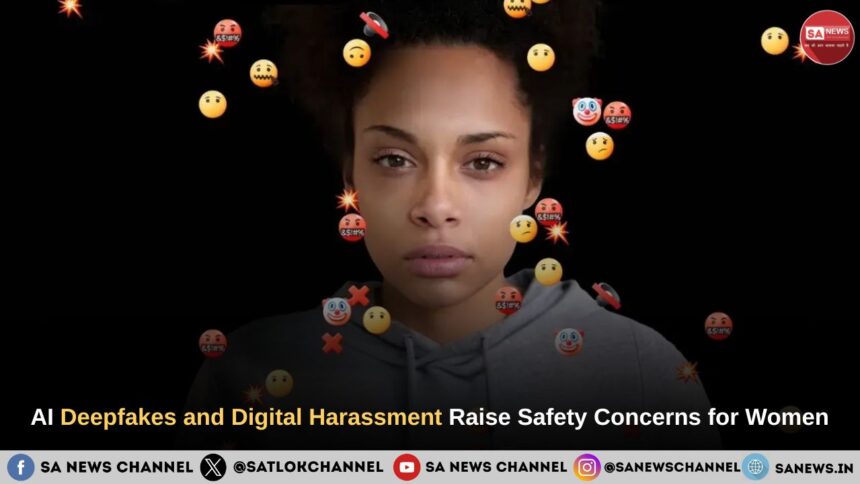
Artificial Intelligence (AI) is increasingly being used in ways that are raising concerns over women’s safety in digital spaces. While AI has helped simplify work across different sectors, reports from across the country show that the same technology is also being misused to create deepfakes, manipulated videos, fake images, and misleading online content targeting women. Marathi actress Girija Oak is among those who have spoken about AI-generated fake content linked to their identity. Experts say the misuse of AI is making online spaces more unsafe for women and expanding the scope of digital harassment.
- Key Takeaways on AI-Based Digital Harassment Against Women
- Growing Concerns Over AI Misuse Against Women
- Deepfakes and Fake Content Becoming a Serious Threat
- Women Identified as Primary Victims in Many Cases
- Impact on Mental Well-Being and Public Participation
- Calls for Responsible AI Use and Stronger Safeguards
- Digital Safety Debate Gains Wider Attention
- Spiritual Values in Digital Conduct
- FAQs on AI-Based Digital Harassment Against Women
Key Takeaways on AI-Based Digital Harassment Against Women
- AI-generated deepfakes targeting women are increasingly being reported.
- Experts say AI tools have made online abuse faster and easier to spread.
- Fake videos, manipulated images, and identity imitation are becoming major concerns.
- Studies indicate that women are among the primary victims of non-consensual deepfake content.
- Experts warn that digital violence is affecting women’s mental well-being, safety, and public participation.
- Concerns are growing over the impact of AI misuse on society and democratic spaces.
- Calls are increasing for responsible AI use, stronger safeguards, and effective digital protection systems.
Growing Concerns Over AI Misuse Against Women
Artificial Intelligence has become a major technological tool across industries, helping improve efficiency and digital access. However, experts and reports are increasingly warning that AI is also being misused for online harassment and digital violence against women.
Reports from different parts of the country have highlighted how AI tools are being used to create deepfake videos, altered photographs, fake audio clips, and misleading online content involving girls and women. Experts say these technologies are making harmful digital content easier to produce and spread at a much larger scale.
The growing availability of AI-based tools has increased concerns over privacy, consent, and online safety, especially for women who are active in public and digital spaces.
Deepfakes and Fake Content Becoming a Serious Threat
Deepfake technology uses Artificial Intelligence to create manipulated videos, images, or audio that appear real. According to experts cited in the report, these tools are increasingly being used to target women through fake visuals and fabricated content.
Marathi actress Girija Oak also spoke about AI-generated deepfake content created using her identity. The report highlighted concerns over how such fake content can damage a person’s reputation and create long-term emotional and social consequences.
Experts explained that AI has made online violence more organised and faster than before. Fake information, altered visuals, and manipulated clips can now be produced within minutes and circulated widely across digital platforms.
Also Read: Beyond the Screen: How Physical AI is Rewriting Reality
Common Forms of AI-Driven Digital Harassment
| Type of Abuse | Description |
| Deepfake Videos | AI-generated fake videos showing manipulated visuals |
| Morphed Images | Edited or fabricated photographs created without consent |
| Identity Imitation | Misuse of a person’s identity through AI-generated content |
| Online Threats | Harassment, intimidation, or digital targeting |
| Digital Stalking | Persistent online tracking or monitoring through digital means |
Experts noted that such misuse goes beyond online trolling and has become a wider issue linked to digital violence.
Women Identified as Primary Victims in Many Cases
Studies referenced in the report found that a significant portion of deepfake content available online is created without consent and that women form the majority of victims in such cases.
Experts warned that AI-based tools are not only being used for fake videos and images but are also contributing to:
- Threats and intimidation
- Online stalking
- Identity manipulation
- Reputation damage
- Misleading digital narratives
According to experts, the rapid spread of manipulated content is increasing risks for women both online and offline. In some cases, digital abuse can create real-world safety concerns and psychological distress.
The report further noted that the misuse of AI is making online spaces increasingly hostile for women and limiting their sense of safety in digital participation.
Impact on Mental Well-Being and Public Participation
Experts stated that the effects of AI-driven digital harassment are not limited to technology platforms alone. The consequences often affect women’s emotional well-being, public image, and confidence in participating openly online.
Manipulated content and false narratives can influence how women are viewed socially and professionally. Experts also warned that repeated digital targeting may discourage women from expressing opinions publicly or participating actively in digital discussions.
Also Read: Wangari Maathai Biography: How One Woman Grew a Global Environmental Movement
According to the report, this form of digital violence is also being viewed as a wider social issue because it can silence voices and reduce participation in public life.
Key Concerns Raised by Experts
- Loss of privacy and consent
- Mental stress caused by fake content
- Damage to professional and personal reputation
- Increased fear of online participation
- Wider impact on social and democratic engagement
Experts emphasised that the issue should not be treated only as a technology-related challenge but also as a matter linked to safety, dignity, and equal participation.
Calls for Responsible AI Use and Stronger Safeguards
The report highlighted growing demands for stronger systems to address the misuse of AI technologies. Experts said governments, technology companies, and society need to work together to ensure safer digital environments for women.
They stressed the importance of creating safeguards that promote responsible AI use while preventing the creation and spread of harmful manipulated content.
The report also suggested that better digital safety systems, awareness measures, and stronger legal protections could help address the growing misuse of AI tools for harassment and online abuse.
Experts believe that ensuring accountability and responsible technology use will become increasingly important as AI tools continue to expand across digital platforms.
Digital Safety Debate Gains Wider Attention
The growing discussion around AI-generated deepfakes and online abuse has brought renewed attention to digital safety concerns affecting women. Experts say the issue reflects broader questions about privacy, consent, and accountability in rapidly evolving digital spaces.
As AI technologies become more accessible, concerns are also increasing about how these tools may continue to affect women’s safety, dignity, and participation online. The debate has highlighted the need for balanced technological development that prioritises responsible use while protecting individuals from digital harm.
Spiritual Values in Digital Conduct
As discussions around AI misuse and digital harassment continue, experts are also highlighting the importance of responsible human behaviour in online spaces. Spiritual teachings that promote truthfulness, dignity, self-control, and respect for others remain relevant in the digital age.
Tatvdarshi Sant Rampal Ji Maharaj also emphasises that a person’s actions, words, and intentions should never cause harm to another individual. His Spiritual Knowledge encourages ethical conduct, peaceful coexistence, and respect for human dignity, values that align with the growing conversation around creating safer and more responsible digital environments.
For more information visit our
Website:www.jagatgururampalji.org
YouTube: Sant Rampal Ji Maharaj
Facebook: Spiritual Leader Saint Rampal Ji
X (Twitter):@SaintRampalJiM
FAQs on AI-Based Digital Harassment Against Women
1. What is AI-based digital harassment?
AI-based digital harassment involves the misuse of Artificial Intelligence to create fake, manipulated, or harmful digital content targeting individuals.
2. What are deepfakes?
Deepfakes are AI-generated videos, images, or audio clips that appear real but are digitally manipulated.
3. Why are women more affected by deepfake content?
Studies cited in the report found that women form a major portion of victims in non-consensual deepfake content online.
4. How can AI misuse affect women offline?
Experts say digital abuse can harm mental well-being, reputation, safety, and public participation beyond online platforms.
5. What solutions are experts suggesting?
Experts recommend stronger safeguards, responsible AI use, digital safety systems, and coordinated action from governments, companies, and society.