

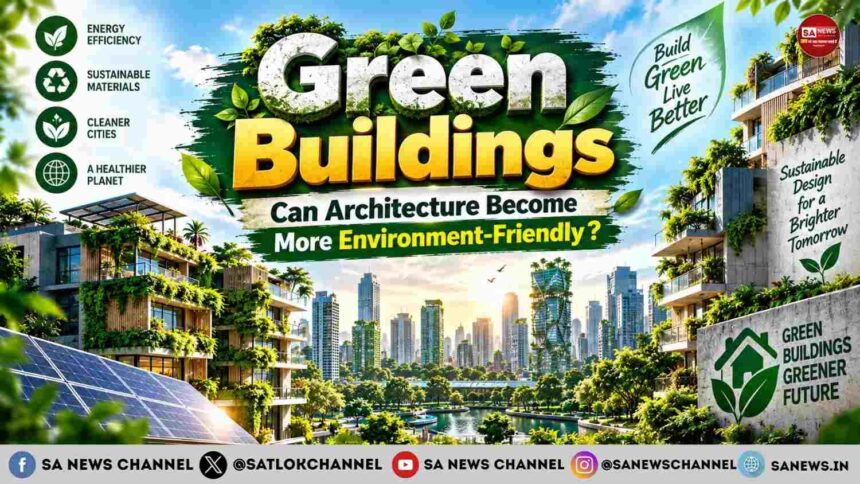
With the cities growing rapidly, buildings are becoming a crucial part of the environmental challenge. Homes, offices, hospitals, schools, and commercial spaces consume energy and water, use natural resources, and generate waste. With this, there is an increased need for green buildings and sustainable architecture which provides comfortable spaces while reducing environmental impact.
- What Are Green Buildings?
- Key Features of Green Buildings
- Renewable Sources
- Natural Light and Ventilation
- Water Management System
- Sustainable and Recycled Materials
- Waste Management Systems
- How Green Architecture Can Reduce Environmental Impact
- Role of Technology in Green Building Design
- Solar Panels and Smart Energy Systems
- Smart Building Management Systems
- Energy-efficient Lighting and Devices
- AI and IoT in Eco-Friendly Architecture
- Advantages of Green Buildings Construction
- Environmental Benefits
- Economic Benefits
- Health and Comfort Benefits
- Long-term Maintenance and Energy Efficiency
- Chalanges to the Development of Green Architecture
- Initial Expense
- Lack of Knowledge
- Making Use of Sustainable Materials
- Specialists in Construction and Modern Approaches
- Importance of Government and Private Sector
- How Can Future Buildings Become More Sustainable?
- Spiritual Wisdom and Sustainable Living
Focussed to provide renewable energy, waste reduction, water conservation, use of sustainable materials, energy efficiency as well as improved indoor environment, green architecture is the need of the hour.
But have you ever thought how architecture can become more environment-friendly? With thoughtful design and responsible technology, buildings can become more efficient while supporting both people and the planet.
What Are Green Buildings?
A green building is built to have minimum effects on the environment during design, construction, operation, and maintenance. This building makes effective use of energy, water, and other resources in an effort to provide a healthy environment for its inhabitants.
Green buildings are planned sustainably considering all aspects of life cycle starting from material choice, construction, operation, and maintenance.
Green Buildings versus Traditional Buildings
While traditional buildings take into account issues related to functionality, appearance, and cost of construction, green buildings address all these issues along with environment- friendly performance.
In simple words, where a traditional building relies primarily on artificial lighting and air conditioning, a green building reduces reliance on such systems through daylighting, ventilation, insulation, shading, and efficient systems.
Key Goals of Green Buildings
Goals of green buildings include reducing energy usage, minimizing waste, lowering water usage, lowering carbon emissions, using sustainable building materials, and improving indoor environmental quality.
Key Features of Green Buildings
Orientation of buildings, insulation, shading, efficient use of windows, and climate-responsive design can reduce the needs for heating and cooling. Good design can provide comfort and at the same time reduce energy consumption.
Renewable Sources
Solar power can provide electricity free from conventional energy sources. The use of renewable energy can be supported with the help of efficient appliances and energy monitoring systems.
Natural Light and Ventilation
Windows, skylights, courtyards, and right building orientation can boost natural light in buildings. Natural ventilation can create good air circulation allowing avoiding mechanical cooling.
Water Management System
Rainwater harvesting, low-flow faucets, efficient irrigation, wastewater treatment, and water reuse can minimize the consumption of freshwater and ensure proper water management.
Sustainable and Recycled Materials
Green buildings can include durable, waste-free, recycled, recyclable, and ethically sourced products. Proper control of material usage can also help reduce the amount of waste generated during the construction.
Waste Management Systems
Segregation of waste, recycling, composting, repurposing, and responsible waste disposal can significantly lower the amount of waste sent to landfills. Advanced construction planning can prevent the processing and waste of materials.
How Green Architecture Can Reduce Environmental Impact
Renewable energy, use of energy-efficient systems and sustainable materials, as well as thoughtful design can lower a building’s carbon footprint. Designing for efficiency from the beginning can provide benefits throughout its life cycle.
Energy and Water Conservation
Using energy-efficient light sources, appliances, air conditioning units, insulation, and smart controls enables people to conserve the necessary quantity of electricity. The installation of water-saving devices as well as harvesting systems is a way to lower consumption of fresh water.
Enhancing Indoor Air Quality
Using natural ventilation methods, humidity management, air filtration, and proper material selection makes it possible to establish a healthy indoor environment. Natural light and ventilation may also make people more comfortable inside.
Decreasing Urban Heat
Concrete and asphalt absorb heat, thus raising temperatures in urban areas. This rising temperature can be lowered with vegetation, trees, green roofs, shaded areas along with the use of reflective materials.
Role of Technology in Green Building Design
Modern and advanced environment- friendly energy appliances help in lowering the energy consumption in green buildings while also providing efficient energy.
Solar Panels and Smart Energy Systems
Solar Panels (Photovoltaic panels) are capable of producing renewable energy. If paired with energy-monitoring technology and effective equipment, they can enhance efficiency of energy in buildings.
Smart Building Management Systems
Smart systems provide monitoring of temperature, presence, lighting, and energy consumption. Automated control systems modify building’s equipment according to the current needs.
Energy-efficient Lighting and Devices
LED technology and efficient devices do not consume so much electricity as their older and inefficient counterparts. Use of such devices helps reduce energy consumption.
AI and IoT in Eco-Friendly Architecture
IoT devices collect information on energy use, temperature, humidity, and presence in a building. AI analyzes this info and contributes to a better work of building.
Advantages of Green Buildings Construction
Environmental Benefits
Equitable construction contributes to decreased energy utilization, reduced water consumption, lesser waste generated, and lower pressure on nature.
Economic Benefits
Though sustainable technologies may involve higher start-up expenses, operational costs may reduce due to lower energy and water consumption over time.
Health and Comfort Benefits
Natural daylight, fresh air, temperature comfort, greenery, and clean indoor air lead to creating a healthier and more pleasant environment to stay in.
Long-term Maintenance and Energy Efficiency
Application of energy-efficient equipment and long-lasting materials leads to reduced maintenance needs and lowered operating costs.
Chalanges to the Development of Green Architecture
While Green Architecture us beneficial to environment in a variety of ways, there are some challanges associated with it.
Initial Expense
The initial cost may be higher because of certain sustainable practices and materials. Nevertheless, the long-run savings in terms of energy and water must be taken into account as well.
Lack of Knowledge
The introduction of green construction technology and materials may slow down due to the low awareness of consumers and developers. Education can lead to more sustainable decisions.
Making Use of Sustainable Materials
The availability of sustainable materials is not the same everywhere. Their use may depend on the price, quality, delivery, and other factors.
Specialists in Construction and Modern Approaches
Green buildings demand that architects, engineers, construction contractors, and technicians possess knowledge of sustainable architecture and contemporary technologies and systems. Effective installation and maintenance should be carried out.
Importance of Government and Private Sector
Governments provide needed laws, regulations, financial support, and knowledge, but it is necessary that developers, architects, businesses, and consumers should also take an active part.
How Can Future Buildings Become More Sustainable?
Future buildings can blend sustainability with technological advancements.
- Architecture that adapts to climate conditions can rely on the surrounding climate for better comfort and energy savings.
- Using renewable energy can allow new buildings to incorporate solar energy and other green technologies.
- Using local and low-carbon materials can lead to less transportation and environmental impact.
- Collecting rainwater for the purposes of conservation can take the form of rainwater harvesting.
- Green roofs and vertical gardens can provide greenery in the urban landscape and help with cooling.
- Smart energy management can rely on sensors to balance the energy use with the actual needs.
You can add this dedicated section after the introduction or before the conclusion:
Spiritual Wisdom and Sustainable Living
Sustainable Living is also viewed through a spiritual perspective. Saint Rampal Ji Maharaj ji highlights the need for disciplined living, responsible conduct, compassion, and avoiding unnecessary consumption.
These values can complement the principles of environmental sustainability by encouraging individuals to think beyond immediate convenience and consider their responsibility toward society and nature. In the context of green buildings, one should also be thoughtful about the aim of human life. This precious human life is the only means to attain Supreme God and to get rid from the cycle of birth and death.
Currently, Saint Rampal Ji Maharaj ji is the only spiritual teacher on this earth who can provide true scripture based worship to end the cycle of birth and death of the follower. For more information, download Saint Rampal Ji Maharaj Application or read sacred book ‘Gyan Ganga’.