



Modern life gives us access to almost everything, but that abundance can sometimes become overwhelming. Our homes collect unused belongings, while our phones fill up with apps, notifications, emails and endless scrolling. This constant clutter can make it harder to concentrate on what actually matters. Minimalism and mental clarity offer a practical way to slow down and regain control. Minimalism is not about living with an empty house or giving away everything you own. It is about intentionally choosing what deserves your time, space and attention. By decluttering both your physical and digital environments, you can create a calmer routine, improve focus and make everyday life feel more manageable.
- What Is Minimalism and Why Does It Matter?
- The Connection Between Clutter and Focus
- Physical Decluttering: Start With Your Environment
- The Hidden Cost of Constant Consumption
- Digital Decluttering: Clean Up Your Digital Life
- Physical clutter is visible.
- 1. Clean Your Smartphone
- 2. Try a Digital Detox
- 3. Reduce Notification Overload
- Stop Treating Every Message as Urgent
- Minimalism Is Also About Your Time
- How Minimalism Can Support Mental Clarity
- A Simple 7-Day Minimalism Challenge
- Minimalism Doesn’t Mean Living Without Joy
- Simplicity Beyond Material Clutter
- FAQs on Minimalism and Mental Clarity
What Is Minimalism and Why Does It Matter?
Minimalism is often misunderstood as simply owning fewer possessions. In reality, minimalist living is more about intentionality.
It encourages us to ask simple questions:
Do I really need this?
Does this add value to my life?
Why am I keeping it?
Is this helping me or distracting me?
Where should I give my attention?
The goal isn’t to create an empty lifestyle. The goal is to remove unnecessary noise so that important things have more room.
This applies not only to physical possessions but also to our digital lives, schedules, relationships with technology and daily commitments.That is where mental clarity becomes important. When your surroundings and routines are overloaded, it can become difficult to decide what deserves your attention. Simplifying them can make everyday decisions easier.
The Connection Between Clutter and Focus
Think about your study table.There are books you no longer use, old papers, cables, stationery, snacks and perhaps your phone sitting beside you with notifications appearing every few minutes.You sit down intending to study for an hour.Ten minutes later, you’re checking a message.Then you notice something on the table.Then you remember an unfinished task.Suddenly, your attention has moved in several directions.The same thing happens digitally.Your smartphone may contain dozens of apps, hundreds of unread notifications, thousands of photographs and multiple social-media accounts competing for your attention.
Research summarized by the American Psychological Association has highlighted the relationship between notification systems, interruptions, attention and perceived productivity. One study discussed by the APA found that batching notifications was associated with improvements in attention, stress, perceived productivity and feelings of control over the phone. This doesn’t mean technology is inherently bad. It means how we use technology matters.
Physical Decluttering: Start With Your Environment
1. Begin With One Small Area
Don’t try to declutter your entire house in one afternoon.
Choose one place:
- A desk
- One cupboard
- A bedside table
- One kitchen shelf
- Your handbag or backpack
Take everything out and divide it into four categories:
Keep, donate, recycle/discard, and undecided.
Starting small makes decluttering feel achievable rather than exhausting.
2. Question Your Purchases
Before buying something new, pause for a few seconds.
Ask yourself:
“Do I need this, or do I simply want it right now?”
This small habit can prevent unnecessary accumulation.
A minimalist lifestyle isn’t only about removing things. It is also about becoming more intentional about what enters your life.
3. Create a Home for Everything
A useful principle of organized living is that frequently used objects should have a designated place.When everything has a home, cleaning becomes easier and searching for things takes less time.
For example:
Keys → one tray
Important documents → one folder
Chargers → one drawer
Daily-use items → easily accessible shelf
Small systems can create surprisingly large improvements in everyday life.
The Hidden Cost of Constant Consumption
We live in a world where buying something new has become incredibly easy. A few taps on a phone can bring clothes, gadgets, decorations and countless other products to our doorstep.The problem isn’t buying something occasionally. The problem begins when consumption becomes automatic.
Advertisements constantly tell us that something newer, bigger or better will make our lives happier. Over time, this can create a cycle of wanting, buying and accumulating.
Conscious consumption breaks this cycle by encouraging us to think before we purchase.
Instead of asking, “Can I afford this?” we can also ask, “Will this genuinely improve my life?”
Digital Decluttering: Clean Up Your Digital Life
Physical clutter is visible.
Digital clutter is often invisible, which makes it easier to ignore.Your phone may contain hundreds of apps, screenshots, old downloads, unnecessary emails and notifications that you haven’t looked at in months.
1. Clean Your Smartphone
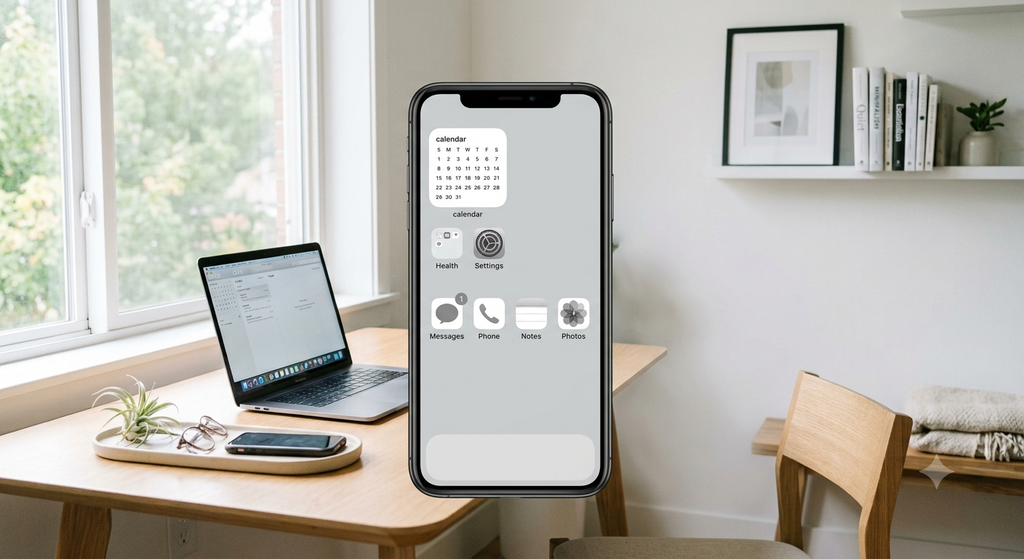
Start with your home screen.Keep only the applications you use regularly.Move rarely used apps into folders or uninstall them if you don’t need them.
You can also:
Delete duplicate photographs
Remove unused apps
Clear old downloads
Unsubscribe from unnecessary emails
Organize important documents
Turn off non-essential notifications
The objective isn’t to become anti-technology.
It is to make your technology work for you instead of constantly competing for your attention.
2. Try a Digital Detox
A digital detox doesn’t necessarily mean spending an entire week without your phone.For most people, that isn’t realistic.
Instead, create small technology-free periods.
3. Reduce Notification Overload
Not every notification deserves your immediate attention.Ask yourself which notifications are genuinely important.
Messages from family or work may be useful. Constant promotional notifications, gaming alerts and social-media updates may not require immediate attention.Turning off unnecessary notifications can help create a more focused environment.
Stop Treating Every Message as Urgent
Modern communication has created an expectation of instant replies.A message arrives, and we immediately feel that we should respond.But not every message requires an immediate answer.Creating specific periods for checking messages can help establish healthier digital boundaries.
You can remain available for genuinely important matters while avoiding the pressure to respond to everything instantly.
Minimalism Is Also About Your Time
Decluttering isn’t limited to objects and screens.Your schedule can also become cluttered.Many people say yes to too many commitments and eventually find themselves constantly busy without feeling productive.
Try reviewing your weekly routine.
Ask:
What activities genuinely matter to me?
What am I doing out of habit?
Which commitments can be reduced?
Where can I create uninterrupted time?
A simpler schedule can create room for deep work, family, exercise, hobbies, rest and reflection.This is an important part of intentional living.Being busy and being productive are not always the same thing.
Also read: The Rise of Cognitive Minimalism: How Over-Automation Is Forcing Humans to Relearn Focus
How Minimalism Can Support Mental Clarity
Minimalism should not be presented as a guaranteed treatment for stress or mental-health conditions. However, creating a more organized and less distracting environment can support healthier routines and make everyday tasks feel more manageable.Here are several potential benefits of decluttering for mental clarity:
Better Focus
Fewer visible and digital distractions can make it easier to direct attention toward one task.
Less Decision Fatigue
When you own fewer unnecessary things and maintain simpler systems, there may be fewer small decisions throughout the day.
More Organized Routines
Knowing where things are and when certain activities happen can make daily life smoother.
Greater Awareness
Minimalism encourages you to think about what you actually value rather than automatically following every trend or impulse.
More Time for Meaningful Activities
When unnecessary tasks and distractions are reduced, you may have more time for family, creativity, learning, exercise or simply resting.
A Simple 7-Day Minimalism Challenge
If you’re not sure where to begin, try this simple decluttering challenge.
Day 1: Clean your work or study desk.
Day 2: Delete unused smartphone apps.
Day 3: Organize your wardrobe and identify unused clothes.
Day 4: Unsubscribe from unnecessary emails.
Day 5: Clean your photographs and downloads folder.
Day 6: Spend one hour without social media.
Day 7: Review your week and identify one habit you want to simplify.
Don’t aim for perfection.
The purpose is to become more conscious of what occupies your physical space, digital space and mental space.
Minimalism Doesn’t Mean Living Without Joy
One of the biggest misconceptions about minimalism is that it requires giving up everything enjoyable.That’s not the point.
- If you love books, keep books.
- If photographs hold precious memories, keep them.
- If cooking equipment helps you enjoy your hobby, there is nothing wrong with owning it.
Minimalism is personal.
The question isn’t:
“How little can I own?”
A better question is:
“What is genuinely valuable to me?”
The answer will be different for everyone.
A family with children will naturally have different needs from a college student. Someone working from home may need more equipment than someone working in an office.
The objective is not comparison.It is a conscious choice.
Simplicity Beyond Material Clutter
Decluttering your environment is just the first step-true peace begins when you declutter the mind. While modern minimalism helps manage physical possessions, the Satgyan (true spiritual knowledge) of Sant Rampal Ji Maharaj reveals that lasting simplicity comes from freeing ourselves from inner vices like ego, greed, and superficial distractions. By practicing devotion to the Supreme Supreme God (Kabir Sahib) under the guidance of a Complete Saint, a person naturally adopts a modest, disciplined way of living free from social evils and material burdens. Integrating this divine wisdom into daily life allows you to quiet mental noise, protect your attention, and make room for what truly matters: spiritual growth, inner peace, and a purpose-driven life.
FAQs on Minimalism and Mental Clarity
1. What is minimalism and mental clarity?
Minimalism and mental clarity refer to simplifying your physical surroundings, digital environment and daily commitments so that you can focus more easily on what is important.
2. How does decluttering improve focus?
Decluttering removes unnecessary visual and digital distractions. A more organized environment can make it easier to concentrate on a specific task without constantly being interrupted by surrounding distractions.
3. What is digital decluttering?
Digital decluttering means organizing your digital environment by removing unused apps, unnecessary files, old photographs, unwanted emails and non-essential notifications.
4. How can I start living a minimalist lifestyle?
Start small. Declutter one drawer, organize your phone, reduce unnecessary purchases and review your daily commitments. Minimalism is a gradual process rather than a one-day transformation.
5. Is minimalism about owning as few things as possible?
No. Minimalism is not necessarily about owning the fewest possessions. It is about being intentional about what you own, use and give your attention to. What is essential will differ from person to person.