


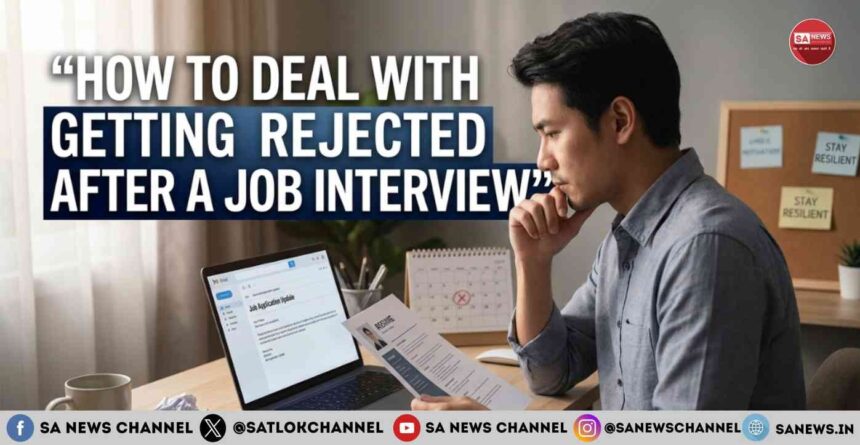
Receiving a rejection letter or hearing “we’ve decided to go with another candidate” is a total bummer. You spend days researching the company, practicing your answers, and dressing up for multiple rounds of interviews, only to get a “no” right at the finish line.
It is completely normal to feel upset, annoyed, or even embarrassed. But getting rejected after a job interview doesn’t mean you are bad at what you do. It is just a normal part of the process. How you handle the next few days is what will help you land your next—and often better—job.
Here is a simple, step-by-step guide on how to process the news, protect your confidence, and use the experience to grow.
Give Yourself a Moment to Chill
Before you go changing your resume or rushing to apply to fifty more jobs, stop and take a breath. Getting rejected hurts, and pretending you don’t care will just make you feel worse later.
- Accept the feelings: It’s fine to be mad or disappointed for a day.
- Don’t make it personal: Avoid thinking things like “I’m terrible at interviews” or “I’ll never get a job.” This is just one interview, not your entire career.
- Remember everyone goes through it: Even top CEOs and successful creators have a long history of being told “no.” You only see their wins, not the rejections it took to get there.
Give yourself 24 hours to vent, play video games, or hang out with friends. Once that day is over, it’s time to switch from being sad to being smart.
Reply Professionally (The 24-Hour Rule)
Even though you got rejected, your relationship with the company isn’t totally over. How you reply to their rejection email shows a lot about your character.
Send a short, polite email back within 24 hours. This keeps you on good terms with them and makes you stand out from people who just ghost the company or get angry.
Why this works:
Things change fast in companies. Sometimes, the person they picked decides to turn down the job, backs out at the last second, or leaves after two weeks. If you were the runner-up and you sent a super nice email, you will be the very first person they call back.
Try using this template:
”Hi [Interviewer’s Name],
Thank you for letting me know about the decision. While I’m disappointed I won’t be joining the team, I really enjoyed talking with you and learning more about [Company Name].
I loved our conversation about [mention one thing you talked about, like a cool project or their social media plans]. Please keep me in mind for any future openings. I’d love to stay in touch!
Best regards,
[Your Name]”
Ask for Feedback
Not every hiring manager has the time to give you feedback, but it never hurts to ask nicely. Learning where you can improve is the best way to get ready for your next interview.
When you ask, don’t sound defensive. Don’t ask, “Why didn’t you pick me?” Instead, ask what you can do better next time.
How to ask:
”If you have a couple of minutes, I would love any quick feedback you have on my interview. I want to make sure I keep strengthening my skills for roles like this in the future.”
Look for clues in what they say:
- Skill gaps: Did they want someone who knows a specific software better?
- Answers: Were your answers too short, or did you talk too much?
- Vibe: Did your personality match how the team likes to work?
If they tell you they wanted someone with more experience in a certain program, great! Now you know exactly what you need to study up on before your next application.
Do Your Own Quick Review
Don’t just wait for them to tell you what went wrong. Sit down with a piece of paper while the interview is still fresh in your mind and ask yourself these questions:
- Preparation: Did I actually research the company, or did I just wing it?
- Examples: Did I share specific stories of things I’ve achieved, or were my answers too vague?
- Storytelling: Did I explain the problem, what I did to fix it, and what the final result was?
- Questions: Did I ask smart questions at the end of the interview to show I was truly interested?
Be honest with yourself, but don’t be mean. Finding the exact moments where you stumbled gives you a perfect practice list for next time.
Realize It’s Often Not Your Fault
One of the biggest secrets about job hunting is that rejection often has nothing to do with you. There are a ton of things happening behind the scenes that you can’t see.
- Internal Hires: Sometimes, a company already knows they want to promote someone who already works there, but HR rules force them to interview outside people anyway.
- Money Problems: Budgets change instantly. A company might suddenly freeze hiring or decide to hire someone with less experience to save money.
- The “Perfect Match” Luck: Another candidate might just happen to have worked at a competitor or used the exact niche tool the company is buying next week. They get a tiny advantage, even if you are just as smart and capable.
When you realize how much of it comes down to luck and timing, the rejection stops feeling so personal.
Get Your Momentum Back
Once you know what to fix, channel that energy into your next move. Don’t let your job search stall out. Treat looking for a job like a school project with daily goals.
- Fix your resume: If you are sending out resumes but never getting an interview, your resume needs work.
- Practice your stories: If you get past the first phone call but always get stuck after the main interview, practice telling your success stories out loud.
- Talk to people: Don’t just click “Apply” on job websites all day. Reach out to people who do the job you want on LinkedIn. Ask them how they got started. A lot of jobs are found through networking, not online portals.
Conclusion: Keep Moving Forward
Getting rejected is just a normal bump in the road. Think of it as practice. Every single interview you do makes you better at talking about your skills, sharper under pressure, and clearer about what kind of place you actually want to work for.
Take the lesson, forget the disappointment, and keep going. Your next great opportunity is out there, and you’ll be way better prepared for it because of what you learned today.