

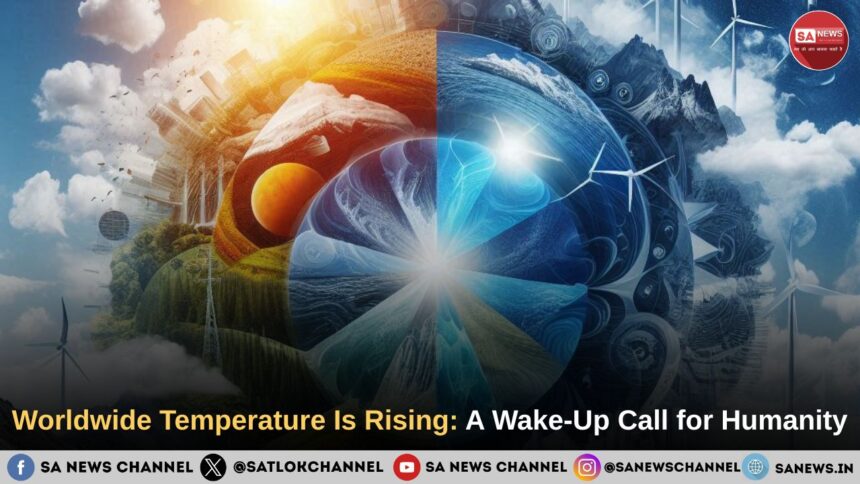
Climate change is one of the most dangerous problems of the twenty-first century. Record-breaking temperatures, extended heatwaves, erratic rainfall, floods, droughts, and wildfires are all being experienced by nations worldwide.
According to scientific reports, human activity has been the primary cause of the Earth’s average temperature rising steadily over the past century. The atmosphere now contains higher levels of greenhouse gases due to the overuse of fossil fuels, deforestation, industrial pollution, and rapid urbanization. The planet gets warmer every year as a result of these gases’ ability to trap heat.
How Rising Temperatures Affect People
Rising temperatures are already having an impact on daily life. Many people experience heatstroke, dehydration, breathing problems, and heart-related illnesses during intense heatwaves. Outdoor workers, children, and the elderly are particularly at risk.
Additionally, agriculture is under strain. Extended dry spells and irregular rainfall lower crop yields, which impact farmers’ earnings and drive up food costs. Access to clean water is becoming more challenging due to the increasing prevalence of water shortages in various areas.
The economy is impacted as well. High temperatures damage infrastructure, lower worker productivity, and increase the demand for electricity.
Also Read- UK Spring Weather Forecast: Arctic Cold Snap Brings Frost Before Temperatures Rebound
What Could Happen in the Future?
Future generations might face even more difficulties if global temperatures keep rising. Melting polar ice and glaciers may pose a threat to coastal cities. The frequency and severity of extreme weather events may increase.
In many nations, food and water security could become major issues. Certain species may become permanently extinct, and wildlife may continue to lose their natural habitats. Climate experts caution that it is much easier to take action now than to deal with the consequences later.
Solutions for a Better Future
One of the best strategies to slow climate change is to reduce greenhouse gas emissions. Renewable energy sources like solar and wind power can be promoted by governments and businesses. Improving energy efficiency, conserving water, reducing waste, and protecting forests can all have a significant impact.
People have a significant role to play as well. Using public transportation, conserving electricity, planting trees, avoiding unnecessary plastic use, and adopting sustainable lifestyles can all contribute to environmental protection.
A Spiritual Perspective
Many people believe that moral principles and a disciplined lifestyle can promote environmental responsibility alongside scientific efforts. Sant Rampal Ji Maharaj’s devotees believe that His teachings encourage a simple, kind, and environmentally responsible way of living.
These teachings advise devotees to follow a vegetarian lifestyle, abstain from using leather products, avoid setting off firecrackers, and practice self-control and cleanliness. These practices can promote more environmentally friendly behaviour and lessen pollution.
Deshi Ghee Jyoti (Havan), which is performed during the Samagam, is believed by devotees to improve the environment and foster a spiritually uplifting atmosphere. This belief is based on faith and is not supported by independent scientific evidence.
Spiritual Contribution Towards Environmental Protection
Sant Rampal Ji Maharaj teaches His followers to adopt a simple and nature-friendly lifestyle. According to His teachings, devotees are advised not to burst firecrackers during festivals and celebrations. This practice can help reduce air pollution, noise pollution, and the release of harmful chemicals into the atmosphere while also protecting birds, animals, and people from the harmful effects of excessive noise and smoke.
Sant Rampal Ji Maharaj believes these practices contribute positively to environmental conservation. However, their broader environmental impact depends on how widely they are adopted and has not been independently established through scientific studies. Nevertheless, these teachings can complement scientifically supported measures such as reducing emissions, conserving natural resources, and protecting forests in the collective effort to address climate change.
Global warming is a problem that calls for cooperation. Reducing emissions, preserving forests, and implementing clean energy are examples of scientific solutions that remain essential. At the same time, values that promote empathy, responsible consumption, and respect for the natural world can inspire individuals to make environmentally friendly choices. A cleaner, healthier, and more sustainable future for future generations can be achieved by combining positive human values with practical environmental action.
Frequently Asked Questions (FAQs) on Rising temperature
Q1. Why is the worldwide temperature rising?
Worldwide temperatures are rising mainly because of human activities such as burning fossil fuels, deforestation, industrial pollution, and rapid urbanization. These actions increase greenhouse gases in the atmosphere, which trap heat and warm the planet.
Q2. How do rising temperatures affect human health?
Rising temperatures can cause dehydration, heatstroke, breathing problems, and heart-related illnesses. Children, elderly people, and outdoor workers are especially at risk during extreme heatwaves.
Q3. What impact does climate change have on agriculture?
Climate change affects agriculture by causing irregular rainfall, droughts, and water shortages. These conditions reduce crop production, lower farmers’ incomes, and can lead to higher food prices.
Q4. What future risks could occur if temperatures continue to rise?
If temperatures keep increasing, coastal cities may face rising sea levels, extreme weather events may become more frequent, and wildlife may lose their natural habitats. Food and water security could also become major concerns.
Q5. What can governments and industries do to reduce global warming?
Governments and industries can reduce greenhouse gas emissions by investing in renewable energy, improving energy efficiency, reducing waste, and promoting cleaner technologies.