


World’s Most Dangerous and Deadliest Places on Earth: Somewhere on this planet, a person is fleeing a city torn apart by cartel warfare. Somewhere else, a traveller unknowingly steps toward a lake whose waters can dissolve skin within minutes. The world is breathtakingly beautiful, but it is also, in certain corners, ruthlessly deadly. The most dangerous places in the world share one common trait: the forces at work there, whether human or natural, operate with little mercy and even less warning.
- What Makes a Place Truly Dangerous?
- The World’s Most Dangerous War Zones and Conflict Nations
- Afghanistan: Decades of War With No End in Sight
- Yemen: Famine Used as a Weapon of War
- Syria: A Nation Shattered by Civil War
- The Democratic Republic of Congo: A Mineral Curse
- Somalia: Al-Shabaab’s Stranglehold
- The World’s Most Violent Cities: Where Streets Become Battlegrounds
- Tijuana, Mexico: The Cartel Crossroads
- Caracas, Venezuela: Where Economic Collapse Breeds Murder
- Johannesburg and South Africa’s Crime Cities
- Haiti: Where Gangs Govern the Capital
- Earth’s Deadliest Natural Places: Where Nature Itself Is the Threat
- Snake Island, Brazil: The World’s Most Venomous Square Kilometre
- Lake Natron, Tanzania: The Calcifying Killer
- The Danakil Desert, Ethiopia: Gateway to Hell
- Death Valley, USA: Earth’s Hottest Inhabited Place
- The Skeleton Coast, Namibia: Named After Its Victims
- Oymyakon, Russia: Where Cold Becomes a Physical Assault
- North Sentinel Island: Forbidden by Its Own Inhabitants
- The Common Architecture of Danger
- A Reflection on Safety, Fragility, and the Deeper Search for Peace
Danger on earth takes two distinct forms. The first is human-made: war, organised crime, political collapse, and the violence that festers where poverty and inequality meet weak governance. The second is geological and environmental: toxic lakes, volcanic deserts, predator-infested islands, and frozen wastelands where surviving a single night is not guaranteed. This guide covers both. It is not a travel bucket list. It is a definitive map of where the earth is most willing to kill you.
What Makes a Place Truly Dangerous?
Not all risk is equal, and understanding the layers of danger matters before naming specific locations. Dangerous places generally fall into three categories: zones of active armed conflict, where military operations and terrorist attacks claim civilian lives; high-crime urban environments, where organised crime, drug trafficking, and gang violence make basic movement life-threatening; and extreme natural environments, where geography, chemistry, and climate create conditions the human body simply cannot withstand.
The most lethal locations on earth typically combine more than one of these categories. A conflict zone with no food security and a collapsing health system is orders of magnitude deadlier than a place that is merely politically unstable. Similarly, a remote desert is far more dangerous when political instability blocks rescue operations.
The World’s Most Dangerous War Zones and Conflict Nations
Afghanistan: Decades of War With No End in Sight
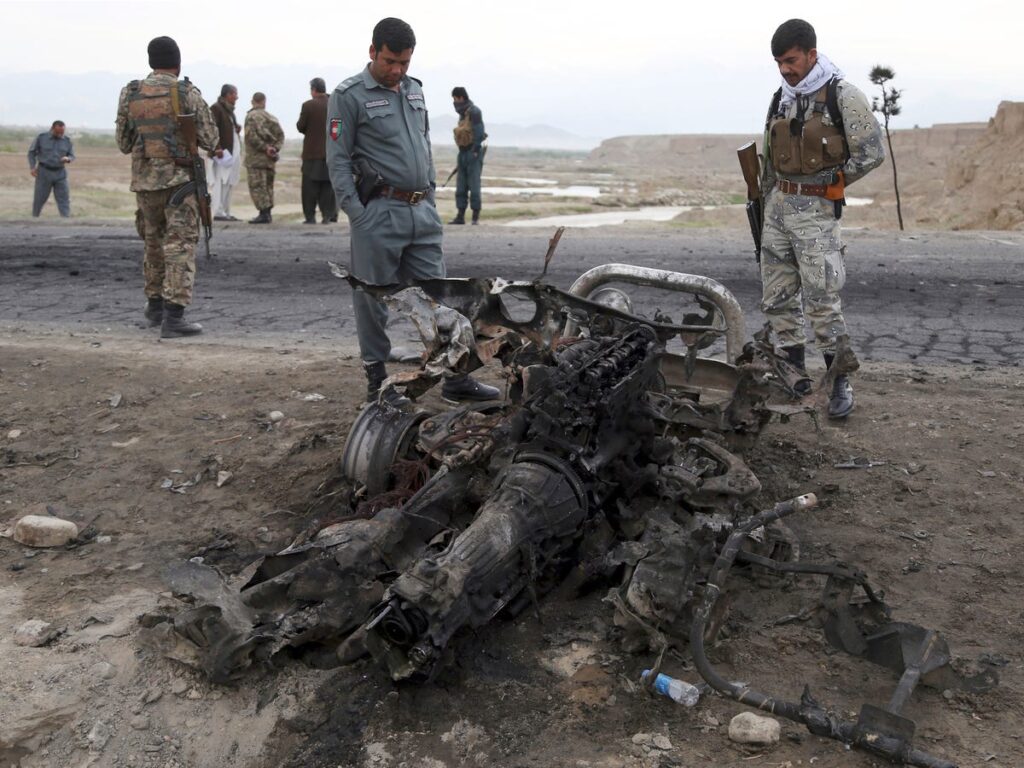
Few places have earned their dangerous reputation through such persistent and grinding devastation as Afghanistan. Afghanistan remains one of the most dangerous countries in the world, reflecting decades of conflict that continue to shape everyday life. While large-scale fighting has ebbed and flowed, the country still struggles with deep instability, weak institutions, and heavy militarisation.
Courtesy: Business Insider
The country has endured Soviet invasion, civil war, Taliban rule, a two-decade NATO military presence, and a return to Taliban governance, each era layering fresh trauma onto the one before. Beyond the political danger, the humanitarian collapse is staggering. Millions of Afghans have been forced from their homes, and most of the population relies on humanitarian aid just to survive. Ongoing fighting, political instability, and food insecurity have left large parts of the country struggling with hunger, disease, and limited access to basic services.
Yemen: Famine Used as a Weapon of War
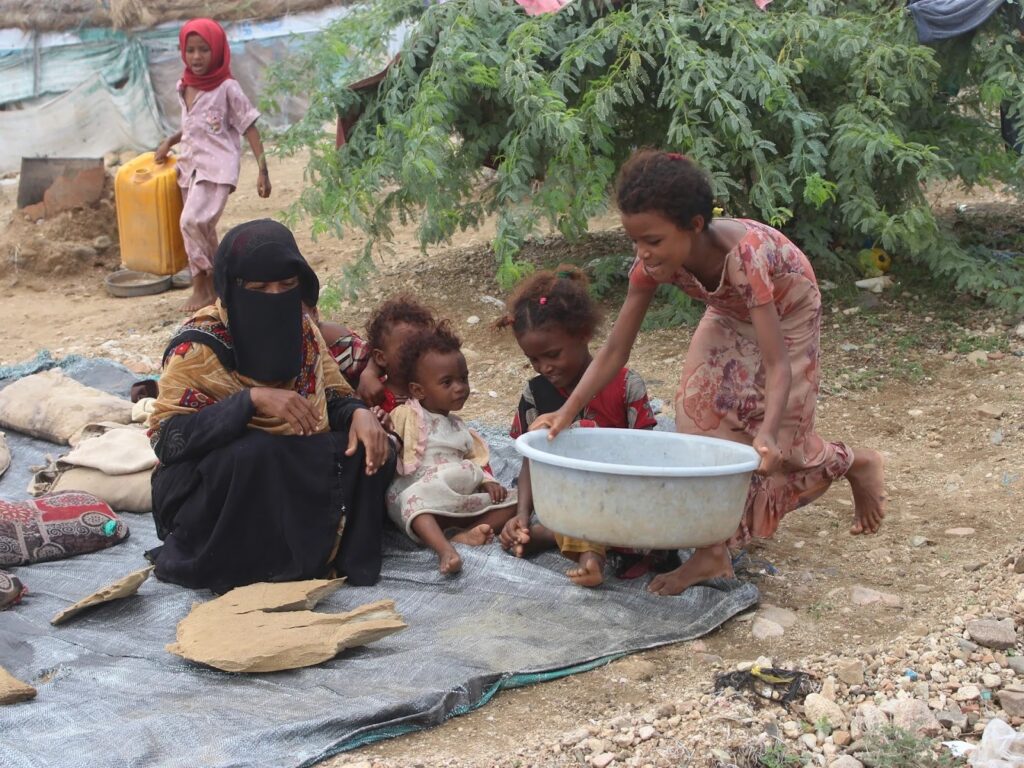
Yemen remains one of the most dangerous countries in the world, driven by years of war that continue to devastate daily life. The Yemeni civil war drew in regional powers, turned cities into rubble, and created one of the worst humanitarian crises ever recorded.
Courtesy: Al Jazeera
Famine, cholera outbreaks, and constant aerial bombardment have made life in large swaths of the country almost unendurable. Hospitals have been bombed. Water systems have been destroyed. What makes Yemen particularly tragic is that its danger is not random: it is organised, systematic, and deeply political.
Syria: A Nation Shattered by Civil War
Syria has been a consistent target for terrorist attacks and wars since the civil conflict began, and ongoing violent conflicts, the threat of terrorism, and severe crimes such as kidnapping and armed robbery pose a serious risk to locals and tourists alike.
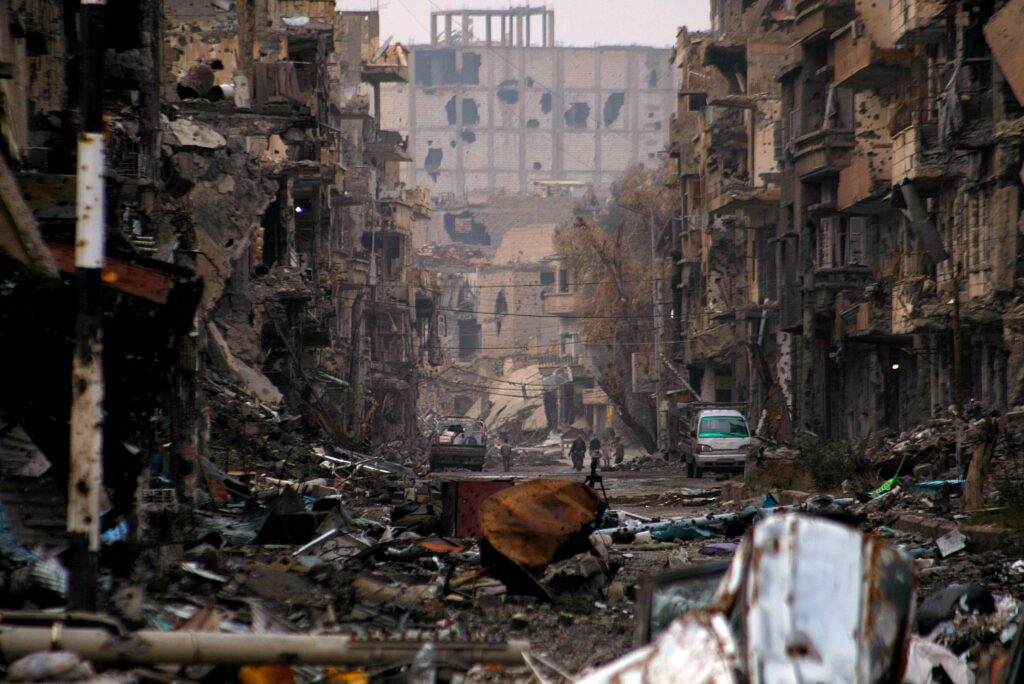
Entire cities that once represented the cradle of human civilisation, including the ancient metropolis of Aleppo, were reduced to rubble during years of siege, bombardment, and street-by-street combat. Millions of Syrians remain displaced either within the country or abroad, and basic services and security are unreliable outside a few tightly controlled areas.
The Democratic Republic of Congo: A Mineral Curse
The Democratic Republic of the Congo remains engulfed in conflict, particularly in its eastern provinces. Numerous armed groups control or contest parts of the east, leading to chronic violence. The DRC’s vast mineral wealth, including coltan, gold, and diamonds, has paradoxically made it one of the poorest and most violent nations on earth.
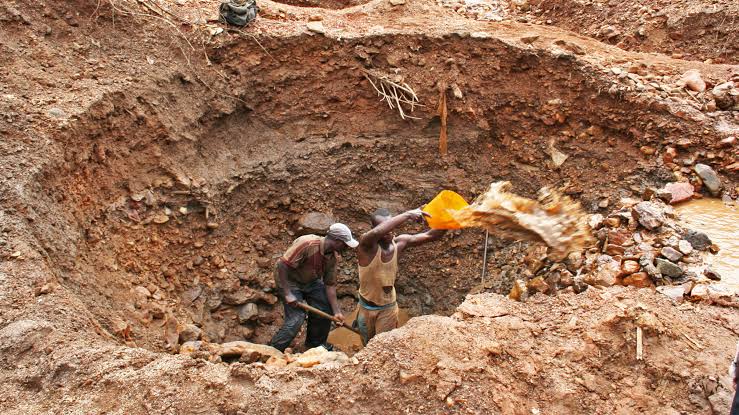
Courtesy: Mongabay
Every armed group in the east finances itself through mine control, and civilians pay the price in mass displacement, sexual violence, and massacres. The DRC regularly ranks on the Global Peace Index as one of the most dangerous countries due to armed conflict and crime.
Somalia: Al-Shabaab’s Stranglehold
Somalia has been embroiled in conflict for decades and remains extremely dangerous due to the ongoing Al-Shabaab insurgency. Al-Shabaab, Al-Qaeda’s East African affiliate, controls large swathes of southern Somalia and regularly bombs the capital Mogadishu and other towns, with the militant group conducting frequent suicide bombings and coordinated assaults. Somalia also faces the compounding threats of piracy in its coastal waters, clan-based violence in the interior, and recurrent drought and famine across the south.
Read More : World War 2: Unknown Facts About World War II
The World’s Most Violent Cities: Where Streets Become Battlegrounds
Urban danger concentrates risk in ways that rural conflict zones sometimes do not. High-density populations, competition over drug trade routes, and deeply entrenched inequality make certain cities chronically and catastrophically violent.
Tijuana, Mexico: The Cartel Crossroads
Tijuana records approximately 138 homicides per 100,000 residents, with nearly seven people killed every day. The city is marked by poverty and violent crime including rape, homicide, and kidnapping. The primary drivers are human trafficking and drug trade networks run by rival gangs, and a fierce rivalry between the Sinaloa and Tijuana cartels. The city’s position on the US-Mexico border makes it a high-stakes battleground for control of smuggling corridors that stretch into the American market.
Caracas, Venezuela: Where Economic Collapse Breeds Murder
Venezuela’s capital is considered one of the most dangerous in the world due to high crime rates. Violent crime, corruption, kidnapping, and civil unrest are widespread. Burglary, armed robbery, and carjacking are common. Wrongful detention, poor health infrastructure, and the threat of terrorism further impact the city’s safety. Venezuela’s economic collapse, one of the most severe outside active wartime in modern history, destroyed the middle class and emptied the institutions that once kept violence in check.
Johannesburg and South Africa’s Crime Cities
Johannesburg is one of the deadliest cities in the world, where displaying wealth openly can lead directly to kidnapping, making armoured vehicles and large group travel necessary precautions for some residents. South Africa’s violent crime crisis is rooted in extreme inequality: the country is among the most unequal societies on earth by the Gini coefficient, and that inequality expresses itself directly in organised crime, carjacking networks, and gang-controlled townships.
| Location | Primary Threat | Key Risk Factor |
| Tijuana, Mexico | Cartel warfare | Drug and human trafficking routes |
| Caracas, Venezuela | Gang violence, kidnapping | Economic collapse, weak law enforcement |
| Johannesburg, South Africa | Armed robbery, carjacking | Extreme income inequality |
| Mogadishu, Somalia | Terrorism, bombings | Al-Shabaab insurgency |
| Port-au-Prince, Haiti | Gang control of city | Political collapse, gang impunity |
| San Pedro Sula, Honduras | Organised crime | Drug trafficking, gang recruitment |
Haiti: Where Gangs Govern the Capital
Port Moresby is considered one of the most dangerous cities due to gang violence and high crime rates. But Haiti’s capital, Port-au-Prince, represents a different order of danger entirely. Haiti is an extremely dangerous place because natural defences have degraded, the economy is not stable enough to support warning systems or flood defences, and the country is subject to repeated cycles of natural disaster and political implosion. Gangs now control the majority of the capital and have used that control to halt elections, assassinate leaders, and extract extortion payments from ordinary citizens simply trying to move through the city.
Earth’s Deadliest Natural Places: Where Nature Itself Is the Threat
Human violence is comprehensible, even if horrifying. Nature’s deadliest places operate on a different register: indifferent, ancient, and utterly immune to negotiation.
Snake Island, Brazil: The World’s Most Venomous Square Kilometre
Ilha da Queimada Grande, known as Snake Island, is infested with golden lancehead vipers, one of the deadliest snakes in the world. The island is so dangerous that the Brazilian navy prohibits access without special government permission.
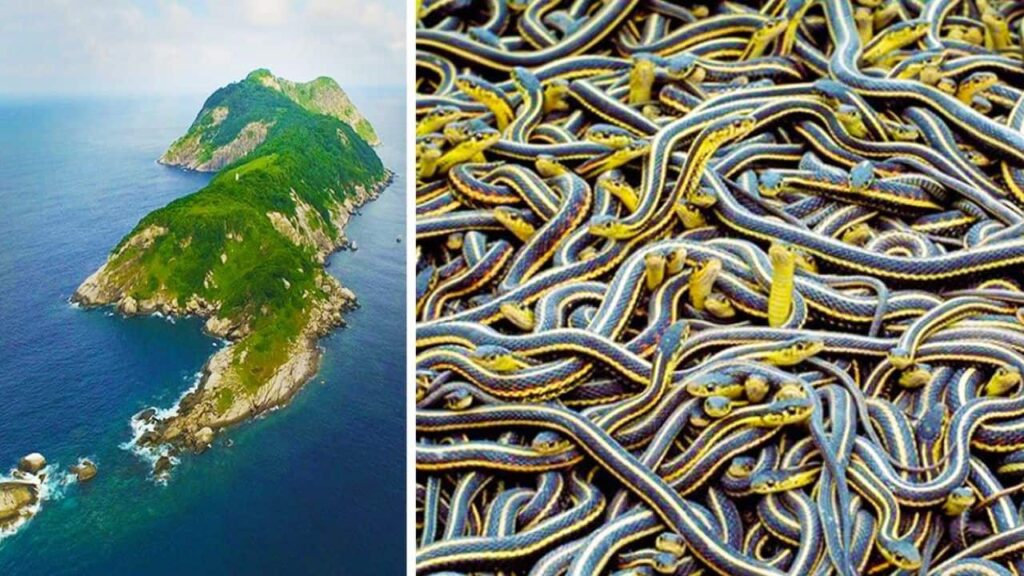
Courtesy: Moneycontrol
The golden lancehead evolved in isolation on this island off the São Paulo coast, developing a venom five times more potent than that of its mainland relatives. Its haemotoxic bite causes tissue to liquefy from the inside. Local legend holds that the last fisherman who accidentally landed there was found dead in his boat days later, covered in snake bites. There are no security solutions that protect against its natural hazards.
Lake Natron, Tanzania: The Calcifying Killer
Lake Natron has deadly waters that can reach temperatures of up to 60°C (140°F). With a pH between 9 and 10.5, this lake is over-saturated with salt. Its chemical composition is so extreme that it can calcify dead bodies, burn the skin of animals and humans, and strip ink off printed materials.
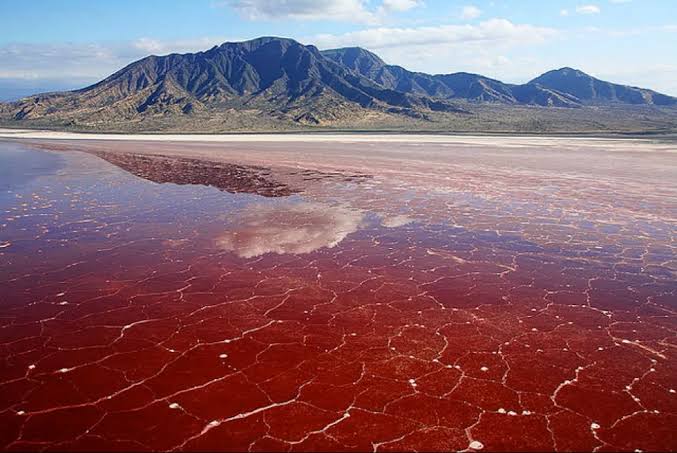
Courtesy: Geology Science
The lake’s vivid crimson colouration comes from heat-adapted microorganisms thriving in conditions that no vertebrate can survive. Paradoxically, millions of Lesser Flamingos breed on its toxic flats, exploiting the very deadliness that keeps predators away.
The Danakil Desert, Ethiopia: Gateway to Hell
One of the most uninhabited environments in the world, the Danakil Desert in East Africa combines extreme heat with active volcanic fields, toxic gas emissions, and sulphurous acid pools that bubble at the earth’s surface.
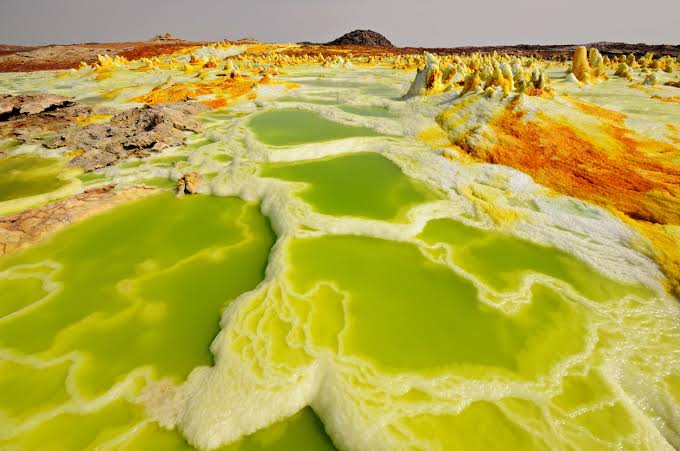
Courtesy: CNBC
Temperatures regularly exceed 50°C, and the landscape itself, with its neon-yellow sulphur chimneys and bubbling lava lakes, looks less like earth and more like a dying planet. Political instability in the surrounding region adds a human layer of risk on top of the geological one.
Read More : NASA’s James Webb Telescope’s New Astronomy Image Reveals Universe’s Hidden Wonders
Death Valley, USA: Earth’s Hottest Inhabited Place
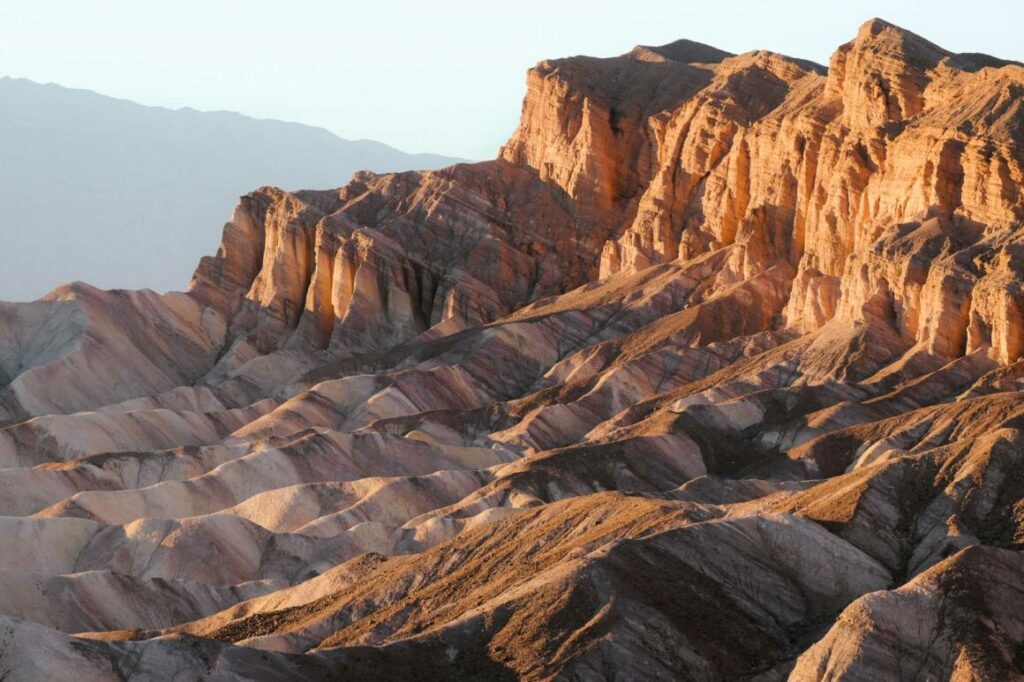
Death Valley is one of the hottest places on earth, with temperatures reaching over 134°F (56°C), making it a dangerous place for unprepared visitors. The extreme heat and harsh climate make this national park both stunning and treacherous.
Courtesy: Smile4Travel
Dehydration and heat stroke progress to organ failure with terrifying speed at peak summer temperatures. The valley’s name was given by a party of settlers who believed they were walking to their deaths crossing it, a belief that was nearly self-fulfilling.
The Skeleton Coast, Namibia: Named After Its Victims
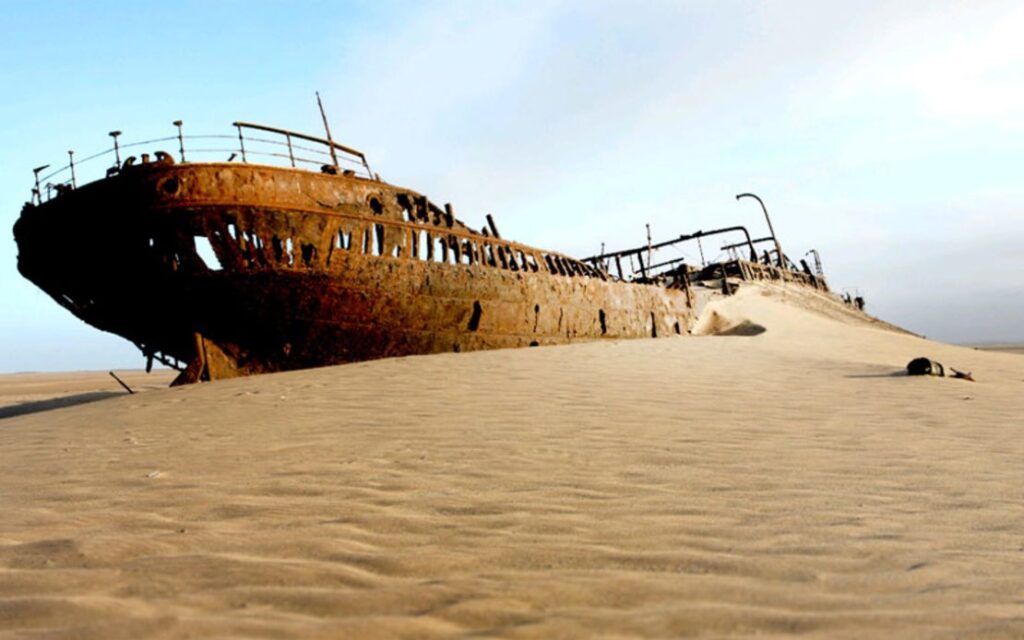
The Skeleton Coast stretches along the Atlantic Coast of Namibia, deriving its name from the skeletal remains of whales and seals scattered all along the coastline. Many shipwrecked sailors and others have lost their lives here due to the harshness of the local environment.
Courtesy: CNN
The cold Benguela Current meets blazing Namib Desert winds to produce perpetual fog that disorients navigation. Any vessel that runs aground here faces no possibility of resupply. Rescue attempts have historically ended with more deaths. The coast is not merely remote; it is actively hostile to human survival.
Oymyakon, Russia: Where Cold Becomes a Physical Assault
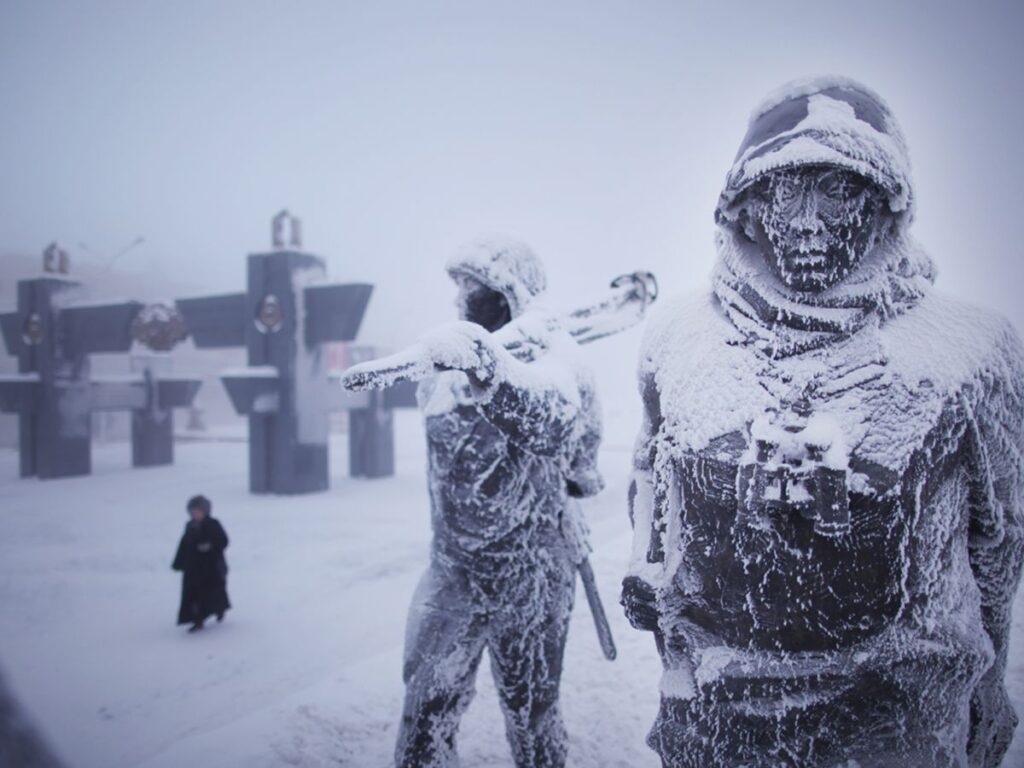
Located thousands of miles towards the east of Moscow in the heart of Siberia, the village of Oymyakon holds one of the most extreme cold environments inhabited by humans on earth.
Courtesy: WIRED
Temperatures have been recorded at nearly -68°C (-90°F). Exposed skin freezes in seconds. Engines left idle for even a short period will not restart. Crops cannot grow in the permafrost, and the water supply relies on a single hot spring. Yet people have lived here for generations, a testament to human adaptation that borders on the superhuman.
North Sentinel Island: Forbidden by Its Own Inhabitants
North Sentinel Island in the Bay of Bengal is home to the Sentinelese, an Indigenous tribe that resists all contact with outsiders. Visiting is both illegal and dangerous. The island has no tourist areas or public security, and previous intrusions have ended in violence. For the Sentinelese, isolation is rational self-preservation: outside contact would expose a population with no immunity to common diseases. For any visitor, the danger is immediate and physical. The Indian government prohibits approach within several nautical miles.
The Common Architecture of Danger
Across every category of the most dangerous places in the world, certain patterns repeat. Poverty and inequality create the conditions for violence by leaving large populations without legitimate economic pathways. Governance failures remove the institutions that channel social conflict into law rather than bloodshed. Geographic and geological extremes punish ignorance and underpreparedness without distinction.
Understanding these patterns matters not just for travellers making safety decisions, but for policymakers, humanitarian workers, and anyone who believes that danger should be reduced rather than simply avoided. The deadliest places on earth are not inevitable. They are the product of choices: political choices, economic choices, and sometimes the simple human choice to ignore a warning that nature placed in plain sight.
A Reflection on Safety, Fragility, and the Deeper Search for Peace
The world’s most dangerous and deadliest places hold up a mirror to the fragility of human life. A city can collapse into anarchy within months. A body of water can dissolve living tissue with the same chemical indifference it dissolves rock. A frozen silence can kill a person simply by being itself.
These realities invite not fear but reflection: on what gives life meaning, on what truly protects us, and on whether the safety we seek is only physical or something deeper. Many of the world’s great thinkers have pointed to an inner peace that no geography can touch and no conflict can destroy. For those moved to explore this dimension, the profound teachings found in “Gyan Ganga“ and “Way of Living” by Saint Rampal Ji Maharaj offer a path to that lasting security, a peace the most dangerous places on earth simply cannot reach.