


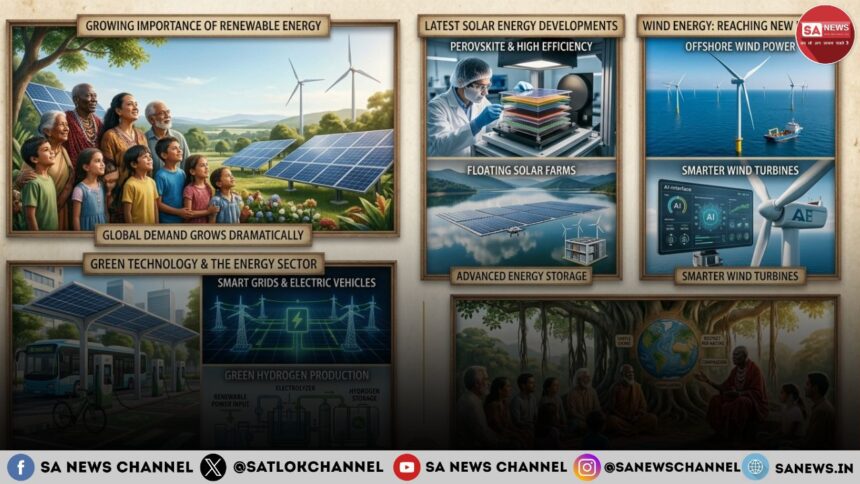
Renewable energy is no longer just an alternative-it is the primary force driving the global transition toward sustainability. Governments, industries, and individuals are investing heavily in solar power, wind energy, and cutting-edge green technologies to combat climate change and reduce carbon emissions. Rapid technological advancements have dramatically improved energy efficiency, slashed production costs, and made clean power more accessible than ever.
Major Solar Energy Innovations
Solar power remains at the forefront of clean energy expansion, driven by three major breakthroughs:
- High-Efficiency Solar Cells: Next-generation photovoltaic materials, particularly perovskite solar cells, allow panels to absorb more sunlight and convert it into electricity with unprecedented efficiency while keeping manufacturing costs low.
- Floating Solar Farms (“Floatovoltaics”): Ideal for regions facing land shortages, solar arrays are increasingly deployed on reservoirs, lakes, and dams. This approach saves land, reduces water evaporation, and keeps panels cool to optimize efficiency.
- Advanced Battery Storage: The development of solid-state and high-capacity lithium-ion batteries addresses solar power’s intermittency. Homes and grid operators can now store excess daytime power for seamless nighttime use.
Also Read: How Does a Solar Panel Generate Electricity?
Wind Power: Smarter and Offshore
Wind energy has reached new heights through larger infrastructure and digital intelligence:
- Offshore Wind Farms: Building turbines off coastal lines unlocks stronger, more consistent ocean winds. Floating offshore platforms now allow installations in deeper waters, generating massive amounts of clean electricity with minimal land impact.
- AI-Optimized Turbines: Modern wind turbines use Artificial Intelligence and real-time sensors to predict weather patterns, adjust blade angles automatically, and detect mechanical faults before failures occur.
Green Tech & The Modern Grid
Generating clean energy is only half the equation; distributing and utilizing it effectively requires modern infrastructure:
- Smart Grids: Digital communication systems dynamically balance electricity supply and demand, drastically reducing energy loss during transmission.
- Electric Vehicles (EVs): The rapid adoption of EVs, increasingly charged via renewable microgrids, is aggressively decarbonizing the transportation sector.
- Green Hydrogen: Produced using renewable electricity to split water molecules, green hydrogen provides a zero-emission fuel source for heavy industries like steel manufacturing, aviation, and shipping.
| Key Sector | Major Innovation | Primary Environmental Benefit |
| Solar Energy | Perovskite cells & Floatovoltaics | Higher energy yield with minimal land use |
| Wind Energy | Deep-water offshore turbines | Captures stronger, continuous wind power |
| Grid Tech | AI-driven Smart Grids | Reduces distribution losses and outages |
| Industry | Green Hydrogen | Decarbonizes heavy manufacturing and shipping |
Economic and Environmental Impact
The global shift to clean energy yields massive benefits across multiple sectors:
- Job Creation: Millions of new jobs are emerging in solar manufacturing, turbine installation, system maintenance, and green tech research.
- Lower Energy Costs: In many parts of the world, building new solar or wind facilities is now significantly cheaper than running existing fossil fuel plants.
- Energy Independence: By tapping into domestic natural resources, nations can reduce their reliance on imported fossil fuels and stabilize national energy security.
Also Read: China Desert Solar Farms: Clean Energy Reviving Barren Landscapes
Overcoming Current Challenges
Despite rapid momentum, key obstacles remain. Intermittent supply from weather dependency requires larger investments in battery capacity. Furthermore, expanding green tech calls for modernized grid infrastructure and high initial capital investments. However, declining equipment costs and supportive global policies continue to bridge these gaps.
The Role of Spiritual and Human Values
Scientific advancements in renewable energy demonstrate humanity’s growing awareness of protecting nature. While technologies such as solar panels, wind turbines, and green hydrogen can reduce pollution and conserve natural resources, lasting environmental harmony also depends on human values.
According to the teachings of Sant Rampal Ji Maharaj, nature is a precious creation of the Supreme God and should be respected rather than exploited. He emphasizes living a simple, ethical, and disciplined life, avoiding unnecessary consumption, violence, and harmful addictions that contribute to environmental degradation. His spiritual guidance encourages compassion toward all living beings, responsible use of resources, and harmony with nature.
As society embraces renewable energy and sustainable technologies, combining scientific progress with moral and spiritual values can help create a cleaner, healthier, and more peaceful world for future generations.
FAQs on Renewable Energy Developments
1. What are the latest developments in renewable energy?
Recent developments include high-efficiency solar panels, offshore wind farms, green hydrogen production, AI-powered smart grids, and advanced battery storage technologies.
2. Why is solar energy becoming more popular?
Solar energy has become more affordable, efficient, and accessible due to improved technology, lower installation costs, and government incentives.
3. How does wind energy help reduce climate change?
Wind energy generates electricity without burning fossil fuels, significantly reducing greenhouse gas emissions and air pollution.
4. What is green technology?
Green technology refers to environmentally friendly innovations that improve energy efficiency, reduce pollution, conserve natural resources, and support sustainable development.
5. What role can individuals play in promoting renewable energy?
Individuals can install solar panels, conserve electricity, use energy-efficient appliances, choose electric vehicles, reduce waste, and support sustainable practices to contribute to a greener future.