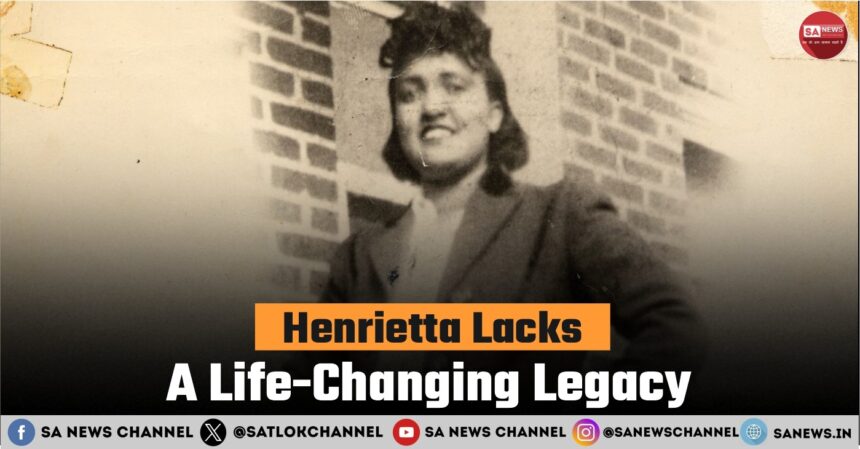
The story of Henrietta Lacks is very inspiring. Her life, though short, has changed medicine a lot. It keeps helping science today.
- The Woman Behind the Cells
- The Discovery of HeLa Cells
- The Scientific Revolution of HeLa Cells
- Medical Breakthroughs Powered by Henrietta Lacks
- The Lacks Family’s Journey
- Ethical Controversies and Considerations
- Henrietta Lacks: From Anonymity to Global Recognition
- Henrietta Lacks in Modern Medicine
- Recognition and Honors for an Unsung Hero
- Conclusion: The Enduring Legacy of Henrietta Lacks
- FAQ
- Who was Henrietta Lacks?
- What are HeLa cells?
- Why are HeLa cells important?
- How did Henrietta Lacks’ cells contribute to medical research?
- What is the controversy surrounding Henrietta Lacks’ cells?
- How has Henrietta Lacks been recognized for her contributions?
- What is the legacy of Henrietta Lacks?
- How are HeLa cells being used today?
Her cells, taken without her knowing, helped make many medical wins. This includes vaccines and treatments for diseases. Henrietta Lacks‘ story shows how human cells can help us learn about health and sickness.
Key Takeaways
- The life of Henrietta Lacks has significantly impacted medical research.
- Her cells have contributed to numerous scientific breakthroughs.
- The story of Henrietta Lacks raises important ethical considerations.
- Henrietta Lacks’ legacy continues to inspire new generations.
- Her contributions to science are a lasting tribute to her memory.
The Woman Behind the Cells
Henrietta Lacks was born in the early 1900s. Her life was short but made a big impact on medicine. We need to know about her early life and her medical treatment.
Early Life and Family
Henrietta Lacks was born on the 1st of August, 1920, in Roanoke, Virginia. Her life was hard and she moved a lot.
Childhood in Virginia
Henrietta grew up in Virginia. She was raised by her grandfather after her mom died. She was strong and brave, like her family.
Marriage and Children
Henrietta married her cousin, David Lacks. They had five biological children: Lawrence, Elsie, David Jr. (commonly known as Sonny), Deborah, and Joseph, who subsequently adopted the name Zakariyya..
Diagnosis and Treatment at Johns Hopkins
In 1951, Henrietta received a diagnosis of cervical cancer at Johns Hopkins Hospital. This led to the discovery of the HeLa cells.
The Discovery of Her Cancer
Henrietta’s cancer diagnosis changed her life. Her treatment was new and important. It helped create the immortal cell line named after her.
Medical Care in the 1950s
In the 1950s, cancer treatment was changing fast. Henrietta’s care at Johns Hopkins was key. It helped develop new cancer treatments.
The Discovery of HeLa Cells
Dr. George Gey worked hard in 1951. He found a way to grow cells from Henrietta Lacks’ cancer. This started a big change in cell biology.
Dr. George Gey’s Research
Dr. Gey wanted human cells for science. He worked at Johns Hopkins University. He looked for cells that could live outside the body.
The Search for Immortal Cells
Finding immortal cells was important. Dr. Gey wanted cells that could keep growing. HeLa cells were the first to do this, helping science a lot.
The Unique Properties of Henrietta’s Cells
Henrietta’s cells were special. They could keep growing forever. This was different from other cells.
Why Her Cells Were Different
HeLa cells were special because they were cancerous. They had HPV, which helped them grow forever. This made them very useful for science.
HeLa cells changed medicine a lot. They gave scientists a steady source of human cells. This helped in many ways, like fighting cancer and making vaccines.
The Scientific Revolution of HeLa Cells
HeLa cells changed cell biology forever. They gave scientists a powerful tool for research. This change has helped us understand health and disease better.
First Immortal Human Cell Line
HeLa cells were the first human cells to live forever in labs. This was a big step in cell biology. Henrietta Lacks’ cells were special because they could grow a lot.
Breaking Scientific Boundaries
HeLa cells let scientists do new things. They helped us learn more about cells and diseases. These cells have helped us study many things, like cancer and genes.
Mass Production and Distribution
Scientists found ways to make and share HeLa cells easily. This helped labs all over the world use them. It made research faster and better.
How HeLa Cells Spread Worldwide
HeLa cells went to labs everywhere. They were shared through special places and companies. This has helped science a lot. Henrietta Lacks’ cells are very important for science today.
Medical Breakthroughs Powered by Henrietta Lacks
Henrietta Lacks’ cells have changed medical research a lot. They have led to many big discoveries. Her cells are key in many health fields.
Polio Vaccine Development
Henrietta Lacks’ cells helped make the polio vaccine. They were used to test the vaccine. This made sure it was safe and worked well.
Saving Millions of Lives
The polio vaccine has saved millions. It has made polio gone in many places. This shows how important Henrietta Lacks’ cells are.
Cancer Research Advancements
Henrietta Lacks’ cells have helped a lot in cancer research. They help scientists understand and treat cancer better. This is because of HeLa cells.
New Treatments and Therapies
Thanks to HeLa cells, new cancer treatments have been made. These treatments give hope to people all over the world.
Other Medical Applications
Henrietta Lacks’ cells are used in many areas, not just polio and cancer. They help in HIV research and gene mapping. HeLa cells are very useful for scientists.
From HIV to Gene Mapping
HeLa cells help study HIV and find treatments. They also help in gene mapping. This helps scientists understand our genes and health.
Henrietta Lacks’ legacy keeps inspiring new medical discoveries. Her cells are a big help in finding new health solutions.
The Lacks Family’s Journey
The Lacks family didn’t know about their mom’s big role in science for years. Henrietta Lacks’ cells changed medicine a lot. But her family had to learn about it slowly.
Decades of Unawareness
The Lacks family didn’t know about Henrietta’s cells in science. They lived their lives without knowing her big impact.
Living Without Knowledge
Years later, the family learned about Henrietta’s big role. Not knowing meant they missed out on understanding her life and death.
Discovery of Their Mother’s Contribution
When the Lacks family found out about Henrietta’s cells, it changed them. They learned how big her legacy was.
Coming to Terms with Her Legacy
Accepting Henrietta’s legacy was hard. They had to deal with the ethics of her cells being used without her consent.
The Lacks family’s story shows how science and personal legacy mix. Henrietta Lacks’ cells have helped in many ways, as shown in the table below.
| Medical Breakthrough | Description | Impact |
| Polio Vaccine | Development facilitated by HeLa cells | Near eradication of polio worldwide |
| Cancer Research | Understanding cancer cell proliferation | Advancements in cancer treatment |
| Space Research | Testing cell behavior in zero gravity | Insights into how human cells react in space |
The Lacks family is strong and adaptable. They found ways to honor Henrietta Lacks and her impact on the world.
Ethical Controversies and Considerations
The story of Henrietta Lacks and her immortal cells raises big ethical questions. Her cells have helped in many medical breakthroughs. But, they also show deep issues in medical ethics, like informed consent and how money and race affect treatment.
Informed Consent Issues
Henrietta Lacks’ cells were taken without her knowing or agreeing. This shows a big problem in medical research back in the 1950s. Informed consent wasn’t common then. Her cells were taken while she was being treated for cervical cancer at Johns Hopkins Hospital.
Medical Ethics Then and Now
Medical ethics have changed a lot from the 1950s. Today, informed consent is key. It makes sure patients know and agree to their biological materials being used for research. This shows how far we’ve come in respecting patients’ rights and choices.
Racial and Socioeconomic Factors
Henrietta Lacks was an impoverished African American tobacco farmer hailing from Virginia.Her low income and race were big parts of her story. Racial and socioeconomic disparities in healthcare are big problems today. Henrietta’s story makes us see these issues clearly.
Healthcare Disparities Exposed
Henrietta Lacks’ story shows the big healthcare gaps in race and money. It shows we need fair treatment for everyone, no matter their background. Her legacy reminds us to fight these gaps.
Also Read: Biography of Samuel Morse: The Visionary Behind the Telegraph Revolution
The ethical debates about Henrietta Lacks’ cells make us think and change in medicine. We must honor her by following informed consent and striving for fair healthcare for all.
Henrietta Lacks: From Anonymity to Global Recognition
Rebecca Skloot’s “The Immortal Life of Henrietta Lacks” brought global recognition to Henrietta. It changed her from unknown to a hero in science.
Rebecca Skloot’s “The Immortal Life of Henrietta Lacks”
Skloot’s book came out in 2010. It tells Henrietta’s story and how her cells changed science.
The Book That Changed Everything
The book shares Henrietta’s life and the ethics of using her cells. It talks about consent, race, and selling human tissue.
Media Attention and Public Awareness
Skloot’s book got a lot of media coverage. This led to movies and documentaries, making Henrietta’s story known to more people.
Films, Documentaries, and Cultural Impact
These movies and shows helped teach people about Henrietta’s role in science. They made her a legend in medical research.
Now, more scientists and ethicists know about Henrietta. Her story keeps inspiring talks about science, ethics, and humanity.
Henrietta Lacks in Modern Medicine
The immortal HeLa cells, from Henrietta Lacks, are key in today’s medical research. They help in many scientific discoveries. They are very important in the medical field.
Ongoing Research Using HeLa Cells
HeLa cells are used in many studies, like cancer and genetics. They grow well in labs. This makes them great for studying cells and testing treatments.
Current Scientific Applications
HeLa cells help in making new treatments and understanding diseases. They are used in gene therapy, drug making, and toxicology studies.
COVID-19 and Future Pandemic Research
HeLa cells helped in COVID-19 research and treatment making. They are key in virology studies. This helps us fight viral infections.
HeLa Cells in the Fight Against New Diseases
Using HeLa cells is vital for fighting future pandemics. They help us learn about new diseases. Their work is very important.
Henrietta Lacks’ gift to science through her cells keeps helping us. It inspires new scientists and researchers.
Recognition and Honors for an Unsung Hero
Henrietta Lacks was once unknown but now is celebrated worldwide. Her cells helped make many medical breakthroughs. She is now a key figure in science history.
Academic and Scientific Acknowledgments
The science world now knows how much Henrietta Lacks gave. Awards and scholarships are awarded in her honor. They show how her cells changed medical research.
Awards, Scholarships, and Institutions
Places and awards are named after Henrietta Lacks. For example, the Henrietta Lacks Memorial Lecture happens every year. It celebrates unsung heroes in medicine.
| Award/Scholarship | Institution | Purpose |
| Henrietta Lacks Memorial Scholarship | Johns Hopkins University | Awarded to students pursuing research in biomedical sciences |
| HeLa Research Award | National Institutes of Health | Recognizes outstanding contributions to research using HeLa cells |
Global Impact and Inspiration
Henrietta Lacks’ story has touched many lives worldwide. Her impact goes beyond science, touching people everywhere.
How Her Story Resonates Worldwide
In conclusion, Henrietta Lacks’ recognition shows the power of her cells. As we keep benefiting from her legacy, let’s not forget the woman behind the cells.
Conclusion: The Enduring Legacy of Henrietta Lacks
Henrietta Lacks’ legacy goes beyond her life. Her cells help in many medical discoveries. They’ve helped make the polio vaccine and aid in cancer research.
Her cells show the power of medical research. They can change lives for the better. Scientists keep using HeLa cells, making Henrietta’s work very important.
Her story teaches us about the need for consent in research. We must remember Henrietta Lacks. We should keep improving science but always respect those who help us.
FAQ
Who was Henrietta Lacks?
Henrietta Lacks was an African American woman. Her cancer cells were taken without her knowing. This led to many scientific breakthroughs, like the polio vaccine and cancer research.
What are HeLa cells?
HeLa cells come from Henrietta Lacks’ cancer. They can keep growing forever. This makes them very useful for research.
Why are HeLa cells important?
HeLa cells helped make many medical advances. They’ve helped with vaccines, cancer studies, and gene mapping. They’re key in science.
How did Henrietta Lacks’ cells contribute to medical research?
Henrietta Lacks’ cells helped in many ways. They helped make the polio vaccine and study cancer and HIV. They’ve also helped in gene mapping and more.
What is the controversy surrounding Henrietta Lacks’ cells?
There’s a big debate about Henrietta Lacks’ cells. They were taken without her consent. This makes people think about medical ethics and informed consent.
How has Henrietta Lacks been recognized for her contributions?
Henrietta Lacks has been honored in many ways. There are awards, scholarships, and places named after her. Her story is also in books, films, and documentaries.
What is the legacy of Henrietta Lacks?
Henrietta Lacks’ legacy is huge in medical science. Her cells have helped save millions of lives. They’ve also helped us learn more about health and disease.
How are HeLa cells being used today?
HeLa cells are used in research today. They help with studies on cancer, HIV, and COVID-19. Their special qualities make them very important for scientists.