

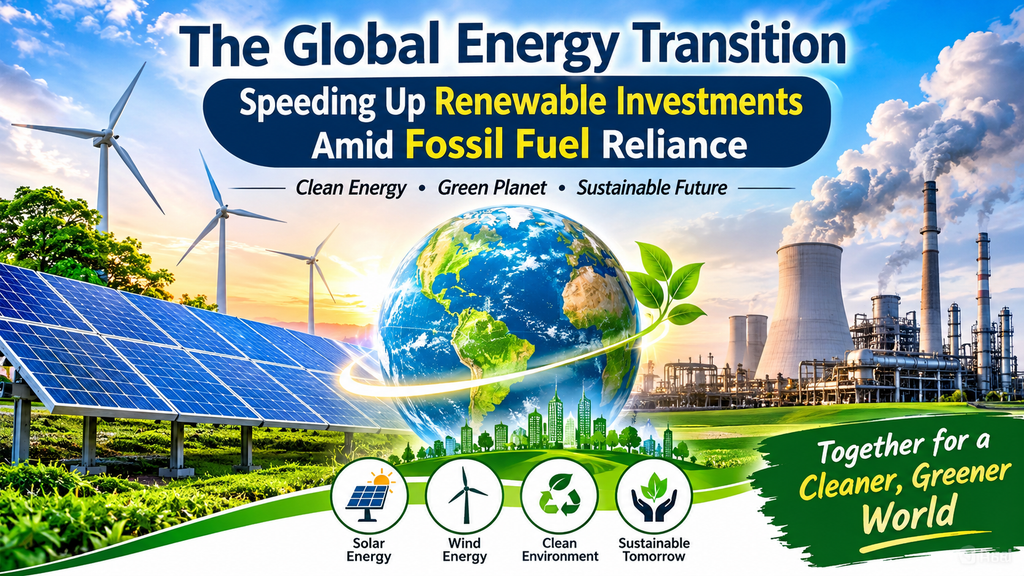
The global energy transition is becoming one of the most important economic and environmental developments of our time. Countries worldwide are increasing investments in renewable energy sources such as solar, wind and hydropower to reduce emissions and strengthen energy security. However, despite this progress, fossil fuels, including coal, oil and natural gas, continue to play a major role in meeting global energy demand.
- Understanding the Global Energy Transition
- Renewable Energy Investments Are Increasing Worldwide
- Why Are Countries Increasing Renewable Energy Investments?
- Growing Environmental Concerns
- Improving Technology and Falling Costs
- Energy Security and Independence
- Solar and Wind Power Lead Renewable Energy Growth
- Why Does the World Still Depend on Fossil Fuels?
- 1. Existing Energy Infrastructure
- 2. Industrial and Transportation Requirements
- 3. Reliable Electricity Supply
- Major Challenges Facing Renewable Energy Development
- 1. Electricity Grid Modernisation
- 2. Energy Storage Technology
- 3. Critical Mineral Supply Chains
- 4. Financial and Policy Challenges
- India’s Growing Role in the Global Energy Transition
- What Does the Future of Global Energy Look Like?
- Energy for Humanity: The Massive Social Welfare and Relief Initiatives
- FAQs on Global Energy Transition
The transition is not happening overnight. Governments, investors and industries must balance growing electricity requirements with environmental responsibilities. Understanding renewable energy investments, technological developments and continuing fossil fuel dependence is essential to understanding the world’s changing energy future.
Understanding the Global Energy Transition
The global energy transition refers to the gradual transformation of energy systems from heavy dependence on fossil fuels towards cleaner and more sustainable sources. It involves expanding renewable electricity, improving energy efficiency, developing battery storage and modernising electricity infrastructure.
For decades, coal, petroleum and natural gas have supported industrial development, transportation and electricity generation. However, their greenhouse gas emissions contribute significantly to climate change.
Also Read: Delhi Rooftop Solar Scheme 2026: Eligibility, Benefits, Subsidy and Application Procedure
According to the International Energy Agency (IEA), global energy demand increased by approximately 1.3% in 2025. Importantly, low-emissions energy sources, including renewables and nuclear power, contributed nearly 60% of this growth. At the same time, demand for all three major fossil fuels also increased.
This demonstrates that the global energy transition is progressing, but traditional energy sources have not yet been replaced.
Renewable Energy Investments Are Increasing Worldwide
Investment is one of the strongest indicators of how countries are preparing for the future energy system.
According to the IEA’s World Energy Investment 2026 report, global energy investment is expected to reach approximately $3.4 trillion in 2026. Around $2.2 trillion is expected to go towards clean energy and related technologies, while approximately $1.2 trillion is expected to flow into oil, natural gas and coal.
The clean energy category includes renewables, nuclear power, electricity grids, energy storage, electrification and other technologies. Therefore, the entire $2.2 trillion should not be described as renewable energy investment alone.These figures demonstrate the growing financial importance of cleaner energy technologies alongside continuing investment in fossil fuels.
Why Are Countries Increasing Renewable Energy Investments?
Several important factors are encouraging governments and private investors to accelerate renewable energy development.
Growing Environmental Concerns
Climate change, rising temperatures and extreme weather events have increased the importance of reducing greenhouse gas emissions.Renewable energy sources such as solar and wind generate electricity without directly burning fossil fuels. Although manufacturing and installing renewable technologies also have environmental impacts, their lifecycle emissions are generally substantially lower than those of fossil fuel-based electricity.
Improving Technology and Falling Costs
Technological improvements have made solar panels, wind turbines and battery storage systems increasingly competitive.Solar photovoltaic technology is becoming more accessible to households, businesses and electricity producers. These developments are encouraging investment in renewable energy projects across different countries.
Energy Security and Independence
Dependence on imported coal, oil and natural gas can expose countries to international conflicts, supply disruptions and changing fuel prices.Developing domestic renewable energy resources can help diversify energy supplies and reduce exposure to international fuel markets.
Solar and Wind Power Lead Renewable Energy Growth
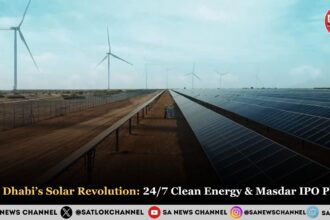
Solar and wind power are among the most important technologies driving the global energy transition.According to IRENA’s Renewable Capacity Statistics 2026, the world added approximately 692 gigawatts (GW) of renewable power capacity during 2025. Solar and wind accounted for the overwhelming majority of these additions.
Solar Energy Expansion
Solar photovoltaic (PV) technology converts sunlight directly into electricity. It can be installed on residential rooftops, commercial buildings and large-scale solar parks.
IRENA reported that approximately 511 GW of solar power capacity was added worldwide in 2025.Countries are increasingly supporting solar parks, rooftop installations and domestic solar manufacturing. These developments are creating opportunities for businesses while expanding access to renewable electricity.
Wind Energy Development
Wind turbines convert the movement of air into electricity.Both onshore and offshore wind projects are contributing to renewable power generation. Offshore wind has considerable potential, although construction expenses, supply chain challenges and project delays remain important concerns.
Combining wind and solar power can also diversify electricity generation and support a more balanced renewable energy system.
Why Does the World Still Depend on Fossil Fuels?
Despite renewable energy expansion, fossil fuels remain deeply connected to the global economy.
1. Existing Energy Infrastructure
Many countries have invested heavily in coal-fired power plants, oil refineries, gas pipelines and conventional transportation systems.Replacing these facilities requires substantial investment, technical planning and time.
2. Industrial and Transportation Requirements
Industries such as steel, cement, chemicals and heavy manufacturing continue to use fossil fuels for energy and certain industrial processes.Oil remains important in aviation, shipping and road transportation.
Although electric vehicles, green hydrogen and alternative fuels are developing, replacing conventional energy systems across every sector remains challenging.
3. Reliable Electricity Supply
Solar and wind power depend on weather conditions, sunlight and wind availability. However, electricity demand continues throughout the day and night.According to the IEA’s Global Energy Review 2026, fossil fuels still accounted for more than half of global electricity generation in 2025. Coal contributed 34%, natural gas 21% and oil 2%.
This shows why battery storage, flexible electricity generation and modern power grids are important for maintaining reliable electricity supplies during the transition.
Major Challenges Facing Renewable Energy Development
Although renewable energy offers significant opportunities, several challenges must be addressed.
1. Electricity Grid Modernisation
Expanding renewable electricity requires stronger transmission and distribution networks. Without sufficient grid capacity, newly generated electricity may not reach consumers efficiently.
2. Energy Storage Technology
Battery storage helps balance differences between electricity generation and consumption. However, large-scale storage systems still involve considerable costs and technical challenges.
3. Critical Mineral Supply Chains
Solar panels, batteries and wind turbines require materials such as lithium, copper, nickel and other minerals.Concentrated supply chains and changing mineral prices can create risks for manufacturers and investors.
4. Financial and Policy Challenges
Renewable energy projects require long-term investment and stable government policies. High financing costs, regulatory uncertainty and project delays can affect investment decisions, particularly in developing economies.
India’s Growing Role in the Global Energy Transition
India is becoming an increasingly important participant in the global renewable energy movement.According to the IEA’s India Renewable Energy Market Report 2026, released on 3 November 2026, India’s renewable power capacity surpassed 300 GW in 2026, having almost quadrupled over the previous decade.
The report also confirms that India achieved its target of 50% non-fossil fuel installed electricity capacity in 2025, five years ahead of its 2030 deadline. This measure includes renewable energy and nuclear power, not renewables alone.India is expanding solar parks, rooftop solar installations, wind power, green hydrogen and domestic solar manufacturing.Government initiatives such as the PM Surya Ghar: Muft Bijli Yojana are also encouraging households to adopt rooftop solar systems.
However, coal remains an important part of India’s electricity supply. The country must continue strengthening electricity grids, storage facilities and renewable infrastructure while ensuring affordable and reliable electricity for its growing population.
What Does the Future of Global Energy Look Like?
The future energy system is expected to combine renewable energy, nuclear power, battery storage, modern electricity grids and other low-emissions technologies.The IEA’s Renewables 2025 report projects that global renewable power capacity could increase by approximately 4,600 GW between 2025 and 2030, with solar photovoltaic technology contributing the largest share.
Achieving this expansion will require stronger government policies, technological innovation, international cooperation and greater access to affordable financing.The objective should not simply be to install more renewable energy projects. Countries must also ensure that electricity remains reliable, affordable and accessible.Ultimately, a successful global energy transition will depend on balancing economic development, environmental protection and long-term energy security.
Energy for Humanity: The Massive Social Welfare and Relief Initiatives
Along with teaching moral discipline and responsible living, Jagatguru Tatvdarshi Sant Rampal Ji Maharaj is setting a profound example of selfless humanitarian service by providing free ration, food, and essential necessities worth billions of rupees on a daily basis to the poor, helpless, and needy across various regions. Under His guidance and through extensive public welfare initiatives like the Annapurna Muhim and round-the-clock free community kitchens (bhandara) at Satlok Ashrams, countless destitute families receive essential supplies, medical assistance, and sustenance completely free of cost. This widespread charitable work demonstrates true compassion in action, ensuring that human welfare and basic dignity reach those who need it the most.
FAQs on Global Energy Transition
1. What is the global energy transition?
The global energy transition is the shift from fossil fuel-based energy systems towards cleaner sources such as solar, wind, hydropower and other low-emissions technologies.
2. Why are renewable energy investments increasing worldwide?
Renewable energy investments are increasing because of climate concerns, improving technology, competitive costs, energy security requirements and government support.
3. Why does the world still depend on fossil fuels?
Fossil fuels continue to support electricity generation, transportation and industrial production because existing infrastructure and many industrial processes cannot be replaced immediately.
4. Which renewable energy sources are growing the fastest?
Solar and wind power are among the fastest-growing renewable electricity technologies. Solar photovoltaic technology contributes the largest share of new renewable power capacity.
5. What is India’s role in the global renewable energy transition?
India is expanding solar and wind power, promoting rooftop solar, developing green hydrogen and strengthening domestic manufacturing and electricity infrastructure to meet its growing energy needs.