


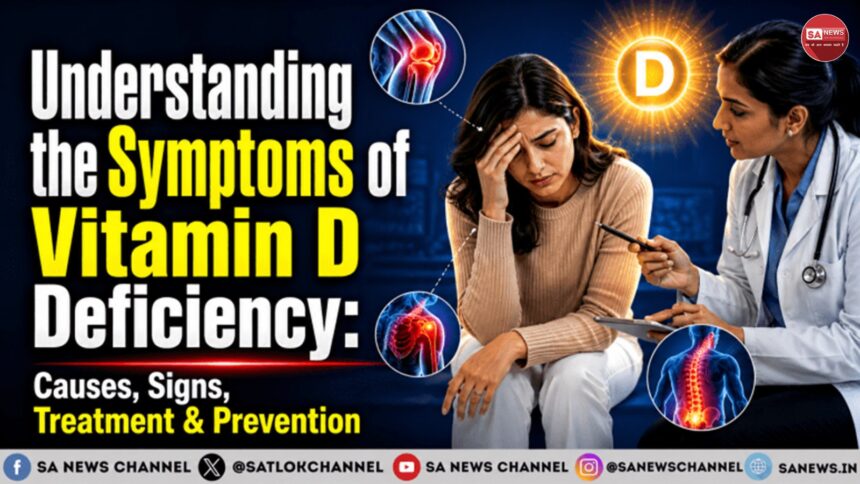
Vitamin D is often called the “sunshine vitamin” because our body produces it when exposed to sunlight. Despite living in sunny regions, millions of people across the world suffer from vitamin D deficiency due to indoor lifestyles, poor dietary habits, aging, and certain medical conditions. Since the symptoms usually develop gradually, many people ignore them until they begin affecting daily life. Understanding the symptoms of vitamin D deficiency can help with early diagnosis and treatment, preventing long-term complications related to bone health, immunity, and overall well-being. This guide explains everything you need to know in simple and practical language.
- Understanding the Symptoms of Vitamin D Deficiency
- What is Vitamin D?
- Why is Vitamin D Important?
- Symptoms of Vitamin D Deficiency
- 1. Constant Fatigue
- 2. Bone Pain
- 3. Muscle Weakness
- 4. Frequent Illness
- 5. Mood Changes
- 6. Hair Loss
- 7. Slow Wound Healing
- 8. Bone Fractures
- 9. Back Pain
- 10. Difficulty Walking
- Symptoms in Children
- Symptoms in Older Adults
- Causes of Vitamin D Deficiency
- Risk Factors
- Foods Rich in Vitamin D
- How is Vitamin D Deficiency Diagnosed?
- Treatment for Vitamin D Deficiency
- How Vitamin D Deficiency Affects Different Parts of the Body
- Impact on Bone Health
- Impact on Muscle Function
- Impact on the Immune System
- Impact on Mental Well-being
- Vitamin D Deficiency During Pregnancy
- Can Vitamin D Deficiency Affect Sleep?
- Myths and Facts About Vitamin D Deficiency
- Myth: Only Older Adults Become Deficient
- Myth: Sitting Near a Window Provides Enough Vitamin D
- Myth: More Vitamin D Is Always Better
- Myth: Diet Alone Can Meet Everyone’s Vitamin D Needs
- Lifestyle Tips to Maintain Healthy Vitamin D Levels
- Who Should Consider Vitamin D Screening?
- Can Vitamin D Deficiency Be Prevented?
- When Should You See a Doctor?
- Early diagnosis helps prevent complications
- A Holistic Perspective on Health and Spiritual Well-Being
- FAQs on Understanding the Symptoms of Vitamin D Deficiency
Understanding the Symptoms of Vitamin D Deficiency
Vitamin D plays an essential role in maintaining strong bones, supporting muscle function, boosting immunity, and regulating many processes inside the body. Without enough vitamin D, the body cannot absorb calcium efficiently, leading to weakened bones and several other health concerns.
Unfortunately, vitamin D deficiency has become one of the most common nutritional deficiencies worldwide.
Let’s understand its symptoms, causes, diagnosis, treatment, and prevention.
What is Vitamin D?
Vitamin D is a fat-soluble vitamin that helps the body absorb calcium and phosphorus. It contributes to:
- Strong bones and teeth
- Healthy muscles
- Proper immune function
- Nervous system health
- Mood regulation
- Cell growth
Our body mainly obtains vitamin D through:
- Sunlight exposure
- Foods rich in vitamin D
- Dietary supplements
Why is Vitamin D Important?
Vitamin D supports nearly every stage of life.
Some major benefits include:
- Maintains bone density
- Prevents osteoporosis
- Reduces fracture risk
- Supports immune defense
- Helps muscle strength
- Supports healthy brain function
- Promotes heart health
Without sufficient vitamin D, the body gradually becomes weaker.Common
Symptoms of Vitamin D Deficiency
The symptoms vary depending on age, severity, and overall health.
1. Constant Fatigue
Feeling tired throughout the day despite getting enough sleep is one of the earliest signs. Low vitamin D levels may reduce energy production and affect muscle performance.
2. Bone Pain
Persistent pain in the lower back, hips, ribs, or legs can indicate weakened bones due to poor calcium absorption.
3. Muscle Weakness
Difficulty climbing stairs, lifting objects, or getting up from a chair may occur because muscles rely on adequate vitamin D for normal function.
4. Frequent Illness
Vitamin D supports immune cells that fight infections.
People with deficiency often experience:
- Frequent colds
- Flu
- Respiratory infections
5. Mood Changes
Research suggests low vitamin D levels may be associated with:
- Depression
- Low mood
- Anxiety
- Lack of motivation
Although vitamin D is not the only factor, maintaining healthy levels supports overall mental well-being.
6. Hair Loss
Severe vitamin D deficiency may contribute to excessive hair shedding, especially when combined with nutritional deficiencies or autoimmune disorders.
7. Slow Wound Healing
Cuts and injuries may take longer to heal because vitamin D plays a role in tissue repair and inflammation control.
8. Bone Fractures
Repeated fractures or weakened bones may signal long-term deficiency.
Older adults are particularly vulnerable.
9. Back Pain
Many individuals with chronic lower back pain are found to have inadequate vitamin D levels.
10. Difficulty Walking
Older adults with vitamin D deficiency often experience reduced balance, muscle weakness, and an increased risk of falls.
Also Read- The Best Ways to Boost Your Child’s Immunity Naturally
Symptoms in Children
Children need vitamin D for healthy growth.
Common symptoms include:
- Delayed growth
- Bone deformities
- Delayed teething
- Muscle weakness
- Irritability
Severe deficiency may lead to rickets, a condition that weakens and softens bones.
Symptoms in Older Adults
Older adults naturally produce less vitamin D from sunlight.
Common symptoms include:
- Weak muscles
- Poor balance
- Frequent falls
- Bone pain
- Fractures
- Fatigue
Causes of Vitamin D Deficiency
Several factors contribute to low vitamin D levels.
Limited Sun Exposure
Indoor lifestyles, pollution, sunscreen use, and covering the skin reduce vitamin D production.
Poor Diet
Low intake of vitamin D-rich foods can contribute to deficiency.
Aging
As people age, their skin becomes less efficient at producing vitamin D.
Obesity
Vitamin D can become stored in body fat, making less of it available for the body to use.
Digestive Disorders
Conditions such as Crohn’s disease or celiac disease may reduce vitamin D absorption.
Kidney and Liver Diseases
These organs help activate vitamin D. Chronic disease can interfere with this process.
Risk Factors
You are at greater risk if you:
- Spend most of your time indoors
- Have darker skin
- Are over 60 years old
- Are overweight
- Follow restrictive diets
- Have digestive disorders
- Are pregnant or breastfeeding
- Have chronic kidney or liver disease
Foods Rich in Vitamin D
Including vitamin D-rich foods can help maintain healthy levels.
Examples include:
- Fortified milk
- Fortified cereals
- Cheese
- Mushrooms exposed to UV light
- Fortified plant-based milk
A balanced diet works best alongside sensible sun exposure.
How is Vitamin D Deficiency Diagnosed?
Doctors usually diagnose deficiency using a blood test that measures vitamin D levels.
They may also evaluate:
- Calcium levels
- Bone health
- Medical history
- Symptoms
If you suspect deficiency, consult a healthcare professional instead of self-diagnosing.
Treatment for Vitamin D Deficiency
Treatment depends on the severity of the deficiency.
Doctors may recommend:
Vitamin D Supplements
Supplements are commonly prescribed to restore healthy levels. Follow medical advice regarding dosage.
Dietary Improvements
Increase intake of vitamin D-rich foods while maintaining a balanced diet.
Safe Sun Exposure
Regular, moderate exposure to sunlight can support natural vitamin D production. The exact duration depends on factors such as skin tone, season, location, and time of day.
How Vitamin D Deficiency Affects Different Parts of the Body
Vitamin D supports many systems in the body, so a deficiency can have wide-ranging effects beyond bone health. Since vitamin D receptors are present in various tissues, maintaining healthy levels is important for overall well-being.
Impact on Bone Health
Vitamin D helps the body absorb calcium and phosphorus, two minerals essential for building and maintaining strong bones. When vitamin D levels are low, bones may gradually lose strength, increasing the risk of fractures and reduced bone density over time.
Impact on Muscle Function
Healthy muscles require adequate vitamin D for normal movement and coordination. A deficiency may reduce muscle strength, making everyday activities such as climbing stairs, lifting objects, or walking longer distances more challenging.
Impact on the Immune System
Vitamin D contributes to the normal functioning of the immune system. Although it is not a cure or preventive treatment for infections, maintaining sufficient vitamin D supports the body’s natural defense mechanisms.
Impact on Mental Well-being
Some studies suggest that vitamin D may play a role in brain function and mood regulation. While mental health is influenced by many factors, maintaining healthy vitamin D levels may contribute to overall emotional well-being as part of a healthy lifestyle.
Vitamin D Deficiency During Pregnancy
Pregnancy increases the body’s nutritional demands, including the need for adequate vitamin D. Maintaining healthy vitamin D levels supports maternal bone health and contributes to normal fetal bone development.
Healthcare providers may recommend vitamin D testing or supplementation for pregnant women based on individual health needs. It is important to follow professional medical advice rather than self-prescribing supplements.
Can Vitamin D Deficiency Affect Sleep?
Emerging research suggests a possible relationship between vitamin D levels and sleep quality. Some individuals with low vitamin D report difficulty sleeping, frequent nighttime awakenings, or daytime tiredness.
However, sleep problems can have many causes, and vitamin D deficiency should not be assumed to be the only reason. A healthcare professional can help determine the underlying cause.
Also Read- The Science of Sleep: Why Do We Need It?
Myths and Facts About Vitamin D Deficiency
Myth: Only Older Adults Become Deficient
Fact: Vitamin D deficiency can affect children, teenagers, adults, and older people alike, depending on lifestyle, diet, skin exposure to sunlight, and medical conditions.
Myth: Sitting Near a Window Provides Enough Vitamin D
Fact: Glass blocks most UVB rays required for vitamin D production. Spending time near a sunny window does not provide the same benefit as appropriate outdoor sunlight exposure.
Myth: More Vitamin D Is Always Better
Fact: Excessive vitamin D intake from supplements can be harmful. Supplements should only be taken according to the advice of a qualified healthcare professional.
Myth: Diet Alone Can Meet Everyone’s Vitamin D Needs
Fact: While vitamin D-rich foods are important, many people may still require safe sunlight exposure or supplements depending on their individual circumstances.
Lifestyle Tips to Maintain Healthy Vitamin D Levels
Maintaining healthy vitamin D levels is easier when combined with overall healthy habits.Some practical tips include:
- Spend regular time outdoors when appropriate.
- Eat a balanced diet that includes vitamin D-rich foods.
- Stay physically active.
- Maintain a healthy body weight.
- Avoid smoking and excessive alcohol consumption.
- Get routine health check-ups if you are at higher risk of deficiency.
- Follow your healthcare provider’s recommendations regarding supplementation.
These habits support not only vitamin D levels but also overall physical and mental health.
Who Should Consider Vitamin D Screening?
Routine screening is not necessary for everyone. However, healthcare providers may recommend testing for individuals who have a higher likelihood of deficiency.
Groups that may benefit from screening include:
- Older adults
- Pregnant or breastfeeding women
- Individuals with osteoporosis
- People with chronic kidney or liver disease
- Individuals with digestive disorders affecting nutrient absorption
- People with limited sun exposure
- Those who have experienced repeated fractures or persistent bone pain
Testing allows healthcare professionals to recommend appropriate treatment based on individual needs.
Can Vitamin D Deficiency Be Prevented?
Yes.
Simple preventive steps include:
- Spend time outdoors regularly.
- Eat vitamin D-rich foods.
- Stay physically active.
- Maintain a healthy body weight.
- Follow your doctor’s advice regarding supplements if needed.
- Get regular health check-ups, especially if you belong to a high-risk group.
When Should You See a Doctor?
Seek medical advice if you experience:
- Persistent fatigue
- Muscle weakness
- Chronic bone pain
- Frequent fractures
- Recurrent infections
- Unexplained body aches
Early diagnosis helps prevent complications
Untreated vitamin D deficiency may lead to:
- Osteoporosis
- Osteomalacia
- Increased fracture risk
- Reduced mobility
- Muscle weakness
- Lower quality of life
Timely treatment significantly reduces these risks.
A Holistic Perspective on Health and Spiritual Well-Being
True wellness is a harmonious balance of a healthy body and a peaceful mind. Just as our physical body relies on the external “sunshine vitamin” to thrive, our inner well-being relies on spiritual nourishment to maintain mental peace and emotional resilience. Taking care of your physical health through proper nutrition, safe sunlight exposure, and regular medical check-ups creates a strong foundation for a fulfilling life.
In the pursuit of holistic health, many find that spiritual discipline beautifully complements physical wellness. According to the teachings of Sant Rampal Ji Maharaj, the human body is a rare and precious gift meant for higher spiritual growth. His teachings emphasize living a disciplined, balanced life-which includes avoiding harmful addictions, practicing high moral conduct, consuming a pure vegetarian diet, and engaging in true devotion to Supreme God. This pure lifestyle not only fosters deep mental peace and self-control but also aligns perfectly with a health-conscious way of living.
While cultivating inner peace and spiritual discipline supports your mental and emotional strength, physical ailments like vitamin D deficiency require practical, science-backed care. Combining a healthy, spiritually grounded lifestyle with proper medical guidance ensures complete well-being for both body and soul.
FAQs on Understanding the Symptoms of Vitamin D Deficiency
1. What are the first symptoms of vitamin D deficiency?
Early symptoms often include fatigue, muscle weakness, bone pain, mood changes, and frequent infections.
2. Can vitamin D deficiency cause body pain?
Yes. Low vitamin D levels can reduce calcium absorption, leading to bone pain, muscle aches, and discomfort.
3. Which foods are highest in vitamin D?
Fortified milk, fortified cereals, UV-exposed mushrooms, and fortified plant-based beverages are among the best dietary sources.
4. How can I naturally increase my vitamin D levels?
Regular safe sunlight exposure, eating vitamin D-rich foods, staying active, and following your healthcare provider’s advice can help maintain healthy levels.
5. Can vitamin D deficiency be cured?
In most cases, yes. With timely diagnosis, appropriate supplements when prescribed, dietary improvements, and healthy lifestyle habits, vitamin D levels can often be restored successfully.