

Ancient vs Modern Olympics: The Olympic Games are one of the most celebrated sporting events in human history, symbolizing unity, excellence, and global cooperation. However, the Olympics we witness today are vastly different from their ancient origins in Greece.
- Origins of the Ancient Olympic Games
- Birth of the Modern Olympics
- Major Differences Between Ancient and Modern Olympics
- Similarities That Still Exist
- Evolution of Technology and Global Impact
- Cultural and Economic Significance
- Challenges in Modern Olympics
- The Changing Spirit of Competition
- Training and Preparation – Then vs Now
- Role of Media and Commercialization
- Inclusivity and Diversity
- Environmental and Ethical Concerns
- The Role of Nationalism
- Women in the Olympics – A Journey of Empowerment
- Lessons from Ancient Olympics for the Modern World
- The Future of the Olympics
- Bridging the Past and Present
- Balancing Spiritual Wisdom with Modern Success
- FAQs on Olympics
The Ancient Olympic Games were deeply rooted in religious traditions and cultural pride, while the Modern Olympics reflect technological advancement, inclusivity, and international competition. Understanding this transformation not only highlights the evolution of sports but also reveals how human values have shifted over time.
In this blog, we will explore the key differences, similarities, and deeper meanings behind both versions of the Olympics.
Origins of the Ancient Olympic Games
The Ancient Olympic Games began in 776 BCE in Olympia, Greece. These games were held in honor of Zeus, the king of Greek gods. Unlike today’s Olympics, they were not just sports competitions but also religious festivals. Athletes competed to gain honor for their city-states and to please the gods.
Key Features of Ancient Olympics
- Held every four years
- Only Greek male citizens could participate
- Events included wrestling, chariot racing, and running
- Winners received olive wreaths, not medals
The ancient Olympics emphasized honor, discipline, and spirituality over material rewards.
Birth of the Modern Olympics
The Modern Olympic Games were revived in 1896 by Pierre de Coubertin in Athens, Greece. His vision was to promote peace and unity through sports.
Today, the Olympics are governed by the International Olympic Committee (IOC) and involve over 200 nations.
Key Features of Modern Olympics
- Global participation
- Inclusion of women athletes
- Advanced technology in sports and broadcasting
- Medal system (gold, silver, bronze)
- Wide range of sports including winter and summer events
Major Differences Between Ancient and Modern Olympics
1. Purpose and Philosophy
Ancient: Religious devotion and honor
Modern: Global unity, entertainment, and competition
2. Participation
Ancient: Only Greek men
Modern: Athletes from all over the world, including women
3. Rewards
Ancient: Olive wreaths and respect
Modern: Medals, fame, sponsorships
4. Scale and Technology
Ancient: Small-scale events
Modern: Massive global events with millions of viewers
5. Events
Ancient: Limited sports
Modern: Hundreds of events across disciplines
Similarities That Still Exist
Despite the differences, some values remain unchanged:
- Held every four years
- Emphasis on excellence and discipline
- Promotion of peace and unity
- Celebration of human potential
Evolution of Technology and Global Impact
Modern Olympics are not just sports events-they are global spectacles.
- Live broadcasting reaches billions
- AI and analytics improve performance
- Social media connects fans worldwide
The use of first-person-view drones and high-speed cameras has revolutionized how audiences experience the games.
Cultural and Economic Significance
The Modern Olympics significantly impact host countries:
- Boost tourism
- Improve infrastructure
- Enhance global reputation
The 2026 Milano Cortina Winter Olympics adopted a multi-city hosting model across Italy, showcasing how modern Games can leverage existing infrastructure and regional culture to boost tourism and national reputation, while aiming for a more sustainable “wide-area” hosting approach.
Also Read- India Bids for 2030 Commonwealth Games – A Strategic Move for Future Olympics
Challenges in Modern Olympics
Despite their grandeur, modern Olympics face several challenges:
- High costs
- Political controversies
- Doping scandals
- Environmental concerns
These issues raise questions about whether the Olympics are drifting away from their original values.
The Changing Spirit of Competition
While both ancient and modern Olympics celebrate human strength and skill, the spirit of competition has evolved significantly over time. In ancient Greece, athletes competed primarily for honor, dignity, and spiritual recognition. Victory was seen as a reflection of divine favor and personal virtue.
In contrast, modern athletes often face intense pressure driven by global expectations, national pride, and commercial interests. Winning today can mean lucrative endorsements, media fame, and lifelong recognition. This shift has transformed competition from a sacred duty into a high-stakes profession.
However, this evolution also raises important questions:
- Has the essence of sportsmanship changed?
- Are athletes still driven by passion, or by external rewards?
These questions continue to shape discussions around the true meaning of the Olympics.
Training and Preparation – Then vs Now
Ancient Training Methods
In ancient times, athletes trained in open fields and gymnasiums using natural methods. Their routines focused on endurance, strength, and discipline. There were no scientific diets, supplements, or advanced equipment.
Training was deeply connected to nature and simplicity. Athletes relied on:
- Basic physical exercises
- Natural diets like grains, fruits, and meats
- Mental discipline and focus
Modern Training Techniques
Today, Olympic training is highly advanced and data-driven. Athletes use cutting-edge technology and scientific methods to maximize performance.
Modern training includes:
- Personalized nutrition plans
- Biomechanics analysis
- Psychological coaching
- High-tech equipment and recovery systems
While these advancements improve performance, they also highlight how far modern sports have moved away from the simplicity of ancient times.
Role of Media and Commercialization
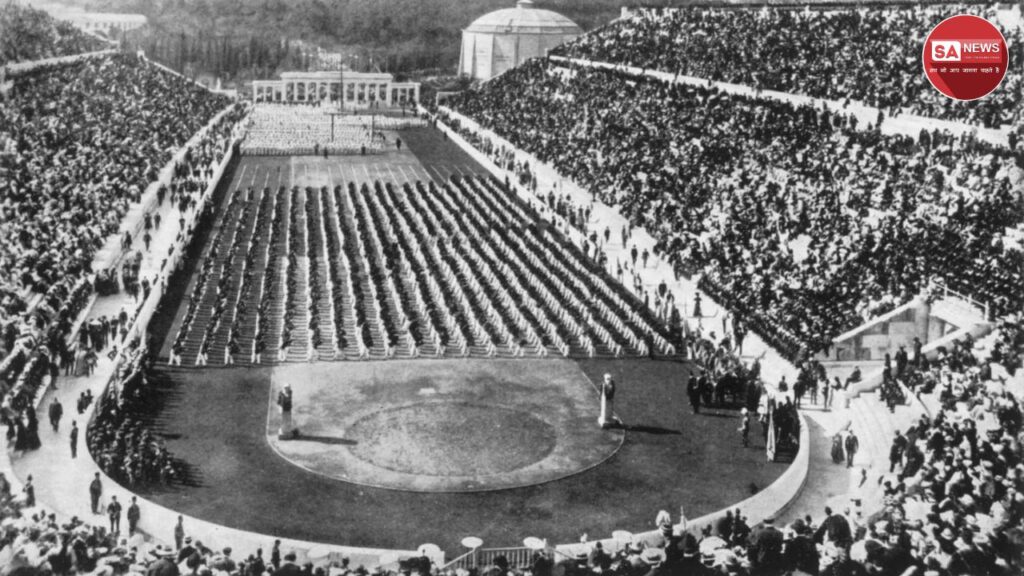
One of the most striking differences in today’s Olympics is the role of the media. The ancient games had no spectators beyond those physically present, whereas modern Olympics are watched by billions worldwide.
Media Influence
Television, social media, and digital platforms have turned athletes into global celebrities. Every performance is analyzed, shared, and discussed instantly.
Commercial Growth
Sponsorships, advertisements, and broadcasting rights generate billions of dollars. Major brands invest heavily in Olympic campaigns, making the event a commercial powerhouse.
While commercialization has helped expand the reach of the Olympics, it has also shifted focus toward profit and popularity.
Inclusivity and Diversity
A positive transformation in modern Olympics is the emphasis on inclusivity.
Ancient Limitations
The ancient games excluded:
- Women
- Non-Greek participants
- People from different social classes
Modern Inclusivity
Today, the Olympics promote equality and diversity by including:
- Women athletes
- Participants from nearly every country
- Paralympic Games for athletes with disabilities
This inclusivity reflects a broader shift toward human rights and equality in society.
Environmental and Ethical Concerns
Modern Olympics, while grand, come with environmental and ethical challenges.
Environmental Impact
Hosting the Olympics often requires large-scale construction, which can lead to:
- Deforestation
- Increased carbon emissions
- Waste generation
Ethical Issues
Modern Olympics also face ethical concerns such as:
- Doping scandals
- Corruption in bidding processes
- Exploitation of athletes
These challenges highlight the need for sustainable and ethical practices in future games.
The Role of Nationalism
In ancient Greece, athletes represented their city-states, but the sense of nationalism was limited compared to today.
In modern Olympics, national pride plays a significant role. Countries invest heavily in training athletes to win medals, as success enhances their global image.
While nationalism can inspire unity and motivation, excessive focus on medal counts can overshadow the true spirit of sportsmanship.
Women in the Olympics – A Journey of Empowerment
The inclusion of women in the modern Olympics marks one of the most significant milestones in sports history.
From being completely excluded in ancient times to becoming global icons today, women athletes have broken barriers and redefined excellence.
Today, female athletes compete in almost all Olympic sports, inspiring millions around the world. This progress reflects the broader movement toward gender equality.
Also Read- Milano Cortina 2026 Winter Olympics: Italy Hosts a New Chapter in Olympic History
Lessons from Ancient Olympics for the Modern World
Despite technological and social advancements, the ancient Olympics offer timeless lessons:
- Value of simplicity and discipline.
- Importance of inner strength over external rewards.
- Respect for ethics and fairness.
Modern society can benefit from revisiting these principles to restore balance in sports and life.
The Future of the Olympics
The Olympics continue to evolve with changing times. Future trends may include:
- Greater use of artificial intelligence in judging and training
- Sustainable and eco-friendly आयोजन
- Expansion of digital and virtual sports
- Increased focus on mental health of athletes
As the world changes, the Olympics will adapt-but the challenge will be to preserve their core values.
Bridging the Past and Present
The comparison between ancient and modern Olympics is not just about sports-it reflects the journey of human civilization.
Ancient games remind us of our spiritual roots and simplicity, while modern Olympics showcase innovation and global unity. The ideal approach lies in combining both:
- Keeping the integrity and discipline of ancient times
- Embracing the inclusivity and advancement of modern society
By doing so, the Olympics can continue to inspire generations while staying true to their original purpose.
Balancing Spiritual Wisdom with Modern Success
The journey from the Ancient to Modern Olympics reflects humanity’s transformation-from a spiritually rooted pursuit of excellence to a technologically advanced, globally celebrated event. According to the teachings of Sant Rampal Ji Maharaj, the true purpose of human life is not limited to fame, wealth, or temporary achievements but lies in attaining true spiritual knowledge and ultimately salvation.
While the Ancient Olympics carried a sacred dimension, where athletes competed to honor divine forces, the modern Olympics often emphasize recognition, success, and material rewards.
Sant Rampal Ji Maharaj teaches that real victory is not winning medals but conquering ego, controlling desires, and living a righteous life devoted to God. Physical accomplishments, no matter how great, are temporary, whereas spiritual wisdom is eternal and leads to lasting peace and liberation.
As the Olympics continue to evolve with innovation and global attention, their deeper message remains relevant-balancing physical achievement with spiritual awareness through Satgyaan can help individuals lead a truly meaningful and fulfilling life, aligning success with both worldly progress and eternal spiritual growth.
FAQs on Olympics
Q1. What is the main difference between ancient and modern Olympics?
The ancient Olympics were religious festivals, while modern Olympics focus on global competition and unity.
Q2. When did the modern Olympics start?
The modern Olympics began in 1896 in Athens, Greece.
Q3. Were women allowed in ancient Olympics?
No, women were not allowed to participate in the ancient Olympic Games.
Q4. What are the values of the modern Olympics?
Excellence, friendship, and respect are the core values.
Q5. How are modern Olympics different in technology?
Modern Olympics use AI, drones, and global broadcasting to enhance performance and viewer experience.