

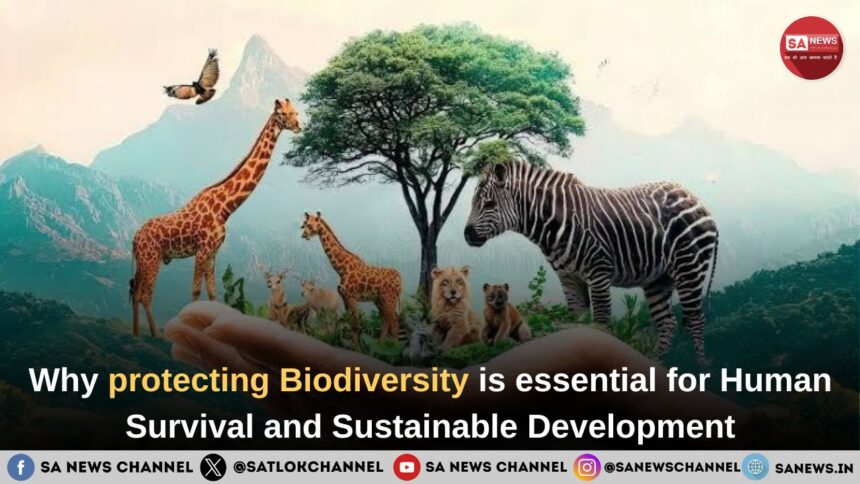
Biodiversity is the existence of a different variety of plants and animals together to make a healthy environment. It is the base of a healthy ecosystem where clean air, fresh water, medicines and other important resources are generated. Loss of biodiversity is occurring at a fast pace worldwide because of human destruction, climate change and overexploitation of resources.
The conservation of biodiversity is not only a responsibility for the environment, but it is a means to human life and sustainable development. The conservation of biodiversity is one of the best solutions to help achieve a resilient and prosperous future as the world’s environment and economy are threatened.
Why Understanding Biodiversity Matters?
“I can’t imagine anything more important than air, water, soil, energy and biodiversity. These are the things that keep us alive.” — David Suzuki
As stated by David Suzuki, biodiversity is more important than anything in this world. It allows us to survive in this world in every circumstance and helps us become adaptive to the changing needs of society.
When one species disappears, the entire ecosystem of that particular area vanishes. A famous historical example to verify this is the extinction of sea otters in the 19th century, which led to the destruction of marine ecosystems and became the reason for the vanishing of kelp forests.
Key Features of The Biodiversity
Some common features of biodiversity include the following:
- Diverse crop varieties help in the food security of the nation.
- Nature acts as a pharmacy for humanity.
- Forests absorb harmful gases and provide a clean environment.
- Provides ecosystem services.
- Maintain a stable environment.
These features make biodiversity essential for mankind.
Threats to Biodiversity
Some concerns are also associated with biodiversity, which are as follows:
- Deforestation and habitat destruction
- Climate Change
- Pollution of Air, Water, Soil and Noise
- Overutilisation of resources
- Unsustainable development
How can we protect biodiversity?
“The responsibility to protect, nurture and respect biodiversity lies with all of us.”
The above statement clearly explains the need for coordinated efforts of all living in this world. These include the following measures:
- Increasing protected forests, wetlands and marine reserves.
- Supporting sustainable farming and responsible fishing practices.
- Decreasing the amount of waste and plastic waste management.
- Afforestation/restoration of degraded ecosystems.
- Support for renewable energy to lower emissions of greenhouse gases.
- Supporting wildlife conservation programmes.
- Adopting responsible consumption and minimising food waste.
- Educating communities about conservation of the environment.
If individuals follow the above mentioned measures, then a difference will be created.
Biodiversity and the Sustainable Development Goals (SDGs)
Biodiversity conservation makes a contribution to a number of the United Nations’ Sustainable Development Goals, namely:
SDG 2: Zero Hunger
SDG 3: Good Health and Well-being
SDG 6: Clean Water and Sanitation
SDG 13: Climate Action
Action for SDG 14: Life Below Water
SDG 15: Life on Land
Countries protecting biodiversity also benefit their economies in terms of economic resilience, their health in terms of public health, and their environment in terms of environmental sustainability.
A Spiritual Perspective: Protecting Biodiversity Through the Teachings of Sant Rampal Ji Maharaj
From a spiritual perspective, the preservation of biodiversity can be achieved by teaching the lessons of Sant Rampal Ji Maharaj.
Saint Rampal Ji Maharaj imparts the knowledge that one should refrain from unnecessarily harming living creatures, reduce greed and engage in ethical behaviour to help preserve the natural world.
These values are motivating people to practise environmentally responsible actions, such as the conservation of natural resources, minimisation of pollution, and protection for wildlife.
This combination of ecological consciousness and moral and spiritual considerations is a step towards creating a society that is both sustainable and healthy. No matter their religion or their beliefs, everyone has a responsibility to respect nature and protect biodiversity, which is welcome to all life on Earth.