


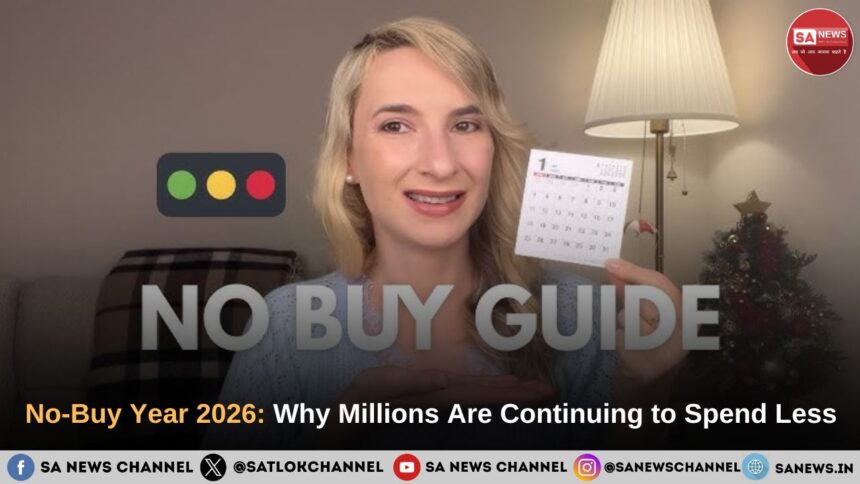
In 2026, the No-Buy Year challenge continues to dominate social media, with hashtags like #NoBuy2026 and #NoBuyYear trending on TikTok, Reddit, and beyond. Building on the massive popularity from 2025, participants are committing to skipping non-essential purchases for the full year-focusing only on necessities like groceries, bills, medicine, and rent. This mindful reset counters overconsumption, fueled by ongoing economic pressures, environmental awareness, and a shift toward simpler, more intentional living.
Many from 2025 are renewing their pledges, reporting life-changing results: clearing massive debts, growing substantial savings, and finding deeper satisfaction in existing possessions.
What Is a No-Buy Year?
A No-Buy Year involves no non-essential spending for 12 months. Typical “no-buy” categories include:
- New clothes, shoes, or accessories
- Makeup, skincare, and beauty products
- Gadgets, books, or home decor
- Takeout, coffee runs, or dining out
- Subscriptions or extra entertainment
Flexibility is key-many prefer a Low-Buy Year with set limits (e.g., one clothing item per quarter or a small fun budget). Essentials remain allowed: food, housing, health, and genuine replacements (like a failed appliance).
The movement ties into “underconsumption core,” where people celebrate using items to their fullest-promoting sustainability over endless new purchases.

Why Is No-Buy Year 2025 So Popular?
Ongoing Economic Challenges
Even as inflation stabilizes in some areas, lingering high living costs and economic uncertainty from prior years keep budgeting front-of-mind. No-Buy remains a powerful tool for financial control and resilience.
Backlash Against Overconsumption
Social media ads and influencer culture continue to push constant buying, leaving many fatigued. In 2026, more people seek escape from this cycle, craving meaningful lives over material excess.
Growing Environmental Consciousness
Reducing purchases cuts waste, packaging, and resource use-aligning with minimalism and eco-friendly goals that gained traction in 2025 and persist strongly.
Role of Social Media and Public Awareness
Platforms like Reddit are filled with millions of posts and discussions under hashtags such as #NoBuy2026 and #UnderconsumptionCore. Young people, in particular, are embracing this trend by sharing their no-buy lists and personal experiences.
Setting clear rules is important-some people completely stop non-essential purchases, while others choose low-buy or smart-buy approaches.
Also Read: 10 Smart Money Management Tips for Youth: Learn to Save & Grow
Benefits of a No-Buy Year
Financial Benefits
- Increased savings and reduced debt
- Better budget management
- Greater control over unnecessary expenses
Mental and Emotional Benefits
- Reduced impulse buying and spending addiction
- Improved mental balance and satisfaction
- A sense of simplicity and clarity in life
Environmental Benefits
Lower consumption means less packaging, less waste, and reduced use of natural resources, creating a positive impact on the environment.
Trending News and Social Reactions
The “No-Buy 2026” trend has gone viral on TikTok and other platforms, where creators share their no-buy lists and experiences of saving money and living a minimalist life.
Recent reports show that Gen Z is moving away from impulse shopping and adopting a financially secure, mindful lifestyle.
The Need for Spiritual Balance in Modern Life
Today’s world is deeply trapped in consumerism and show-off culture, where excessive accumulation is seen as a symbol of success and happiness. However, Sant Rampal Ji Maharaj repeatedly emphasizes in His teachings that excessive indulgence disturbs the mind and leads to spiritual decline. He advocates a life of simplicity, self-control, and limited needs.
According to the teachings of Sant Rampal Ji Maharaj, the primary purpose of human life is to attain salvation (Moksha) and connect with the Supreme God, rather than focusing on material accumulation. Get Your Free Copy of Gyan Ganga Book by Sant Rampal Ji Maharaj – Fill This Form.
FAQs:The Rising Trend of No-Buy Year
1. What is a No-Buy Year?
No-Buy Year is a challenge where a person avoids unnecessary shopping for an entire year and spends only on essential needs.
2. When and why did the No-Buy Year trend begin?
The trend started gaining popularity in 2024–25 through social media platforms like TikTok, driven by inflation and minimalist thinking.
3. What are the main benefits of a No-Buy Year?
It increases savings, improves mental balance, and reduces excessive consumption.
4. Is it possible to avoid all shopping for a year?
It can be difficult for some people, which is why many choose low-buy or rule-based no-buy approaches.
5. How can a No-Buy Year be successful?
By setting clear rules, planning a budget, and understanding personal spending habits.