


History of Protests: Protests are so familiar today, from street marches and labour strikes to campaigns organised through smartphones, that they can feel like a distinctly modern phenomenon. However, people were collectively challenging rulers, employers, taxes and social systems thousands of years before hashtags or even modern democracy existed. In this exploration, we trace the history of protests from ancient collective resistance to today’s digitally connected movements and reveal how both the reasons for protesting and the methods used have evolved.
- History of Protests Highlights
- What Is a Protest and How Is It Different From a Rebellion or Revolution?
- How Have Protests Shaped the Course of History?
- When Did Protests First Begin in Human History?
- How Did Protest Evolve During the Medieval and Early Modern Periods?
- How Did Revolutions Transform the History of Protest?
- How Did Industrialisation Create Modern Mass Protest?
- How Did Women’s Suffrage Movements Use Protest to Demand Political Rights?
- How Did Anti-Colonial and Civil Rights Movements Transform Protest?
- How Did Nonviolent Resistance Influence the U.S. Civil Rights Movement?
- What Were Some of the Most Influential Protests in World History?
- How Have Protest Tactics Changed Throughout History?
- How Has Technology Transformed Protests?
- How Has Social Media Changed the Way Protests Are organised?
- Is the Algorithm Becoming an Invisible Participant in Modern Protests?
- Are Students Easily Influenced Into Joining Protests?
- Can Protests Be Engineered to Create Political or Regime Change?
- Has Protest Become a Battle for Perception?
- But Is Protest the Only Way to Change Society?
- FAQs: History of Protests
History of Protests Highlights
- Protests are organised expressions of opposition or demands for change, with documented forms of collective resistance stretching back thousands of years.
- Early protests show that conflicts over work, resources, taxation, political power and fairness existed long before modern democracies.
- Industrialisation helped transform protest through urbanization, organised labour, trade unions and mass political campaigns.
- Boycotts, strikes and civil disobedience became powerful tools across labour, suffrage, anti-colonial and civil-rights movements.
- Digital technology allows movements to mobilise rapidly, but online attention does not automatically produce lasting change.
- Successful protest movements usually depend on organisation, clear demands, public support, favorable political conditions and sustained pressure.
- Historical impact must be measured through both immediate outcomes and longer-term effects on institutions, laws and public opinion.
What Is a Protest and How Is It Different From a Rebellion or Revolution?
A protest is a public or organised expression of objection, opposition, or demand for political, social, economic or institutional change. A protest may involve a march, petition, boycott, strike, sit-in or symbolic act without seeking to overthrow the political system itself.
At the same time, the boundaries can overlap. A strike primarily uses the withdrawal of labour, civil disobedience deliberately breaks or refuses compliance with particular rules, a rebellion directly resists established authority and a revolution seeks fundamental transformation of a political or social order.
As such, not every protest becomes a revolt and not every revolt becomes a revolution.
How Have Protests Shaped the Course of History?
The history of protests matters because it reveals how ordinary people have tried to influence power when established institutions failed to address their grievances.
- Throughout history, people have protested over wages, food, taxation, political representation, colonial rule, racial discrimination, gender inequality, religion, war and working conditions.
- Protest history challenges the idea that change happens only through rulers, elections or legislation.
- Organised public pressure has repeatedly influenced political debate and institutional decisions, although its effects may emerge gradually rather than immediately.
A protest’s historical importance cannot be measured by crowd size alone. Its effects on laws, institutions and public attitudes may continue long after the demonstration ends.
When Did Protests First Begin in Human History?
The history of protest stretches back thousands of years, although identifying a single ‘first protest’ is difficult because collective resistance predates surviving written records. Historians can therefore identify the earliest documented protests rather than confidently naming humanity’s first act of collective dissent.
What Is the Oldest Recorded Protest in History?
The strike by workers at Deir el-Medina in ancient Egypt is widely identified as the first documented labour strike in recorded history. During the reign of Ramesses III, workers responsible for royal tombs stopped working after the grain rations that constituted their payment were suspended. The surviving Turin Strike Papyrus records the dispute.
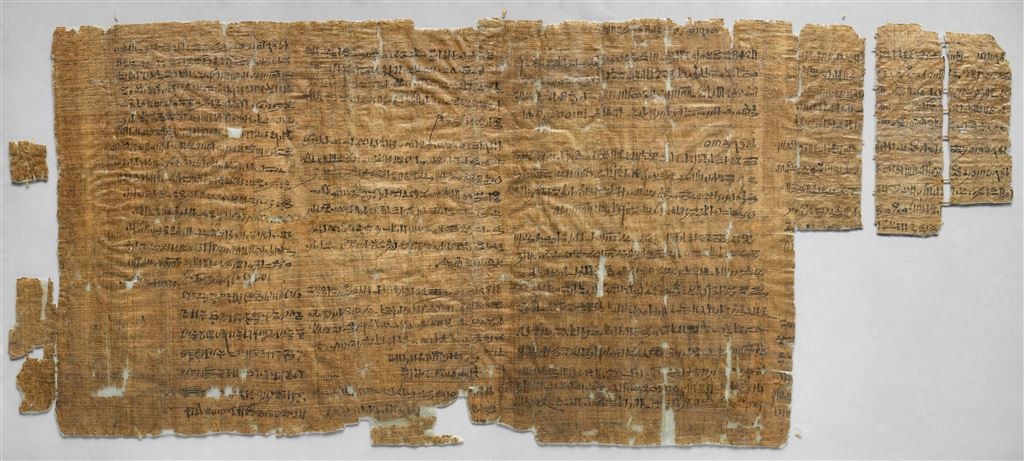
Image Credit: Museo Egizio (Papyrus Collection)
For example, the papyrus records the strike during Year 29 of Ramesses III’s reign, with workers leaving their work and demanding overdue provisions from authorities. Museo Egizio dates Ramesses III’s reign to 1187–1157 BCE. (Source: Museo Egizio, 2026)
The Deir el-Medina strike demonstrates that collective bargaining through work stoppage existed more than three millennia ago.
How Did Ancient Romans Use Collective Protest?
Ancient Roman plebeians used collective withdrawal to pressure the political elite during the secessio plebis. Traditional accounts place the first secession in 494 BCE, when plebeians withdrew amid conflict with the patrician order; the settlement was associated with the creation of tribunes who could protect plebeian interests.
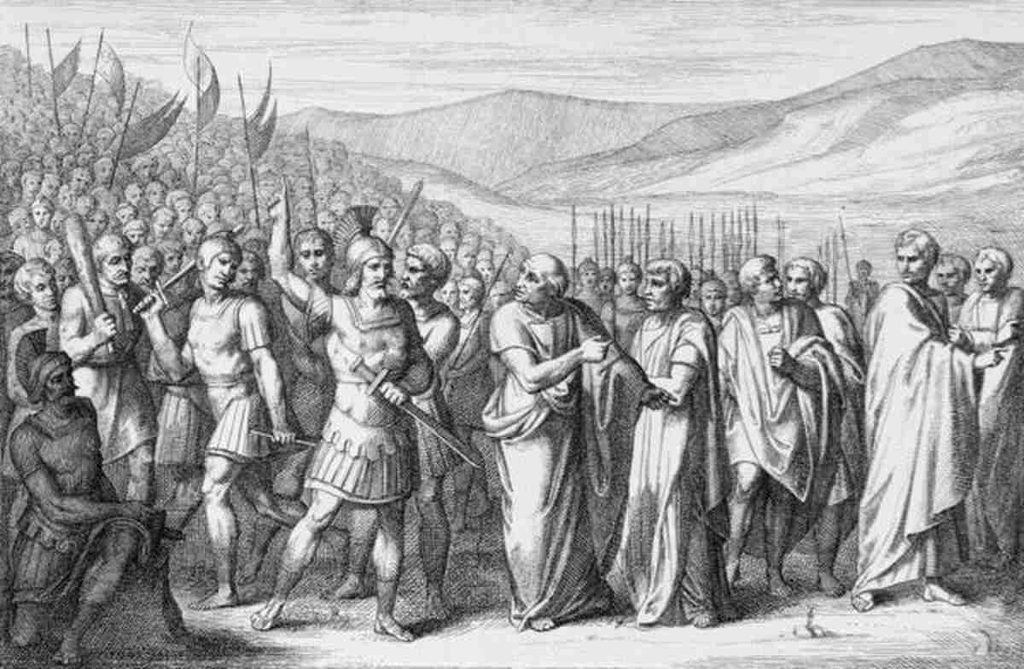
In other words, protesters did not need newspapers, elections or social media to create leverage. Refusing participation itself could become a political weapon.
How Did Protest Evolve During the Medieval and Early Modern Periods?
Medieval and early modern protest often appeared as peasant uprisings, tax resistance, religious dissent, petitions and disturbances over food or prices.
- Feudal structures, monarchical authority, limited communication and harsh penalties made sustained mass organisation far more difficult than it would become in the modern era.
- Communities collectively resisted a new tax or reacted when food shortages and rising prices threatened survival.
- Religious dissent similarly became political when challenges to doctrine also challenged the institutions exercising power.
- At the same time, expanding literacy and printing gradually transformed collective action.
- Ideas could travel farther and faster, allowing grievances to spread beyond the place where they originated.
How Did Revolutions Transform the History of Protest?
The American and French Revolutions expanded the ambitions of political dissent by connecting resistance with ideas about representation, citizenship, liberty and political rights.
- Protest and revolution remained different phenomena, but protest could now become part of a larger struggle over who had the right to govern.
- American colonists used petitions, public meetings and boycotts against British taxation before independence.
- The National Park Service notes that colonial boycotts helped persuade Parliament to repeal the Stamp Act, while the Boston Tea Party of December 16, 1773 became a major act of defiance against the Tea Act.
- Similarly, the French Revolution pushed questions of citizenship and equality into political life on an extraordinary scale.
A revolution seeks systemic transformation. A protest may seek anything from one policy change to fundamental political reform.
How Did Industrialisation Create Modern Mass Protest?
Industrialisation helped create modern mass protest by concentrating large populations of workers in factories, mines and rapidly growing cities. Shared workplaces made common grievances easier to identify and collective action easier to organize.
Moreover, trade unions turned the strike into a more structured bargaining tool. Workers could stop production collectively, while newspapers, expanding literacy and improved transport allowed political and labour campaigns to reach audiences beyond a single workplace.
Also read: The Industrial Revolution and Its Impact on Society: How It Changed the Modern World
How Did Women’s Suffrage Movements Use Protest to Demand Political Rights?
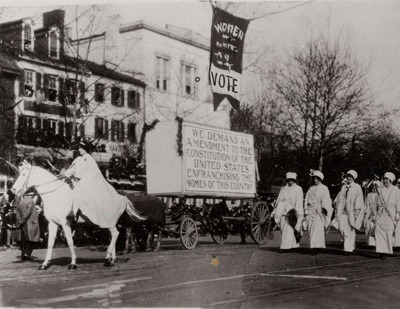
Women’s suffrage movements used lectures, petitions, lobbying, marches, picketing, civil disobedience, silent vigils and hunger strikes to demand voting rights. The methods demonstrate how sophisticated modern campaigning had become by the late nineteenth and early twentieth centuries.
- For example, more than 5,000 suffragists marched along Pennsylvania Avenue in Washington, D.C., on March 3, 1913. (Source: U.S. National Archives, 2021)
- The movement was not politically or racially uniform.
- The U.S. National Archives notes that organisers attempted to segregate women of color during the 1913 procession, while Black suffragists including Ida B. Wells-Barnett resisted discriminatory treatment.
How Did Anti-Colonial and Civil Rights Movements Transform Protest?
Anti-colonial and civil-rights movements transformed modern protest by demonstrating the political power of coordinated boycotts, marches, strikes, sit-ins, non-cooperation and civil disobedience. These tactics could disrupt established systems while mobilising broad public participation.
- One of the most iconic examples came in 1930, when Mahatma Gandhi set out from Sabarmati Ashram with 78 followers on a 24-day, roughly 240-mile journey to Dandi, challenging British control over salt through peaceful resistance.
- The Salt Satyagraha illustrates the power of symbolic protest.
- Salt was an everyday necessity, allowing opposition to colonial rule to be expressed through an issue millions of people could immediately understand.
The Government of India describes the campaign as a major act of nonviolent civil disobedience against British control over salt.
Also read: British Raj: India’s Transformative Journey from Colonial Rule to Independence
How Did Nonviolent Resistance Influence the U.S. Civil Rights Movement?
The U.S. Civil Rights Movement used nonviolent boycotts, sit-ins, freedom rides and marches to challenge segregation, discrimination and restrictions on voting rights. Careful organisation was often as important as the public demonstration itself.
An estimated 250,000 people attended the March on Washington for Jobs and Freedom on August 28, 1963, making it the largest U.S. civil-rights gathering of its time.(Source: U.S. National Park Service). Organisers agreed upon specific demands and developed detailed logistics before the march. The National Park Service credits the event with helping build momentum toward the Civil Rights Act of 1964 and Voting Rights Act of 1965.
Also Read: China Under Mao: The Story Behind History’s Deadliest Mass Killing
What Were Some of the Most Influential Protests in World History?
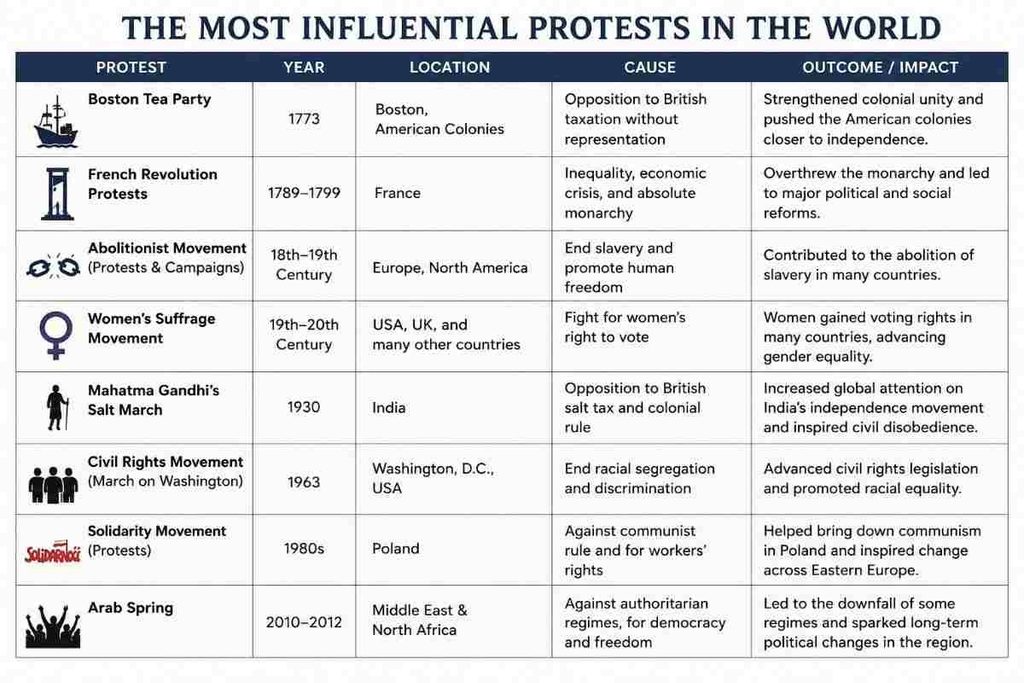
The most influential protests in world history are movements that significantly affected laws, political institutions, public debate or social attitudes. No short timeline can represent every region, but several examples demonstrate how protest methods evolved.
How Have Protest Tactics Changed Throughout History?
Protest tactics have expanded from petitions, assemblies and collective withdrawal to strikes, boycotts, marches, sit-ins, occupations, symbolic actions and digital mobilisation.
- New methods have generally supplemented older ones rather than replacing them.
- The twentieth-century television changed who could witness protest.
- A confrontation taking place on one street could reach millions of homes, making images of demonstrations and government responses part of national political debate.
Modern protest movements use methods including demonstrations, strikes, boycotts, sit-ins, civil disobedience, occupations, symbolic actions and most importantly, digital mobilisation.
How Has Technology Transformed Protests?
Technology has transformed protest from an activity centered primarily on physical gatherings into a continuous information battle in which protesters, governments, political groups, journalists, influencers and ordinary users can all compete to shape public perception.
- A movement can now gather momentum online before its participants ever assemble on a street.
- Social media has dramatically reduced the cost and time required to mobilise people.
- Users can circulate videos, coordinate meeting points, publish eyewitness accounts, raise funds and communicate with thousands of people almost instantly.
- A 2025 systematic review of 34 studies on student protest mobilisation in South African universities found that social media helped students disseminate information rapidly, broaden participation, decentralise organisation and attract international solidarity. (Source: Research Paper on ResearchGate)
- However, the same research identified misinformation, infiltration, weak coordination and short-lived ‘clicktivism’ among the risks of digitally organised student movements.
Technology has therefore not simply made protest easier. It has changed the information environment in which people decide whether, why and whom to protest.
How Has Social Media Changed the Way Protests Are organised?
Digital activism involves using online communication technologies to organize supporters, distribute information, document events, coordinate action, or advocate for political and social causes.
Social media dramatically reduces the time and cost required to spread information across large networks. For example, a 2024 survey of 10,019 Indians found that 42.3% received political messages on social media frequently or sometimes, while 41% expressed at least some trust in political messages encountered on these platforms. (Source: Lokniti-CSDS Survey, 2024)
However, digital mobilisation creates new vulnerabilities. Access Now documented at least 313 internet shutdowns across 52 countries in 2025, up from 304 in 2024 and 289 in 2023. (Read Access Now 2025 #KeepItOn Report)
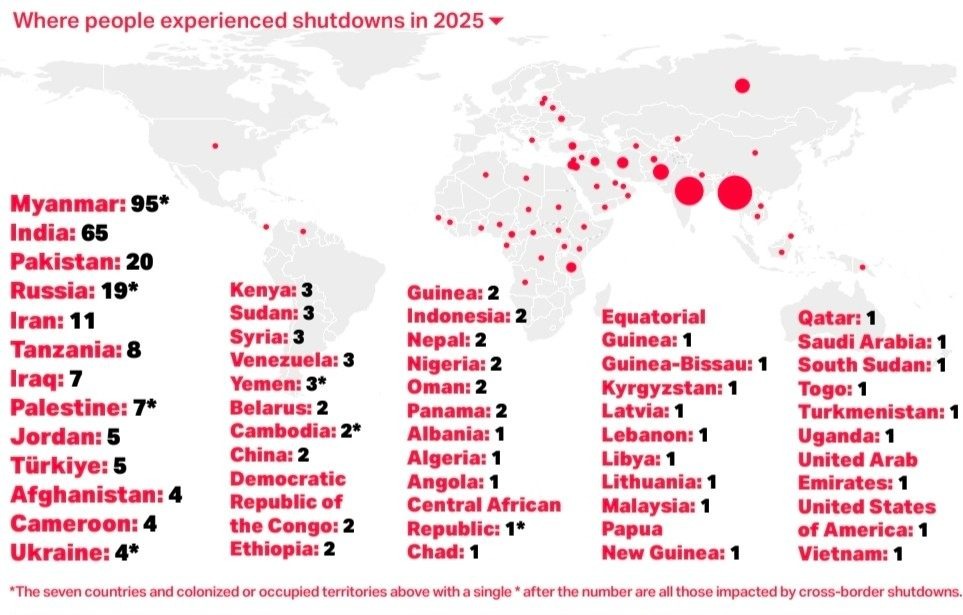
Image Credit: Access Now 2025 #KeepItOn Report
Whereas, Freedom House reported that people in at least 57 of the 72 countries it assessed were arrested or imprisoned for online expression during its 2025 coverage period.
Is the Algorithm Becoming an Invisible Participant in Modern Protests?
Social-media algorithms can influence protests indirectly by determining which grievances, images, arguments and emotional reactions receive the greatest visibility. This is a very important discussion relevant to today’s lifestyle, the importance placed on social media and the soft influencing power of social media.
- An algorithm does not need to tell someone what to believe to influence the information environment in which that belief develops.
- A 2026 Nature field experiment examining X found that exposure to the platform’s algorithmic feed produced measurable effects on some political attitudes and account-following behavior.
- Researchers did not find effects across every political measure, meaning the evidence does not support the simplistic claim that algorithms can simply ‘brainwash’ users. It will depend case to case.
- Digital platforms operate largely through engagement.
- Content provoking anger, fear, shock or moral outrage can generate rapid interaction, while careful explanations and corrections may travel more slowly.
- Several studies in recent times reveal that forwarded links were shared without the person first clicking through to the linked content.
- It has also been found that extreme and politically aligned material received more such ‘shares without clicks’.
- This compels us to question – How much of what people are reacting to have they actually examined?
The modern protester may therefore be responding not only to an event itself, but also to an algorithmically assembled picture of how thousands of other people appear to be responding to that event.
Also Read: The Life of a Samurai in Feudal Japan: History, Code of Honor, Daily Life, Weapons, and Legacy
Are Students Easily Influenced Into Joining Protests?
Students are not inherently gullible protesters, but young people can be exposed to the same psychological pressures, incomplete information and emotional manipulation that affect every other group online. The more important question is not whether students are easy to manipulate, but how they determine what is true before collective anger becomes collective action.
- Students have repeatedly been legitimate political actors throughout history.
- From anti-colonial movements and civil-rights campaigns to protests over education, employment and democratic rights, young people have often mobilised around genuine grievances.
- Dismissing student protesters as manipulated can therefore become a convenient way of avoiding the grievances they are raising.
- At the same time, a genuine grievance and information manipulation can exist simultaneously.
- A movement may begin organically but later attract misleading posts, political opportunism, fabricated evidence or competing attempts to control its narrative.
- Conversely, accusations that a movement is ‘engineered’ can themselves be used to delegitimize authentic dissent.
- This distinction is particularly important in the present Indian context.
- Recent student protests over examination and recruitment-related grievances have coincided with significant misinformation online.
- Several analysts found that the audios and videos had been altered, and that detection tools flagged the material as AI-manipulated.
- Meanwhile, Indian government fact-checkers have disputed other viral material purporting to show deaths or huge crowds connected with student demonstrations, describing some circulated visuals as old or AI-generated.
- Those government claims should themselves be treated as one evidentiary source rather than as an automatic substitute for independent verification.
- The existence of misinformation surrounding a protest does not prove that the protest itself is manufactured.
- Equally, the existence of a genuine grievance does not make every claim circulated in support of that grievance true.
That distinction should sit at the heart of any neutral examination of modern protest.
Can Protests Be Engineered to Create Political or Regime Change?
Protests can contribute to political or regime change, but digital coordination or rapid mass mobilisation is not concrete evidence by itself that a movement has been secretly engineered. Such claims are always difficult to verify, though they may or may not be true, but determining their authenticity will always remain a challenge. One can only suspect.
- Claims that a protest has been externally ‘scripted’ require evidence of deliberate coordination, financing, influence operations, fabricated information or comparable intervention.
- History provides plenty of examples in which authentic public grievances destabilised governments.
- Political actors may subsequently support, oppose, exploit or attempt to redirect those movements, but that does not mean that they created the original grievance.
- At the same time, information operations are real political tools.
- Governments, opposition groups, foreign actors, partisan networks and private organisations can all have incentives to influence public perception.
- Manipulation may involve selective information, coordinated accounts, fabricated documents, altered videos, misleading statistics or deliberately emotional narratives.
This means two apparently contradictory propositions can both be true:
- Grassroots protests can be genuine and spontaneous.
- Genuine protests can subsequently become targets of manipulation, exploitation or information warfare.
Has Protest Become a Battle for Perception?
Modern protest increasingly involves a battle over perception as well as a contest over policy, rights or political power. Whoever defines what happened, why it happened and who is responsible can influence how millions of people interpret the same event.
Let us briefly analyse:
- In earlier centuries, authorities might have concentrated primarily on controlling the street, while protesters concentrated on occupying it.
- Today, both sides may simultaneously contest the street, the camera and the algorithm.
- A photograph can become a symbol.
- A 15-second clip can define an incident while omitting what happened immediately before it.
- A hashtag can unite people who have never met.
- A false claim can provoke genuine anger.
- Conversely, citizen footage can expose misconduct that might otherwise have remained invisible.
The digital battlefield is powerful precisely because truthful information, legitimate activism, political persuasion and deliberate manipulation can travel through the same platforms and often look remarkably similar at first glance.
AI, Deepfakes and Manufactured Evidence
Psychological influence has always accompanied political conflict, but digital technology has increased the speed, scale and precision with which perceptions can be shaped.
- Propaganda once depended heavily on speeches, newspapers, posters, radio and television. Today, a persuasive or deceptive narrative can be delivered directly to millions of individual screens.
- Artificial intelligence adds another layer.
- Deepfake audio can make a public official appear to say something never said.
- Synthetic photographs can manufacture apparent evidence.
- Old footage can be recaptioned and presented as a current event.
- Coordinated accounts can make an opinion appear more widespread than it actually is.
The opposite problem is emerging too – real evidence can now be dismissed simply by claiming that it is AI-generated. The existence of convincing synthetic media therefore threatens trust in both fake and authentic evidence.
But Is Protest the Only Way to Change Society?
Protest is one way to demand change. But what happens when someone chooses to quietly create that change instead?
Across India today, grievances are spilling onto streets and campuses. Students, workers and other groups are raising their voices over issues they believe institutions must address. Their concerns deserve to be understood on their own merits. But, away from the demonstrations, slogans and constant battle over who is right and who is wrong, another kind of movement is unfolding almost silently.
It is called Annapurna Muhim, spearheaded by Jagatguru Tatvdarshi Sant Rampal Ji Maharaj. The initiative is not asking needy families what they can afford. It is asking what they need. Food, clothing, books, education, medical treatment and anything essential, including a roof over a family’s head. The assistance has progressively expanded across fundamental areas of everyday life and beneficiaries are not charged for the help provided.
But the movement has gone further. Its latest phase has turned towards small-scale farmers, many of whom struggle with the very costs that determine whether a crop survives or fails. Seeds, fertilisers, crop-protection products and other essential farming inputs are being provided according to need again absolutely free of cost to the beneficiaries.
The same approach extends beyond individual households. When genuine needs emerge in schools and communities, from basic infrastructure such as toilets to educational facilities and interactive screens, the underlying principle remains remarkably simple – identify what is missing and try to provide it.
That is what makes Annapurna Muhim particularly relevant in an article about the history of protests.
For centuries, people have marched because they lacked food, wages, rights, opportunity, representation or basic security. Protest attempts to force institutions to confront a problem. Annapurna Muhim presents a radically different model of social intervention. Sant Rampal Ji Maharaj leads this iconic social initiative with the aim that not a single person shall sleep hungry.
This is not an argument against protest. Nor does humanitarian work replace the responsibilities of governments or public institutions. Genuine grievances can require public scrutiny, political accountability and systemic reform.
But the contrast is difficult to ignore.
While one part of society is asking, ‘Who is responsible for fixing this?’ and several factions of the same society are always at war with each other. Sant Rampal Ji Maharaj is quietly asking who needs help and what needs to be fixed, and getting those solutions delivered within an unimaginably short timeline.
Such a generous movement deserves attention too. Because amid an age of protests, counter-protests, viral outrage and competing narratives, Sant Rampal Ji Maharaj’s Annapurna Muhim represents the most powerful form of social change – a movement that has actually transformed lives and continues to.
Some movements make history by raising their voices. Others may make history by ensuring that someone else’s cry for help no longer needs to be raised.
You too can be a part of this one-of-a-kind humanitarian movement, not by monetary contribution, but by learning and acknowledging the magnanimity of this cause and spreading this information as much as you can. Your one word, may change someone’s life forever.
Watch this eye-opening video to know more:
To know more about Jagatguru Tatvdarshi Sant Rampal Ji Maharaj’s initiatives, visit:
- Website: www.jagatgururampalji.org
- YouTube: Sant Rampal Ji Maharaj
- Facebook: Spiritual Leader Saint Rampal Ji
- ‘X’ handle: @SaintRampalJiM
FAQs: History of Protests
Q1) What is the history of protests?
Answer: The history of protests traces how people across civilizations have collectively challenged authority, injustice, policies and social conditions to demand change.
Q2) How has technology changed modern protests?
Answer: Technology has made protests faster to organize and amplify while also creating new risks involving misinformation, algorithmic influence and digital manipulation.
Q3) Can social change happen without protests?
Answer: Yes, social change can also emerge through direct humanitarian action, community initiatives and movements such as Annapurna Muhim that address people’s needs on the ground.