



Effective Do List: In today’s fast-paced world, staying organized can feel overwhelming, but an effective to-do list can be your secret weapon for boosting productivity and reducing stress. Unlike generic checklists that often get ignored, a well-crafted to-do list aligns with your goals, prioritizes tasks, and keeps you motivated. This guide explores proven strategies for task management, from selecting the right tools to overcoming common pitfalls like procrastination. Whether you’re juggling work, family, or personal projects, mastering this skill can transform your daily routine. Dive in to learn how to create a to-do list that you’ll actually use and stick with for lasting results.
- Why Traditional To-Do Lists Often Fail
- Lack of Specificity Creates Overwhelm
- Overcommitment Reduces Motivation
- Ignoring Habit Building Limits Long-Term Success
- Learning From These Mistakes
- Choosing the Right Tools for Your To-Do List
- Best Analog Tools for To-Do Lists (Notebooks & Planners)
- Best Digital Apps for To-Do Lists and Task Management
- Hybrid To-Do List Methods (Combining Digital and Paper)
- Features to Look for in an Effective To-Do List Tool
- Step-by-Step Guide to Creating Your To-Do List
- Brain Dump Your Tasks
- Prioritize Ruthlessly
- Break Tasks into Actionable Steps
- Assign Time Estimates and Deadlines
- Incorporate Flexibility and Reviews
- Incorporating Habits and Motivation into Your List
- Overcoming Procrastination with Your To-Do List
- Customizing To-Do Lists for Different Lifestyles
- Advanced Productivity Hacks for To-Do Lists
- Measuring Success and Iterating Your System
- Common Myths About To-Do Lists Debunked
- Real-Life Examples of Effective To-Do Lists
- Beyond the Checklist: Finding Meaning in Daily Tasks
- FAQs on Creating an Effective To-Do List
Why Traditional To-Do Lists Often Fail
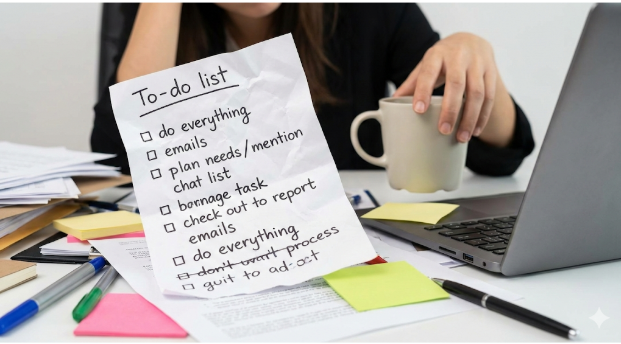
Many people start a to-do list with enthusiasm, only to abandon it after a few days. The issue isn’t task management itself-it’s how traditional to-do lists are created and used. When lists are vague, overloaded, or disconnected from real priorities, they quickly become overwhelming and demotivating.
Lack of Specificity Creates Overwhelm
One of the biggest reasons traditional to-do lists fail is unclear task descriptions. Writing broad tasks like “clean the house” may seem helpful, but without breaking them into smaller actions such as “vacuum the living room” or “organize kitchen cabinets,” the task feels too big to start. This lack of clarity increases mental strain and often leads to procrastination.
Overcommitment Reduces Motivation
Another common problem is trying to do too much in one day. People often overload their to-do lists without considering their energy levels or unexpected interruptions. When tasks remain unfinished, it creates feelings of guilt and failure. A realistic to-do list acknowledges time limits and focuses on what can actually be achieved.
Ignoring Habit Building Limits Long-Term Success
Traditional to-do lists usually focus only on tasks, not habits. Without progress tracking, rewards, or consistency, lists begin to feel like obligations rather than tools for improvement. When habit-building elements are missing, motivation fades quickly, and the list loses its purpose.
Learning From These Mistakes
Understanding why traditional to-do lists fail is the first step toward building a better system. By adding clarity, realism, and habit-focused strategies, a to-do list can become a powerful productivity tool instead of a source of stress.
Choosing the Right Tools for Your To-Do List
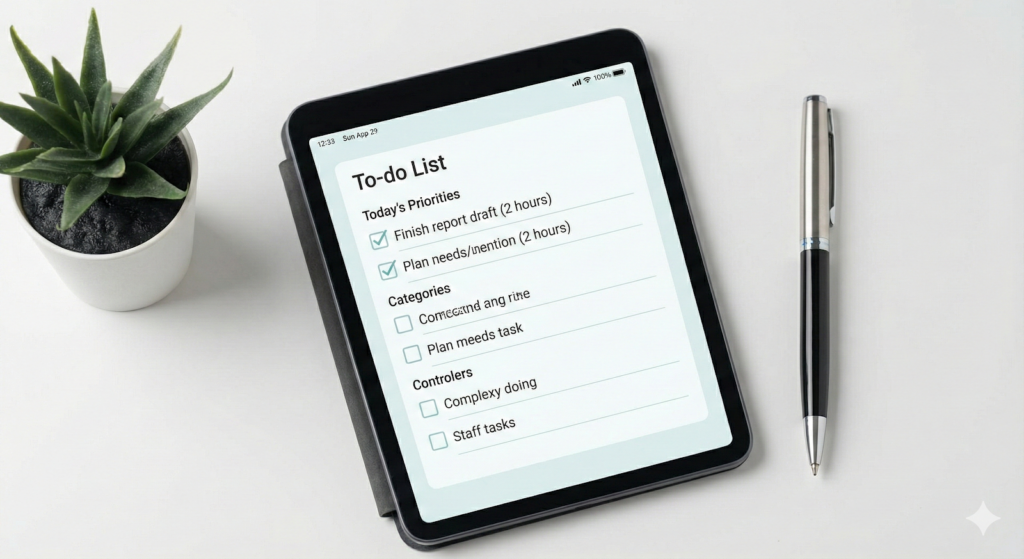
Selecting the right tool is the foundation of an effective to-do list. While pen-and-paper methods have their charm, digital task apps offer flexibility and automation. The ideal tool depends on your personal style, routine, and how you prefer to manage tasks.
Best Analog Tools for To-Do Lists (Notebooks & Planners)
For those who enjoy writing things down, analog tools like notebooks or daily planners create a calming, focused experience.
- The Bullet Journal: Allows full customization – letting you track goals, habits, and tasks all in one place.
- Best For: Creatives, students, or anyone who enjoys visual layouts and personalization.
Best Digital Apps for To-Do Lists and Task Management
Digital tools are perfect for tech-savvy users or busy professionals. Apps like Todoist and Microsoft To Do offer features including:
- Cross-device syncing
- Automatic reminders
- Task categorization and prioritization
- Calendar integration
These tools help ensure deadlines aren’t forgotten while keeping tasks organized and accessible anytime.
Hybrid To-Do List Methods (Combining Digital and Paper)
Some people benefit from using both analog and digital systems. A hybrid method might include brainstorming ideas in a physical notebook and then transferring key tasks into an app for mobile access and reminders. This approach offers the best of both worlds-creativity plus convenience.
Features to Look for in an Effective To-Do List Tool
When choosing a tool, make sure it includes helpful productivity features such as:
- Subtask creation
- Due dates and reminders
- Progress tracking
- Easy editing and organization
Experiment with different tools until one feels intuitive. The “right” tool is simply the one you will actually enjoy using every day.
Also Read: Improve Your Study Habits to Succeed
Step-by-Step Guide to Creating Your To-Do List
Building an effective to-do list isn’t rocket science, but it requires intention. Follow these steps to craft one that aligns with your goals and boosts productivity.
Brain Dump Your Tasks
Start by listing everything on your mind-work deadlines, errands, personal goals. This “brain dump” clears mental clutter, a technique rooted in productivity hacks like David Allen’s Getting Things Done method. Don’t judge or organize yet; just get it out.
Prioritize Ruthlessly
Not all tasks are equal. Use the Eisenhower Matrix to categorize by urgency and importance:
- Do Now: Urgent and important.
- Schedule: Important but not urgent.
- Delegate: Urgent but not important.
- Delete: Neither urgent nor important.
Focus on high-impact items that advance your long-term objectives, like career growth or health improvements.
Break Tasks into Actionable Steps
Large goals overwhelm, so divide them. Instead of “plan vacation,” list “research flights,” “book hotel,” and “create itinerary.” This makes progress tangible and combats procrastination by providing quick wins.
Assign Time Estimates and Deadlines
Realism is key in time management. Estimate how long each task takes and slot them into your day. Tools like Google Calendar can help visualize this, preventing overload.
Incorporate Flexibility and Reviews
Life happens, so build buffers for surprises. End each day with a review: what got done, what didn’t, and why? Adjust for tomorrow to refine your system.
By following these steps, your to-do list becomes a dynamic roadmap, not a static wishlist.
Incorporating Habits and Motivation into Your List
An effective to-do list goes beyond tasks-it’s a vehicle for habit building and sustained motivation.
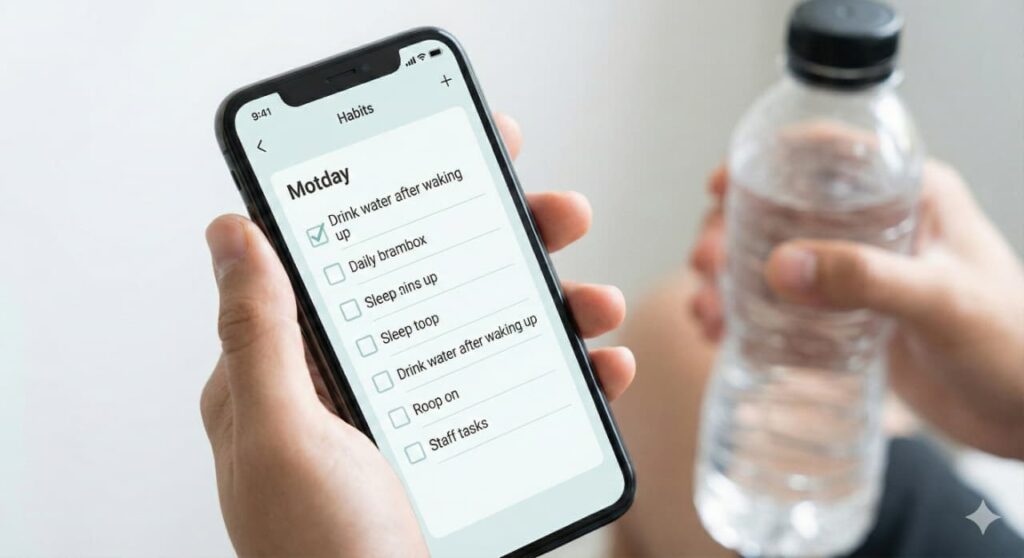
- Habit Stacking: Tie tasks to habits by pairing them, like listening to a podcast while exercising. This creates positive associations, making routines stickier.
- The Two-Minute Rule: If a task takes less than two minutes, do it immediately. This builds momentum.
- Reward Systems: Use rewards, like a coffee break after completing a section, to reinforce progress.
- Track Streaks: Use apps to visualize consistency, tapping into our love for patterns. Over time, this turns sporadic efforts into ingrained habits.
Overcoming Procrastination with Your To-Do List
Procrastination derails even the best plans, but your to-do list can be a powerful antidote. Identify triggers like fear of failure or perfectionism, then address them head-on.
- Time-Blocking: Allocate specific slots for tasks, treating them like appointments.
- The Pomodoro Technique: 25 minutes of focused work followed by a break builds discipline without burnout.
- Positive Reframing: Instead of “dreaded report,” think “advance my career.”
- Accountability: Partners or apps with sharing features add external motivation.
Regularly audit your list for “shoulds” versus “wants”-eliminate guilt-inducing items that don’t serve you. With practice, your list becomes a procrastination-buster.
Also Read: How to Avoid Procrastination: A Guide to Maximizing Productivity and Achieving Goals
Customizing To-Do Lists for Different Lifestyles
No one-size-fits-all; tailor your to-do list to your life stage.
| Lifestyle | Best Practice | Recommended Tools |
| Professionals | Integrate with team collaboration metrics. | Trello, Asana |
| Parents | Use family-shared lists for chores/meal prep. | Any.do, Cozi |
| Students | Semester overviews broken into daily bites. | Notion, Google Calendar |
| Freelancers | Use tags for client projects and varied workloads. | Todoist, ClickUp |
Regardless of your role, incorporate self-care tasks to prevent burnout and ensure balance in your routine.
Advanced Productivity Hacks for To-Do Lists
Elevate your game with these expert hacks:
- Eat the Frog: Tackle the toughest task first thing in the morning.
- Batching: Group similar tasks (e.g., emails, calls) to minimize context switching.
- AI Integration: Leverage AI tools for smart suggestions, but maintain manual control for personalization.
- Theme Days: Use weekly themes like “Admin Monday” or “Deep Work Wednesday.”
- SMART Goals: Ensure tasks are Specific, Measurable, Achievable, Relevant, and Time-bound.
Measuring Success and Iterating Your System
Productivity is an evolving process.
- Track Metrics: Monitor completion rates or time saved to gauge effectiveness.
- Journal Reflections: Ask yourself: What energized you? What drained you?
- Iterate: Switch apps or refine prioritization based on your insights.
Celebrate milestones to maintain motivation; small wins compound. Over time, your to-do list becomes second nature for sustained productivity.
Common Myths About To-Do Lists Debunked
Myth: Longer lists mean more productivity.
Truth: Quality over quantity prevents overwhelm.
Myth: Digital is always better.
Truth: Analog works for many, fostering creativity.
Myth: Lists kill spontaneity.
Truth: They free mental space for fun.
Dispelling these ensures you use lists wisely.
Real-Life Examples of Effective To-Do Lists
- Sarah (Marketer): Switched to prioritized digital lists and doubled output.
- Mike (Parent): Used family apps to balance home and work chores effectively.
These stories show that adaptability leads to success.
Beyond the Checklist: Finding Meaning in Daily Tasks
As we wrap up these practical strategies for building a productive to-do list, it’s important to recognize how everyday organization reflects larger values of discipline and purpose. According to the teachings of Sant Rampal Ji Maharaj, true productivity goes beyond simply completing tasks-it comes from spiritual clarity, positive actions, and a peaceful mindset. When we practice devotion to the Supreme God Kabir and follow true spiritual knowledge, we create balance in our lives that naturally increases focus, motivation, and emotional well-being.
Avoiding unhealthy habits like procrastination and choosing kindness and ethical living help us align our goals with a higher purpose. Success is most meaningful when it supports both worldly achievements and spiritual growth. With this mindset, a daily to-do list becomes more than just a task manager-it becomes a tool for holistic wellness, reinforcing unity, good karmas, and a life guided by truth.
FAQs on Creating an Effective To-Do List
1.What makes an effective to-do list different from a regular one?
An effective to-do list prioritizes tasks, breaks them down, and includes deadlines, unlike vague regular lists that lead to procrastination.
2.How can I create a to-do list that I won’t abandon?
Start small, use tools like apps or planners, review daily, and tie tasks to habits for better motivation and consistency.
3.What are the best apps for task management?
Popular options include Todoist for prioritization, Trello for visual boards, and Google Keep for simple notes-choose based on your needs.
4.How do I overcome procrastination with my to-do list?
Use techniques like Pomodoro, start with easy tasks, and reframe items positively to build momentum and reduce overwhelm.
5.Can to-do lists help with long-term goal setting?
Yes, by breaking goals into daily actions and tracking progress, to-do lists align short-term efforts with bigger objectives for sustained success