


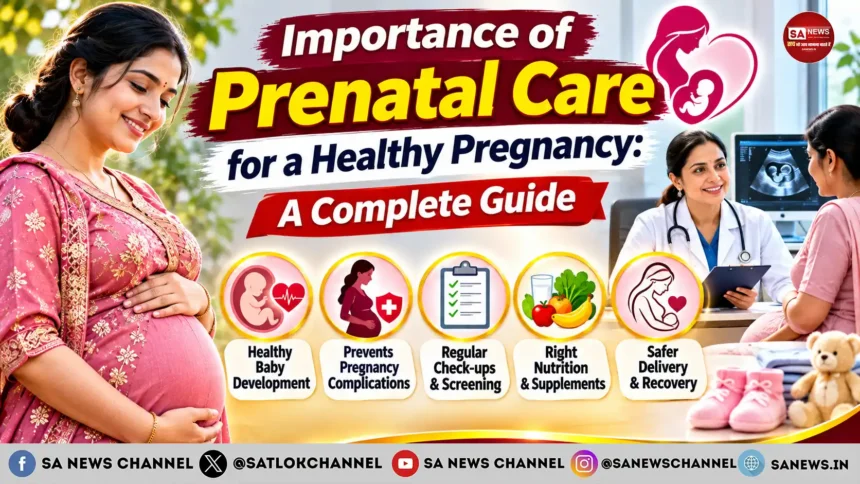
A healthy pregnancy is not just about waiting nine months for the arrival of a baby; it is about taking the right steps to protect the health of both mother and child throughout this important journey. Prenatal care, also known as antenatal care, plays a vital role in ensuring a safer pregnancy, identifying potential health complications at an early stage and preparing women for childbirth. Regular medical check-ups, proper nutrition, timely vaccinations, necessary diagnostic tests and emotional support can make a significant difference in pregnancy outcomes. Health experts emphasise that timely prenatal care should be accessible to every pregnant woman, regardless of her economic background or geographical location.
- A Healthy Beginning Starts with Proper Pregnancy Care
- What Is Prenatal Care and Why Is It Necessary?
- 1. Early Registration of Pregnancy Is Extremely Important
- 2. Regular Medical Check-ups Help Monitor Maternal Health
- 3. Ultrasound Scans Help Monitor Baby’s Development
- 4. Proper Nutrition Is Essential for Mother and Baby
- 5. Iron and Folic Acid Supplements Help Prevent Nutritional Deficiencies
- 6. Vaccination Protects Both Mother and Newborn
- 7. Identifying High-Risk Pregnancy at an Early Stage
- 8. Understanding the Importance of Different Pregnancy Trimesters
- 9. Mental Health During Pregnancy Deserves Equal Attention
- 10. The Role of Husbands and Family Members in Prenatal Care
- 11. Recognising Warning Signs During Pregnancy
- 12. Importance of Maintaining Personal Hygiene During Pregnancy
- 13. Physical Activity and Adequate Rest Are Both Important
- 14. Preparing for Delivery Through Prenatal Education
- 15. Government Initiatives Promoting Safe Motherhood in India
- 16. Challenges Faced by Pregnant Women in Rural Areas
- 17. Why Skipping Prenatal Check-ups Can Be Risky
- 18. WHO Recommendations: Regular Antenatal Contacts Matter
- 19. The Importance of Prenatal Education and Awareness
- 20. Every Mother Deserves Respect, Care and Medical Support
- Role of Sant Rampal Ji Maharaj in Promoting Humanity and Social Welfare
- Final Thoughts: Prenatal Care Is an Investment in Two Lives
- Frequently Asked Questions (FAQs)
A Healthy Beginning Starts with Proper Pregnancy Care
Pregnancy is one of the most significant experiences in a woman’s life. It brings happiness, excitement, expectations and several physical and emotional changes. As the baby develops inside the mother’s womb, her body undergoes numerous changes to support the growing baby. Throughout the approximately 40 weeks of pregnancy, the mother’s health plays an important role in the development and well-being of the baby.
However, pregnancy is not always free from challenges. Some women experience nausea, vomiting, fatigue, back pain, anaemia, high blood pressure, gestational diabetes and other health-related problems. While some of these changes are common, others may require medical attention. This is where prenatal care becomes extremely important.
Prenatal care refers to the medical attention, guidance and support a woman receives before the birth of her baby. It begins as soon as pregnancy is confirmed and continues until childbirth. It includes regular consultations with qualified healthcare professionals, monitoring the mother’s health, monitoring the baby’s development, conducting necessary tests and providing advice about nutrition and lifestyle.
According to the World Health Organization (WHO), antenatal care is an essential part of quality maternal healthcare. It provides opportunities to identify potential complications, prevent certain health problems and support women throughout pregnancy.
The importance of prenatal care goes beyond medical examinations. It also helps expecting mothers understand their bodies, recognise warning signs, make informed decisions and prepare themselves mentally and physically for delivery.
What Is Prenatal Care and Why Is It Necessary?
Prenatal care is a planned healthcare programme designed to monitor the health of a pregnant woman and her developing baby.
During pregnancy, many changes occur that cannot always be identified through physical symptoms alone. For example, high blood pressure may develop without noticeable warning signs, while anaemia may gradually affect a woman’s energy levels and overall health.
Regular prenatal check-ups help healthcare professionals identify such conditions before they become more serious.
The main objectives of prenatal care include:
- Monitoring the mother’s physical health throughout pregnancy.
- Checking the growth and development of the unborn baby.
- Identifying high-risk pregnancies at an early stage.
- Detecting anaemia, gestational diabetes and high blood pressure.
- Providing appropriate nutritional advice and supplements.
- Monitoring fetal movements and the fetal heartbeat when appropriate.
- Preparing women for labour and childbirth.
- Providing emotional support and pregnancy-related counselling.
Prenatal care also gives pregnant women an opportunity to discuss their concerns with doctors. Whether the concern is related to abdominal pain, unusual discharge, difficulty sleeping, reduced fetal movements or changes in appetite, medical guidance can help women understand what is normal and what requires attention.
Regular check-ups should therefore be considered an essential part of pregnancy rather than an optional activity.
1. Early Registration of Pregnancy Is Extremely Important
One of the most important steps towards a healthy pregnancy is registering with a healthcare facility as early as possible.
Many women wait until they experience noticeable physical changes before visiting a doctor. However, medical professionals recommend seeking pregnancy-related healthcare early, ideally during the first trimester.
An early consultation helps doctors understand the woman’s medical history, previous pregnancies, existing health conditions and any medications she may be taking.
During the first appointment, healthcare professionals may discuss:
- The date of the last menstrual period.
- Expected delivery date.
- Previous pregnancy or miscarriage history.
- Existing medical conditions.
- Family medical history.
- Current medicines and supplements.
- Nutritional habits and lifestyle.
Early registration also provides an opportunity to identify conditions that may affect pregnancy, such as diabetes, thyroid disorders, hypertension and nutritional deficiencies.
Women who begin prenatal care early are more likely to receive timely advice about folic acid, nutrition, vaccinations and necessary medical investigations. Folic acid supplementation is particularly important before conception and during the early weeks of pregnancy because it helps reduce the risk of neural tube defects in the developing baby.
It is important to remember that women who have missed early appointments should not feel discouraged. Starting prenatal care later is still beneficial, and they should contact a healthcare professional as soon as possible.
2. Regular Medical Check-ups Help Monitor Maternal Health
Regular medical examinations are among the most important components of prenatal care.
A pregnant woman’s health can change throughout the nine months. Therefore, doctors need to monitor different health parameters to ensure that the pregnancy is progressing appropriately.
During routine antenatal visits, healthcare professionals may check:
Blood Pressure: Monitoring blood pressure helps identify hypertension and possible pregnancy-related complications, including pre-eclampsia.
Body Weight: Weight monitoring helps doctors assess nutritional status and understand whether weight gain is appropriate for the stage of pregnancy.
Haemoglobin Levels: Blood tests help identify anaemia, which is a common concern among pregnant women. Severe or untreated anaemia may increase the risk of complications.
Urine Examination: Urine tests may help identify urinary tract infections, proteinuria and other abnormalities. Blood glucose testing is used to screen for gestational diabetes according to the recommended clinical protocol.
Abdominal Examination: Doctors may examine the abdomen to assess uterine growth and the baby’s position as pregnancy progresses.
Fetal Heartbeat: Checking the fetal heartbeat at appropriate stages provides information about the baby’s cardiac activity. It is considered alongside other clinical assessments to evaluate fetal well-being.
These examinations provide valuable information about the pregnancy and help doctors decide whether additional investigations or medical treatment are required.
Not every test listed in this section is necessarily performed at every antenatal appointment. The frequency depends on the pregnancy stage and individual medical requirements.
3. Ultrasound Scans Help Monitor Baby’s Development
Ultrasound examinations are an important part of pregnancy monitoring. They use sound waves to create images of the developing baby inside the uterus.
These scans provide information about the baby’s growth, position, heartbeat, number of babies and certain structural features.
Depending on the pregnancy and medical requirements, doctors may recommend different ultrasound examinations.
Early Pregnancy Ultrasound:
An early ultrasound may help confirm the location of the pregnancy, estimate gestational age and identify whether the pregnancy is developing inside the uterus.
Nuchal Translucency Scan:
The NT scan is generally performed between 11 weeks and 13 weeks and 6 days of pregnancy. It measures the fluid-filled space at the back of the baby’s neck.
Along with maternal blood tests and other factors, it helps assess the possibility of certain chromosomal conditions.
Anomaly Scan:
The anomaly scan is usually performed between 18 and 22 weeks of pregnancy. It examines the baby’s developing organs and major body structures.
It can help identify certain structural abnormalities involving the brain, spine, heart, kidneys, limbs and other organs.
Growth Scan:
A growth scan may be recommended during the later stages of pregnancy to assess the baby’s estimated weight, growth pattern, amniotic fluid levels and other important parameters.
Colour Doppler Ultrasound:
In certain pregnancies, doctors may recommend a Colour Doppler examination to assess blood flow in specific blood vessels, including those associated with the placenta and baby.
It may help evaluate placental circulation and identify certain conditions that require closer monitoring.
However, not every pregnant woman needs every type of ultrasound scan. The number and timing of scans should be determined according to individual medical requirements.
The WHO recommends at least one ultrasound examination before 24 weeks of pregnancy to estimate gestational age, identify multiple pregnancies and improve the detection of certain fetal conditions.
4. Proper Nutrition Is Essential for Mother and Baby
Nutrition plays a major role in maintaining maternal health and supporting the baby’s growth.
During pregnancy, the body requires additional nutrients to support the development of the placenta, baby’s organs, bones, muscles and nervous system.
A balanced diet should include different food groups rather than depending on only a few selected foods.
Some important nutritional components include:
Protein: Protein supports the growth and development of the baby’s tissues. Milk, pulses, beans, eggs, paneer, nuts and other protein-rich foods can be included according to individual dietary preferences.
Iron: Iron helps the body produce haemoglobin, which carries oxygen through the blood. Iron deficiency can lead to anaemia and may affect maternal health.
Calcium: Calcium is important for the development of the baby’s bones and teeth. Milk, curd, paneer, ragi and certain green leafy vegetables are useful dietary sources.
Folic Acid: Folic acid is particularly important before conception and during the early weeks of pregnancy because adequate intake helps reduce the risk of neural tube defects in the developing baby.
Vitamin D: Vitamin D supports calcium absorption and contributes to bone health.
Fibre: Fruits, vegetables, whole grains and pulses provide dietary fibre, which can help prevent constipation.
Healthy Fats: Appropriate amounts of healthy fats support the baby’s growth and development.
Pregnant women should also drink sufficient safe water throughout the day.
A balanced diet does not mean eating excessively. Nutritional requirements differ according to a woman’s health, body weight, pregnancy stage and medical history.
Doctors may recommend additional supplements when dietary intake alone is insufficient.
5. Iron and Folic Acid Supplements Help Prevent Nutritional Deficiencies
Anaemia is an important maternal health concern, particularly in countries where nutritional deficiencies are common.
During pregnancy, the body’s blood volume increases to support the developing baby. This increases the demand for iron.
When the body does not receive sufficient iron, haemoglobin levels may fall, resulting in iron-deficiency anaemia.
Common symptoms may include:
- Excessive tiredness.
- Weakness.
- Dizziness.
- Pale skin.
- Breathlessness.
- Difficulty performing everyday activities.
However, these symptoms are not specific to anaemia and should be medically evaluated.
Healthcare professionals commonly recommend iron and folic acid supplementation during pregnancy according to established guidelines and individual requirements. In India, under the Anaemia Mukt Bharat programme, pregnant women are provided daily iron and folic acid supplementation from the second trimester, generally continuing for at least 180 days during pregnancy and 180 days after delivery. The standard prophylactic tablet contains 60 mg elemental iron and 500 micrograms of folic acid. The dosage may differ for women diagnosed with anaemia and should be determined by healthcare professionals.
Folic acid is especially important before conception and during the early weeks of pregnancy because the baby’s neural tube develops during this period.
Pregnant women should take prescribed supplements regularly and should not change their dosage or stop them without consulting their doctor.
If iron tablets cause nausea, constipation or stomach discomfort, the doctor may suggest ways to improve tolerance or recommend an alternative formulation.
6. Vaccination Protects Both Mother and Newborn
Vaccination is another important component of prenatal care.
Certain infections can cause serious health problems during pregnancy and may also affect the newborn baby.
Vaccines recommended during pregnancy help protect mothers and, in some cases, provide antibodies that offer protection to babies during their early months of life.
In India, Td (Tetanus and adult Diphtheria) vaccination is an important component of antenatal care. Pregnant women are generally advised to receive two Td doses during pregnancy, or a booster dose when indicated by their previous vaccination history. The schedule should be followed according to current government guidelines and medical advice.
Pregnant women should discuss their vaccination records with their doctors rather than taking injections without medical guidance.
Vaccination decisions should always follow the current national recommendations and individual medical assessment.
7. Identifying High-Risk Pregnancy at an Early Stage
Not every pregnancy follows the same pattern. Some women may have additional medical conditions or pregnancy-related complications that require specialised attention.
Such pregnancies are often described as high-risk pregnancies.
A high-risk pregnancy does not necessarily mean that something bad will happen. It means that the mother or baby may need additional monitoring and medical support.
Some factors associated with high-risk pregnancy include:
- High blood pressure.
- Gestational diabetes.
- Severe anaemia.
- Thyroid disorders.
- Multiple pregnancy, such as twins or triplets.
- Previous pregnancy complications.
- Certain kidney or heart conditions.
- Placental abnormalities.
- Some fetal growth-related concerns.
- Pregnancy during adolescence or at an advanced maternal age, particularly 35 years or older.
Early identification allows doctors to develop an appropriate care plan.
For example, a pregnant woman with gestational diabetes may require regular blood sugar monitoring and dietary management. A woman with high blood pressure may need more frequent medical examinations.
Similarly, certain fetal growth or placental concerns may require additional ultrasound examinations or Doppler studies.
Under the Government of India’s Pradhan Mantri Surakshit Matritva Abhiyan (PMSMA), pregnant women receive assured, comprehensive and free antenatal check-ups at designated government health facilities on the ninth of every month, particularly during the second and third trimesters. Extended PMSMA also strengthens follow-up and monitoring of high-risk pregnancies.
8. Understanding the Importance of Different Pregnancy Trimesters
Pregnancy is generally divided into three trimesters. Each stage brings different developmental changes and healthcare requirements.
First Trimester: The Foundation of Pregnancy
The first trimester covers approximately the first 12 weeks.
During this period, the baby’s major organs and body structures begin developing.
Pregnant women may experience:
- Nausea and vomiting.
- Breast tenderness.
- Fatigue.
- Frequent urination.
- Food cravings.
- Mood changes.
- Sensitivity to certain smells.
Early prenatal care during this period is important for pregnancy confirmation, estimating the delivery date, nutritional guidance and identifying possible health risks.
Second Trimester: A Period of Significant Growth
The second trimester generally covers weeks 13–27.
Many women experience some relief from early pregnancy symptoms during this period.
The baby’s body continues developing, movements may become noticeable and the abdomen gradually increases in size.
Important medical care during this stage may include an anomaly scan, blood investigations, monitoring of maternal weight and blood pressure, and screening for gestational diabetes, generally around 24–28 weeks of pregnancy.
Third Trimester: Preparing for Childbirth
The third trimester begins at approximately 28 weeks and continues until delivery.
During this stage, the baby gains weight and continues developing important organs.
The mother may experience:
- Back pain.
- Increased abdominal pressure.
- Frequent urination.
- Difficulty sleeping.
- Leg discomfort.
- Breathlessness.
- Swelling in certain areas.
Regular check-ups become particularly important during this stage.
Doctors monitor the baby’s growth, position, movements and maternal health while discussing delivery preparations.
Pregnant women should also understand the warning signs of labour and know where to seek emergency medical assistance.
9. Mental Health During Pregnancy Deserves Equal Attention
Pregnancy is not only a physical experience; it is also an emotional journey.
An expecting mother may experience happiness, excitement, fear, anxiety and uncertainty, sometimes within the same day.
Concerns about the baby’s health, delivery pain, financial responsibilities and changes in family life can affect emotional well-being.
Hormonal changes and physical discomfort may also influence mood and sleep.
Unfortunately, emotional health does not always receive the same attention as physical health.
Prenatal care should include discussions about mental well-being.
Pregnant women should feel comfortable discussing their emotions with healthcare professionals and family members.
Some helpful measures include:
Open Communication: Talking to a trusted family member or partner can help reduce feelings of isolation.
Adequate Sleep: Proper rest supports physical and emotional health.
Relaxation: Meditation, breathing exercises and other safe relaxation practices may help manage everyday stress.
Physical Activity: Appropriate physical activity, such as walking, may support overall well-being when approved by a healthcare professional.
Professional Support: Persistent sadness, excessive anxiety, panic or difficulty managing daily activities should not be ignored. Professional mental health support can make a meaningful difference. Emotional and mental health support should also continue after childbirth, as some women may experience postnatal depression or anxiety.
A pregnant woman should never feel ashamed of asking for emotional support.
10. The Role of Husbands and Family Members in Prenatal Care
Although the mother experiences the physical changes of pregnancy, family support can make the journey easier and healthier.
A supportive husband and family can help an expecting mother feel emotionally secure.
The role of family members should not be limited to arranging hospital visits or purchasing medicines. They should also understand the physical and emotional changes associated with pregnancy.
Some meaningful ways families can provide support include:
- Accompanying the pregnant woman to medical appointments.
- Helping her follow medical advice.
- Ensuring that she receives nutritious food.
- Sharing household responsibilities.
- Providing sufficient time for rest.
- Listening patiently to her concerns.
- Supporting her decisions regarding healthcare.
- Helping arrange transportation for medical emergencies.
The husband’s support is particularly valuable because pregnancy can involve uncertainty and anxiety about childbirth.
A caring environment can help reduce unnecessary stress and make the expecting mother feel that she is not alone.
Family members should also avoid pressuring pregnant women with traditional beliefs, unnecessary restrictions or frightening stories about childbirth.
Medical decisions should be based on professional advice rather than rumours or unverified information.
11. Recognising Warning Signs During Pregnancy
One of the most valuable benefits of prenatal education is that it helps pregnant women recognise symptoms that require immediate medical attention.
Although several discomforts are common during pregnancy, certain symptoms should never be ignored.
Important warning signs include:
Vaginal Bleeding: Any vaginal bleeding during pregnancy requires prompt medical assessment.
Severe Abdominal Pain: Persistent or severe abdominal pain requires medical evaluation.
Severe Headache: A severe or persistent headache, especially with blurred vision or sudden swelling, may indicate a serious complication.
Reduced Baby Movements: A noticeable reduction or change in the baby’s usual movement pattern requires immediate assessment. Women should follow their doctor’s instructions regarding fetal movement monitoring.
Fluid Leakage: A sudden gush or continuous leakage of fluid from the vagina may indicate that the waters have broken.
Difficulty Breathing: Severe or sudden breathlessness, particularly when accompanied by chest pain, dizziness or fainting, requires emergency medical attention.
Fever: Fever during pregnancy may indicate an infection and should be medically assessed.
Severe Vomiting: Persistent vomiting that prevents a woman from keeping fluids down can lead to dehydration.
Seizures or Loss of Consciousness: These are medical emergencies and require immediate assistance.
Women should not wait for their next scheduled antenatal appointment if they experience serious warning signs such as vaginal bleeding, severe abdominal pain, reduced fetal movements, severe headache with visual disturbances, fluid leakage or seizures.
12. Importance of Maintaining Personal Hygiene During Pregnancy
Maintaining personal hygiene is another important part of a healthy pregnancy.
Changes in hormones and bodily functions may make pregnant women more sensitive to certain infections.
Simple hygiene practices can help maintain comfort and reduce the risk of illness.
These include:
- Washing hands regularly with soap.
- Drinking clean and safe water.
- Eating properly washed fruits and vegetables.
- Avoiding improperly cooked food.
- Maintaining oral hygiene.
- Wearing clean and comfortable clothes.
- Keeping the genital area clean and dry.
- Avoiding self-medication for infections.
Pregnant women should seek medical advice if they experience burning during urination, unusual vaginal discharge, itching or fever.
They should also avoid taking antibiotics or other medicines without consulting a qualified healthcare professional.
13. Physical Activity and Adequate Rest Are Both Important
Many women believe that complete bed rest is necessary throughout pregnancy. However, this is not true for every woman.
For women with uncomplicated pregnancies, moderate physical activity is generally encouraged.
Activities such as walking, pregnancy-safe exercises and certain prenatal yoga practices may support physical fitness and improve overall well-being.
However, exercise recommendations should be based on individual health conditions and medical advice.
Women with certain pregnancy complications may need to avoid specific activities.
Adequate rest is equally important.
As pregnancy progresses, the growing abdomen may make it difficult to find a comfortable sleeping position. Doctors may suggest suitable sleeping positions and other measures to improve comfort.
Pregnant women should avoid excessive physical strain and should not lift heavy objects if advised against doing so.
The goal is to maintain a healthy balance between physical activity and rest.
14. Preparing for Delivery Through Prenatal Education
Prenatal care also prepares women for the final stage of pregnancy: childbirth.
Many first-time mothers have questions about labour, delivery pain, hospital admission and newborn care.
Proper counselling can help them understand what to expect.
Important delivery preparations include:
Choosing a Healthcare Facility: Women should identify a suitable hospital or healthcare centre where emergency obstetric services are available.
Understanding Delivery Options: Doctors can explain normal vaginal delivery, assisted delivery and Caesarean section, depending on the medical situation.
Preparing Important Documents: Medical reports, ultrasound records, blood group information and pregnancy-related documents should be organised.
Arranging Transportation: Families should plan how to reach the hospital, especially during emergencies.
Identifying Emergency Contacts: Important telephone numbers should be readily available.
Preparing for Newborn Care: Parents should learn about breastfeeding, newborn hygiene, vaccination and essential post-delivery care.
A birth plan can help families organise these arrangements. However, delivery decisions may change depending on the mother’s and baby’s health.
The ultimate priority should always be a safe delivery.
15. Government Initiatives Promoting Safe Motherhood in India
Improving maternal health is an important public health priority in India.
Several government initiatives aim to ensure that pregnant women receive timely medical attention, nutritional support and safe delivery services.
Pradhan Mantri Surakshit Matritva Abhiyan (PMSMA)
Under PMSMA, pregnant women receive assured, comprehensive and free antenatal check-ups at designated government health facilities on the ninth of every month, particularly during the second and third trimesters. Extended PMSMA also strengthens follow-up and monitoring of high-risk pregnancies.
Janani Suraksha Yojana (JSY)
Janani Suraksha Yojana is a safe motherhood initiative that encourages institutional deliveries, particularly among eligible pregnant women from disadvantaged communities.
Its objective is to reduce maternal and newborn mortality by promoting access to skilled birth attendance and healthcare facilities.
Pradhan Mantri Matru Vandana Yojana (PMMVY)
PMMVY provides financial assistance to eligible pregnant and lactating women to support maternal and child health and nutrition. Benefits are available for the first child and, subject to eligibility conditions, for the second child if the child is a girl.
It aims to support maternal health and nutrition while encouraging appropriate health-seeking behaviour.
Universal Immunisation Programme
The Universal Immunisation Programme includes vaccination services for pregnant women and children.
Vaccination during pregnancy, according to the recommended schedule, helps protect mothers and newborn babies against certain vaccine-preventable diseases.
These initiatives highlight the importance of making maternal healthcare accessible, particularly in rural and economically weaker communities.
16. Challenges Faced by Pregnant Women in Rural Areas
Despite improvements in healthcare facilities, many pregnant women in rural areas continue to face difficulties in accessing quality prenatal care.
Distance from hospitals, transportation problems, financial limitations and a shortage of healthcare professionals can affect regular medical check-ups.
In some communities, a lack of awareness also prevents women from seeking medical attention at the appropriate time.
Traditional beliefs and misconceptions may sometimes discourage women from undergoing necessary examinations.
For example, some women may believe that ultrasound examinations are harmful to the baby or that medical check-ups are necessary only when symptoms appear.
Such misconceptions need to be addressed through proper health education.
Community health workers, Accredited Social Health Activists (ASHAs), Auxiliary Nurse Midwives (ANMs) and government healthcare centres play an important role in spreading awareness.
Public awareness programmes should encourage early pregnancy registration, regular antenatal check-ups, institutional deliveries and timely medical referrals.
Improving healthcare infrastructure in rural areas is equally important.
Every pregnant woman deserves access to qualified medical professionals, essential diagnostic facilities and emergency transportation, irrespective of where she lives.
17. Why Skipping Prenatal Check-ups Can Be Risky
Some pregnant women miss medical appointments because they feel healthy or believe that everything is progressing normally.
However, the absence of noticeable symptoms does not always mean that there are no underlying health concerns.
Certain pregnancy complications develop gradually and may initially remain unnoticed.
For example, gestational diabetes may not cause obvious symptoms, while pregnancy-related hypertension may also remain undetected without regular blood pressure monitoring.
Missing appointments can delay the identification of these conditions.
It may also result in missed opportunities for vaccinations, nutritional counselling, laboratory investigations and fetal growth assessment.
This does not mean that every missed appointment will lead to a complication. However, regular prenatal care increases the chances of identifying problems at an appropriate time.
Women who have missed appointments should reconnect with their healthcare providers and follow an updated care schedule.
18. WHO Recommendations: Regular Antenatal Contacts Matter
The World Health Organization has highlighted the importance of regular and quality antenatal care.
According to its recommendations, pregnant women should have a minimum of eight antenatal contacts with healthcare providers during pregnancy.
The purpose of these contacts is not simply to increase the number of hospital visits. Each contact should provide meaningful medical assessment, information, counselling and support.
WHO has reported that eight or more antenatal contacts can reduce perinatal deaths by up to eight per 1,000 births compared with a model involving only four visits.
The recommendations also emphasise maternal nutrition, physical activity, preventive healthcare and monitoring of fetal development.
The exact schedule and services available may vary according to national healthcare guidelines and individual medical requirements.
19. The Importance of Prenatal Education and Awareness
Medical facilities alone cannot ensure healthy pregnancies. Awareness among pregnant women and their families is equally important.
Women should have access to accurate information about pregnancy, nutrition, physical changes, medical examinations and warning signs.
Prenatal education helps women understand why particular tests are recommended and how prescribed medicines contribute to maternal and fetal health.
It also helps them avoid misinformation circulating through social media and other unofficial sources.
For example, pregnancy-related advice shared by friends or relatives may not be appropriate for every woman.
A remedy that works for one person may be unsuitable for another.
Similarly, pregnant women should not stop prescribed medicines or avoid necessary medical examinations based on online rumours.
Qualified healthcare professionals should remain the primary source of medical guidance.
Hospitals, government health centres, community organisations and educational institutions can work together to spread awareness about safe motherhood.
20. Every Mother Deserves Respect, Care and Medical Support
Pregnancy brings significant changes to a woman’s daily life. She may need to adjust her eating habits, sleeping patterns, physical activities and household responsibilities.
In many families, pregnant women continue managing household work while dealing with physical discomfort.
Sometimes their health concerns are dismissed as normal pregnancy problems.
This attitude needs to change.
A pregnant woman deserves proper nutrition, adequate rest, timely medical care and emotional understanding.
Her health should not be treated as a secondary priority.
Husbands, parents, in-laws and other family members should understand that supporting an expecting mother is an important responsibility.
Even small acts of kindness, such as accompanying her to a medical appointment, helping with household activities or listening to her concerns, can make a meaningful difference.
Safe motherhood is not solely the responsibility of the pregnant woman. It is a shared responsibility of families, healthcare professionals, communities and society.
Role of Sant Rampal Ji Maharaj in Promoting Humanity and Social Welfare
Along with medical awareness and healthcare initiatives, the importance of compassion, humanity and social responsibility cannot be overlooked. Sant Rampal Ji Maharaj emphasizes the values of humanity, selfless service and helping people in need. His followers participate in various welfare activities aimed at supporting underprivileged families and improving the lives of people facing difficult circumstances.
Through initiatives such as the Annapurna Muhim, efforts are made to provide food to needy families, while other humanitarian activities focus on providing assistance during natural disasters and helping communities facing essential resource shortages. Such efforts highlight the importance of collective responsibility towards society. Maternal health is also an important concern because every pregnant woman deserves proper nutrition, medical attention, emotional support and a safe environment.
Spreading awareness about healthy pregnancy practices and encouraging families to care for expecting mothers can contribute to a healthier society. The message of humanity and service associated with Sant Rampal Ji Maharaj reminds people that caring for others and supporting those in need are meaningful responsibilities. For more information about spiritual knowledge, moral values and the right way of living, read the book Way of Living, written by Sant Rampal Ji Maharaj.
Final Thoughts: Prenatal Care Is an Investment in Two Lives
The importance of prenatal care cannot be underestimated. It provides a foundation for a healthier pregnancy by combining medical supervision, preventive healthcare, nutritional guidance and emotional support.
Regular antenatal check-ups help monitor maternal health, assess the baby’s development and identify possible complications at an early stage. Timely ultrasound examinations, blood investigations, vaccinations and prescribed supplements further contribute to comprehensive pregnancy care.
However, healthy motherhood requires more than medical examinations. It also requires awareness, family support, proper nutrition, mental well-being and access to quality healthcare facilities.
Government initiatives and public health programmes have an important role in improving maternal healthcare, especially in rural and underserved communities.
Every pregnant woman should have the opportunity to receive timely medical attention without facing discrimination or unnecessary financial and social barriers.
The journey of motherhood begins long before a baby is born. The care provided during pregnancy can influence the health and well-being of both mother and child.
A healthy mother is the foundation of a healthy beginning for a child. Therefore, prenatal care should never be neglected. Regular check-ups, informed decisions and compassionate family support can help make the journey towards motherhood safer, healthier and more positive.
Frequently Asked Questions (FAQs)
Q1. What is prenatal care?
Prenatal care is the medical care provided to a pregnant woman throughout pregnancy to monitor her health and the development of her baby.
Q2. When should a woman start prenatal care?
Prenatal care should begin as soon as pregnancy is confirmed, preferably during the first trimester.
Q3. Why are regular medical check-ups important during pregnancy?
Regular check-ups help monitor blood pressure, haemoglobin levels, weight and the baby’s growth while identifying possible complications early.
Q4. How many antenatal visits does WHO recommend during pregnancy?
The World Health Organization recommends at least eight antenatal contacts during pregnancy.
Q5. Which foods are important for a healthy pregnancy?
A balanced diet containing fruits, vegetables, pulses, whole grains, milk, protein-rich foods and other essential nutrients supports maternal and fetal health.
Q6. Why are ultrasound scans necessary during pregnancy?
Ultrasound scans help assess the baby’s growth, heartbeat, position, development and certain structural abnormalities.
Q7. What is the importance of folic acid during pregnancy?
Folic acid helps reduce the risk of neural tube defects in the developing baby, particularly when taken before conception and during early pregnancy.
Q8. What are the warning signs that should not be ignored during pregnancy?
Vaginal bleeding, severe abdominal pain, severe headache, blurred vision, fluid leakage, reduced fetal movements and severe breathlessness require immediate medical attention.
Q9. How can a husband support his wife during pregnancy?
A husband can provide emotional support, accompany his wife to medical appointments, help with household responsibilities and ensure she receives proper nutrition and rest.
Q10. What is the importance of mental health during pregnancy?
Good mental health helps expecting mothers manage emotional changes, anxiety and stress. Emotional support and professional guidance are important when needed.
Q11. What is the role of the Pradhan Mantri Surakshit Matritva Abhiyan (PMSMA)?
PMSMA aims to provide comprehensive antenatal check-ups, screening and appropriate medical management for pregnant women, particularly those with high-risk pregnancies, at designated government health facilities.
Q12. How does prenatal care contribute to safe motherhood?
Prenatal care helps identify health complications, monitor fetal development and prepare mothers for childbirth through timely medical guidance.
Q13. What is the role of family support in maintaining a healthy pregnancy?
Family support helps pregnant women receive proper care, nutritious food, adequate rest and emotional comfort throughout pregnancy.
Q14. How can awareness about pregnancy improve maternal health?
Pregnancy awareness encourages women to seek timely medical advice, follow healthy habits, attend regular check-ups and recognise warning signs.
Q15. Why should people read the book Way of Living written by Sant Rampal Ji Maharaj?
The book Way of Living, written by Sant Rampal Ji Maharaj, provides spiritual knowledge and guidance about moral values, humanity and a disciplined way of life.