



Your brain is one of the hardest-working organs in your body. It controls your thoughts, emotions, memory, learning ability, and every movement you make. Just as your body needs proper nutrition to stay active, your brain also requires essential nutrients to perform at its best. Research suggests that certain foods are rich in vitamins, minerals, antioxidants, and healthy fats that support cognitive function and protect brain cells from damage. Including these foods in your daily diet can improve concentration, enhance memory, and reduce the risk of age-related mental decline. Let’s explore the top foods that naturally support brain health.
- Why Nutrition Matters for Brain Health
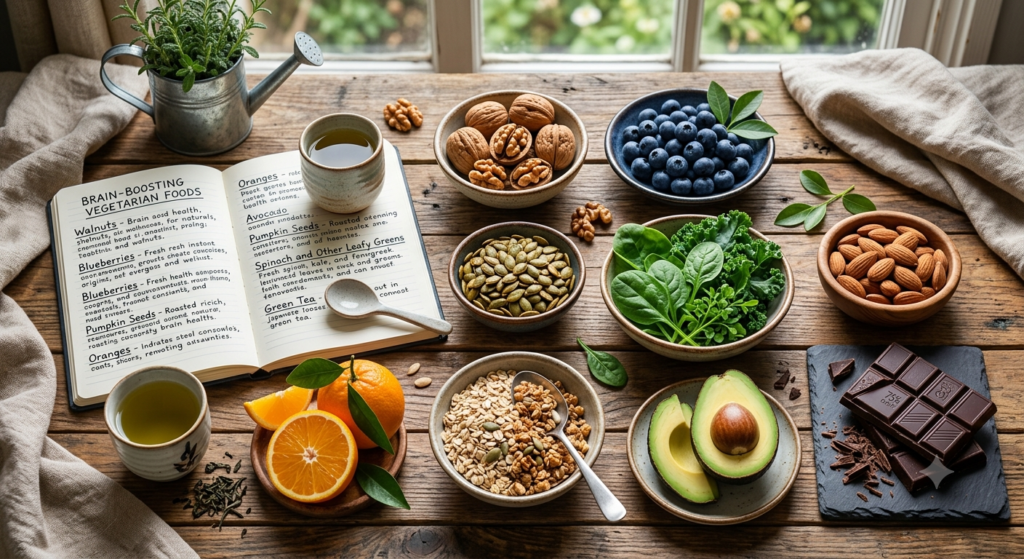
- 1.Walnuts
- 2. Blueberries
- 3. Pumpkin Seeds
- 4. Spinach and Other Leafy Greens
- 5. Almonds
- 6. Dark Chocolate
- 7. Oranges
- 8. Oats and Whole Grains
- 9. Avocados
- 10. Green Tea
- Why a Vegetarian Diet Can Support Brain Health
- Additional Lifestyle Tips for Better Brain Health
- Stay Physically Active
- Get Enough Sleep
- Stay Hydrated
- Keep Your Mind Active
- Manage Stress Effectively
- Maintain Strong Social Connections
- Avoid Harmful Habits
- Foods to Limit for Better Brain Health
- Make Smart Food Swaps for a Healthier Brain
- Best Daily Brain-Healthy Meal Ideas
- Breakfast: Start Your Day with Brain Fuel
- Lunch: A Balanced Midday Meal
- Evening Snack: Healthy Energy Boost
- Dinner: Light Yet Nutritious
- Healthy Beverages
- Additional Tips for Planning Brain-Healthy Meals
- A Healthy Plate for a Healthy Mind
- Nourishing Both the Brain and the Soul
- FAQs on 10 Foods That Are Great for Your Brain Health
Why Nutrition Matters for Brain Health
The brain consumes nearly 20% of the body’s energy despite accounting for only about 2% of body weight. It constantly needs nutrients to build new brain cells, repair damaged tissues, and support communication between neurons.
A healthy diet can help:
- Improve memory
- Enhance concentration
- Reduce inflammation
- Protect against oxidative stress
- Lower the risk of cognitive decline
- Support emotional well-being
A healthy brain depends on a steady supply of nutrients such as healthy fats, antioxidants, vitamins, and minerals. The good news is that you don’t need non-vegetarian foods to support cognitive function. Many plant-based foods are packed with brain-boosting nutrients that help improve memory, concentration, and overall mental performance.
Let’s look at the best foods that nourish your brain naturally.
1.Walnuts
Walnuts are one of the best vegetarian foods for brain health. Rich in omega-3 fatty acids, antioxidants, and vitamin E, they help protect brain cells from oxidative stress and support memory and learning.
Benefits:
- Supports cognitive function
- Improves memory
- Promotes healthy brain aging
- Rich in healthy fats and antioxidants
2. Blueberries
Blueberries are often called a “superfood” for the brain because they are packed with antioxidants called anthocyanins, which help reduce inflammation and protect brain cells.
Benefits:
- Enhances memory
- Supports brain communication
- Protects against age-related cognitive decline
- Improves learning ability
3. Pumpkin Seeds
These tiny seeds are loaded with magnesium, zinc, iron, and copper-minerals that are essential for healthy brain function and nerve signaling.
Benefits:
- Improves concentration
- Supports nerve function
- Helps reduce mental fatigue
- Promotes healthy brain development
4. Spinach and Other Leafy Greens
Leafy green vegetables such as spinach, kale, fenugreek leaves, and broccoli are rich in folate, vitamin K, and antioxidants that help protect the brain.
Benefits:
- Supports memory
- Helps slow cognitive decline
- Reduces inflammation
- Promotes healthy brain cells
5. Almonds
Almonds provide vitamin E, healthy fats, and protein that nourish brain cells and help maintain cognitive performance.
Benefits:
- Supports memory retention
- Protects brain cells
- Improves focus
- Provides sustained energy
6. Dark Chocolate
Dark chocolate with at least 70% cocoa contains flavonoids that improve blood flow to the brain and enhance mental alertness.
Benefits:
- Boosts concentration
- Supports memory
- Improves mood
- Rich in antioxidants
Consume in moderation for maximum benefits.
7. Oranges
Oranges are an excellent source of vitamin C, a powerful antioxidant that helps protect brain cells from damage.
Benefits:
- Supports healthy brain function
- Protects against oxidative stress
- Enhances mental clarity
- Strengthens immunity
8. Oats and Whole Grains
Whole grains provide slow-releasing carbohydrates that supply the brain with a steady source of energy throughout the day.
Benefits:
- Improves focus
- Maintains stable energy levels
- Supports better concentration
- Promotes long-lasting mental performance
9. Avocados
Avocados contain healthy monounsaturated fats that support healthy blood circulation, ensuring the brain receives adequate oxygen and nutrients.
Benefits:
- Supports brain cell health
- Improves concentration
- Promotes healthy blood flow
- Rich in vitamins and healthy fats
10. Green Tea
Green tea contains L-theanine and natural antioxidants that work together to improve attention, reduce stress, and enhance cognitive function.
Benefits:
- Increases alertness
- Supports memory
- Reduces mental stress
- Improves focus without excessive caffeine
Why a Vegetarian Diet Can Support Brain Health
A well-balanced vegetarian diet provides essential nutrients like antioxidants, fiber, vitamins, minerals, and healthy fats that nourish the brain naturally. Including a variety of fruits, vegetables, nuts, seeds, whole grains, and plant-based proteins in your daily meals can help improve memory, concentration, and long-term cognitive health. Combined with regular exercise, quality sleep, and stress management, these foods contribute to a healthier brain and overall well-being.
Additional Lifestyle Tips for Better Brain Health
While eating nutrient-rich foods is essential for maintaining brain health, your daily lifestyle choices play an equally important role. A healthy brain thrives when it receives proper nutrition, regular physical activity, adequate rest, and mental stimulation. By adopting healthy habits alongside a balanced diet, you can improve memory, enhance concentration, reduce stress, and support long-term cognitive function. Here are some simple yet effective lifestyle practices to keep your brain performing at its best.
Stay Physically Active
Regular exercise is one of the most effective ways to support brain health. Physical activity increases blood circulation, ensuring that your brain receives a steady supply of oxygen and essential nutrients. It also stimulates the production of brain-derived neurotrophic factor (BDNF), a protein that helps create new brain cells and strengthens the connections between existing ones. Whether it’s brisk walking, cycling, yoga, swimming, or dancing, engaging in at least 30 minutes of moderate exercise most days of the week can improve memory, boost mood, sharpen focus, and lower the risk of age-related cognitive decline..
Get Enough Sleep
Quality sleep is essential for maintaining a healthy brain. During sleep, the brain processes information, strengthens memories, removes waste products, and repairs itself. Adults should aim for 7–9 hours of uninterrupted sleep each night, while children and teenagers generally require even more. Poor sleep habits can lead to reduced concentration, slower thinking, mood changes, and difficulty retaining new information. Establishing a consistent sleep schedule, avoiding screens before bedtime, and creating a calm sleeping environment can significantly improve both sleep quality and cognitive performance.
Stay Hydrated
Water is vital for every function in the body, including the brain. Even mild dehydration can negatively affect attention, memory, reaction time, and decision-making abilities. Since the brain is composed of approximately 75% water, staying hydrated helps maintain optimal brain function throughout the day. Aim to drink enough water based on your activity level and climate, and include water-rich foods such as cucumbers, watermelon, oranges, and tomatoes in your diet. Limiting sugary drinks and replacing them with water, herbal teas, or fresh fruit-infused water can further support mental clarity and overall health.
Keep Your Mind Active
Just like muscles become stronger with regular exercise, the brain benefits from continuous mental stimulation. Activities such as reading books, solving crossword puzzles, learning a new language or engaging in strategy games challenge different parts of the brain and encourage the formation of new neural connections. Lifelong learning not only enhances memory and problem-solving skills but may also help reduce the risk of cognitive decline as you age.
Manage Stress Effectively
Chronic stress can have a significant impact on brain health by affecting memory, concentration, and emotional well-being. When stress levels remain high for extended periods, the body produces excess cortisol, a hormone that can interfere with learning and memory. Incorporating stress-management techniques such as deep breathing exercises, spending time in nature, listening to calming music, or pursuing hobbies can help relax the mind and improve overall mental health.
Maintain Strong Social Connections
Meaningful relationships and regular social interactions contribute positively to brain health. Spending time with family and friends, participating in community activities, or volunteering can stimulate the brain, reduce feelings of loneliness, and improve emotional resilience. Studies suggest that maintaining an active social life may help preserve cognitive function and lower the risk of memory-related disorders later in life.
Avoid Harmful Habits
Certain lifestyle choices can negatively affect brain function over time. Smoking,alcohol consumption, and frequent intake of highly processed foods may increase inflammation and damage brain cells. Replacing these habits with healthier alternatives, such as nutritious meals, regular exercise, and adequate rest, supports both mental and physical well-being.
Also read: How to Improve Concentration: Simple Habits to Train Your Brain for Better Focus
Foods to Limit for Better Brain Health
While adding brain-boosting foods to your diet is important, reducing the intake of certain unhealthy foods is equally essential. Some foods can contribute to inflammation, oxidative stress, poor blood circulation, and unstable blood sugar levels, all of which may negatively affect memory, concentration, and overall cognitive function over time. Enjoying these foods occasionally is generally fine, but making them a regular part of your diet may increase the risk of mental fatigue and long-term brain health issues. Here are some foods that are best consumed in moderation.
Sugary Drinks
Soft drinks, energy drinks, packaged fruit juices, and other sugar-sweetened beverages often contain high amounts of added sugar with little nutritional value. Frequent consumption of these drinks can cause rapid spikes and crashes in blood sugar levels, leading to reduced concentration, mood swings, and fatigue. Over time, excessive sugar intake has also been associated with impaired memory and an increased risk of metabolic conditions that may affect brain health.
Healthier alternatives: Water, coconut water, fresh homemade fruit juices without added sugar, lemon water, and herbal teas.
Processed Foods
Highly processed foods such as packaged snacks, instant noodles, processed meats, frozen ready-to-eat meals, and fast foods are often high in unhealthy fats, sodium, preservatives, and artificial additives while being low in essential nutrients. Regular consumption of these foods may increase inflammation in the body and reduce the intake of vitamins and minerals needed for healthy brain function.
Healthier alternatives: Fresh fruits, homemade meals, roasted nuts, seeds, whole grains, and freshly prepared snacks.
Deep-Fried Foods
Foods that are deep-fried, including French fries, potato chips, fried snacks, and fast-food items, often contain unhealthy fats and excess calories. Eating these foods frequently may contribute to inflammation and poor cardiovascular health, which can reduce healthy blood flow to the brain. Since the brain depends on a continuous supply of oxygen and nutrients through the bloodstream, maintaining good circulation is essential for optimal cognitive performance.
Healthier alternatives: Baked, grilled, steamed, roasted, or air-fried foods prepared with minimal oil.
Refined Carbohydrates
Refined carbohydrates such as white bread, white rice, pastries, cakes, cookies, and sugary breakfast cereals are quickly digested, causing sudden increases in blood sugar followed by rapid energy crashes. These fluctuations may affect mental alertness, focus, and productivity. Choosing complex carbohydrates instead provides the brain with a steady and sustained source of energy.
Healthier alternatives: Whole wheat bread, brown rice, oats, quinoa, millets, barley, and other whole grains.
Make Smart Food Swaps for a Healthier Brain
Rather than completely eliminating your favorite foods, focus on making healthier choices whenever possible. Replacing processed snacks with nuts and fruits, choosing whole grains over refined carbohydrates, drinking water instead of sugary beverages, and preparing meals at home can make a significant difference to your brain health over time.
Small, consistent dietary improvements not only support better memory and concentration but also contribute to overall physical well-being. When combined with regular exercise, quality sleep, proper hydration, and stress management, these healthy eating habits can help keep your brain active, sharp, and resilient throughout every stage of life.
Best Daily Brain-Healthy Meal Ideas
Creating a brain-friendly meal plan doesn’t have to be complicated. The key is to include a balance of whole grains, fresh fruits, vegetables, healthy fats, nuts, seeds, and plant-based proteins throughout the day. These foods provide essential nutrients such as antioxidants, omega-3 fatty acids, vitamins, minerals, and fiber that support memory, concentration, and overall cognitive function. A well-planned vegetarian diet can keep your brain energized while promoting long-term mental well-being.
Also Read- The Silent Nutrition Crisis: Why Your “Healthy” Home Meal Might Be Failing You
Breakfast: Start Your Day with Brain Fuel
Breakfast is often called the most important meal of the day because it replenishes the body’s energy after an overnight fast and provides the brain with the fuel it needs to function efficiently.
A nutritious breakfast could include:
- A bowl of oatmeal topped with fresh blueberries, chopped walnuts, and flaxseeds
- A glass of low-fat milk or fortified plant-based milk
- Seasonal fresh fruits such as apples, bananas, or oranges
This combination provides complex carbohydrates for sustained energy, healthy fats for brain cell function, antioxidants to protect brain cells, and fiber to keep you feeling full and focused throughout the morning.
Lunch: A Balanced Midday Meal
Lunch should provide a balance of carbohydrates, protein, healthy fats, and plenty of vegetables to maintain energy levels during the afternoon.
A brain-healthy vegetarian lunch may include:
- Brown rice or whole wheat chapatis
- Dal or rajma/chickpeas for plant-based protein
- A bowl of spinach or mixed vegetable curry
- Fresh cucumber, tomato, and carrot salad
- A cup of plain yogurt or curd (optional)
This meal supplies protein for brain cell repair, iron and folate from leafy greens, fiber for digestive health, and slow-releasing carbohydrates that help maintain concentration.
Evening Snack: Healthy Energy Boost
Instead of reaching for processed snacks, choose nutrient-rich foods that keep your mind alert without causing energy crashes.
Healthy snack options include:
- One fresh orange or any seasonal fruit
- A handful of pumpkin seeds, almonds, or walnuts
- Roasted chickpeas or homemade trail mix
- Fresh coconut pieces
These snacks are rich in vitamin C, healthy fats, minerals, and antioxidants that support brain function while keeping hunger under control.
Dinner: Light Yet Nutritious
Dinner should be nourishing without being overly heavy, allowing your body and brain to recover overnight.
A balanced vegetarian dinner could include:
- Brown rice, millet, or quinoa
- Mixed vegetable curry with broccoli, carrots, beans, and peas
- Paneer, tofu, or lentils for protein
- Fresh salad with cucumber, tomatoes, and leafy greens
This combination provides protein for tissue repair, fiber for digestion, vitamins for brain health, and complex carbohydrates that promote steady energy levels.
Healthy Beverages
Hydration plays a crucial role in maintaining mental alertness and cognitive performance.
Some excellent beverage choices include:
- Green tea
- Lemon water
- Coconut water
- Herbal teas
- Plain water throughout the day
Green tea contains natural antioxidants and L-theanine, which may help improve focus and relaxation without causing excessive drowsiness. Staying well-hydrated also supports memory, concentration, and overall brain function.
Additional Tips for Planning Brain-Healthy Meals
- Include a variety of colorful fruits and vegetables in your daily diet to obtain different antioxidants and phytonutrients.
- Choose whole grains over refined grains to provide the brain with a steady supply of energy.
- Add a handful of nuts and seeds to your meals or snacks for healthy fats, vitamin E, and essential minerals.
- Include plant-based protein sources such as lentils, beans, chickpeas, soy products, and dairy (if consumed) to support brain cell growth and repair.
- Limit highly processed foods and foods high in added sugar, as they may negatively affect memory and concentration over time.
- Prepare fresh, home-cooked meals whenever possible to ensure better nutritional quality.
A Healthy Plate for a Healthy Mind
A simple way to build a brain-friendly meal is to fill half your plate with vegetables and fruits, one-quarter with whole grains, and one-quarter with plant-based protein, while adding a small portion of healthy fats such as nuts or seeds. This balanced approach provides the nutrients your brain needs to stay active, focused, and healthy every day.
By making mindful food choices and following a balanced vegetarian meal plan, you can nourish not only your body but also your brain, helping improve memory, concentration, learning ability, and overall cognitive well-being for years to come.
Nourishing Both the Brain and the Soul
A healthy brain helps us make wise decisions, but true well-being goes beyond physical health. Sant Rampal Ji Maharaj teaches that while nutritious food supports the body and mind, lasting peace and complete happiness come from spiritual knowledge and devotion to the Supreme God.
According to His teachings, a balanced life includes pure vegetarian food, moral living, freedom from addictions, and regular remembrance of God through true worship. These practices not only promote physical and mental discipline but also help individuals lead a peaceful, compassionate, and purposeful life. Along with eating foods that support brain health, nurturing spiritual wisdom can contribute to holistic wellness and inner satisfaction.
FAQs on 10 Foods That Are Great for Your Brain Health
1. Which food is best for improving brain health?
Walnuts, blueberries, leafy greens and pumpkin seeds are among the best foods for supporting brain health and cognitive function.
2. Can diet improve memory naturally?
Yes. A balanced diet rich in antioxidants, healthy fats, vitamins, and minerals can help improve memory and support long-term brain function.
3. How do omega-3 fatty acids benefit the brain?
Omega-3 fatty acids support brain cell structure, improve communication between neurons, enhance memory, and may reduce cognitive decline.
4. Are fruits good for brain health?
Yes. Fruits like blueberries and oranges provide antioxidants and vitamin C, which protect brain cells and support mental performance.
5. Besides diet, what helps maintain a healthy brain?
Regular exercise, quality sleep, hydration, stress management, lifelong learning, and avoiding harmful habits all contribute to better brain health and cognitive performance.