


In today’s digital world, almost everything we do happens online—banking, shopping, working, studying, and even socializing. While the internet makes life easier, it also exposes users to several risks such as hacking, data theft, identity fraud, and online tracking. Many websites, advertisers, and even internet service providers (ISPs) can monitor online activities.
This growing concern about online privacy has increased the demand for tools that can protect users while browsing the internet. One of the most effective solutions is a Virtual Private Network (VPN). A VPN helps secure your internet connection, protects your personal data, and allows you to browse the web more privately. Understanding what a VPN is and why you need one can help you stay safer in the digital world.
What is a VPN?
A VPN (Virtual Private Network) is a technology that creates a secure and encrypted connection between your device and the internet. Instead of connecting directly to websites, your internet traffic is routed through a secure server operated by the VPN provider.
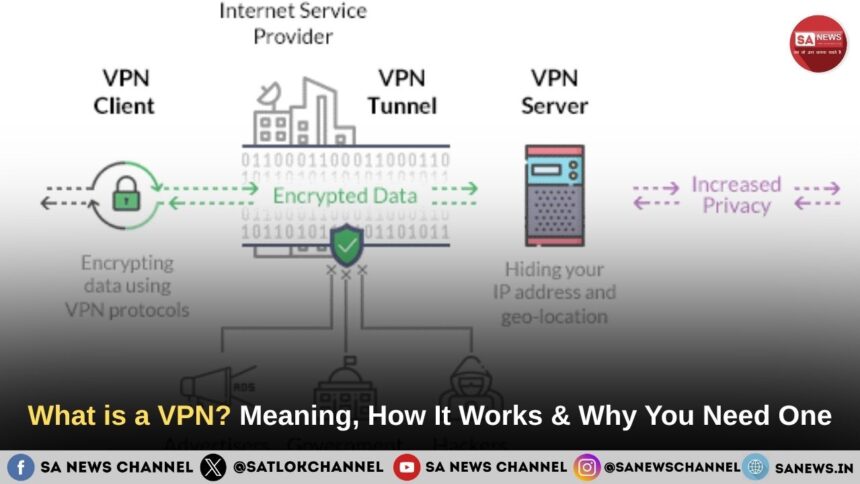
In simple terms, a VPN acts as a protective tunnel for your online activities. It hides your real IP address and replaces it with the IP address of the VPN server. This makes it difficult for anyone—including hackers, advertisers, or even your internet provider—to track your browsing behavior.
VPNs are widely used by individuals, businesses, and organizations to protect sensitive information and maintain privacy online.
How Does a VPN Work?
To understand the usefulness of a VPN, it is important to know how it works. When you connect to the internet without a VPN, your device communicates directly with websites through your ISP. This means your IP address and browsing data are visible.
When you use a VPN, the process changes in three main ways.
VPN Encryption
A VPN encrypts your internet traffic before it leaves your device. Encryption converts your data into a coded format that cannot easily be read by unauthorized parties. Even if someone intercepts the data, they will not be able to understand it without the encryption key.
Secure VPN Tunnel
VPN technology creates a secure “tunnel” between your device and the VPN server. All your internet traffic travels through this tunnel, protecting it from cybercriminals or network surveillance.
IP Address Masking
When connected to a VPN server, your real IP address is hidden and replaced with the server’s IP address. This makes it appear as if your internet activity is coming from a different location, helping maintain anonymity.
Why Do You Need a VPN?
There are several reasons why individuals and organizations use VPNs today.
Protecting Online Privacy
Many websites collect user data to analyze behavior or show targeted advertisements. A VPN helps reduce tracking by hiding your IP address and encrypting your browsing activity.
Security on Public Wi-Fi
Public Wi-Fi networks found in cafes, airports, or hotels are often not secure. Hackers can easily intercept data transmitted through these networks. Using a VPN adds an extra layer of security, making it much harder for attackers to access your information.
Bypassing Geo-Restrictions
Some online services restrict access to content based on geographic location. By connecting to a VPN server in another country, users may access content that might otherwise be unavailable in their region.
Avoiding Data Monitoring
Internet service providers can track browsing activity and sometimes limit internet speed based on usage. A VPN encrypts your traffic, making it more difficult for ISPs to monitor your online behavior.
Key Benefits of Using a VPN
VPNs offer several advantages that make them an important tool for safe internet usage.
Enhanced Security
VPN encryption protects sensitive information such as passwords, financial data, and personal messages from potential cyber threats.
Anonymous Browsing
By masking your IP address, VPNs allow users to browse the internet with greater anonymity and privacy.
Safe Remote Work
Many companies use VPNs to allow employees to access internal systems securely from remote locations. This ensures confidential business data remains protected.
Access to Global Content
VPN servers located around the world allow users to connect from different virtual locations, helping them access international content and services.
Common Uses of VPN
VPNs are used for a variety of purposes by both individuals and organizations.
Streaming Content
Some users rely on VPNs to access streaming libraries or services that may vary across countries.
Secure Online Transactions
People often use VPNs while performing online banking or shopping to ensure that their financial data remains secure.
Travel Security
Travelers frequently connect to unfamiliar networks. Using a VPN while traveling helps keep personal information protected from potential cyber threats.
Accessing Restricted Websites
In some regions, certain websites or services may be restricted. VPNs can sometimes help users access these resources through alternative server locations.
Are VPNs Legal and Safe to Use?
In most countries, using a VPN is completely legal and widely accepted. Businesses and individuals commonly rely on VPN technology for security and privacy purposes.
However, some countries impose restrictions on VPN usage. Therefore, it is important to check local regulations before using one. Additionally, while VPNs provide strong privacy protection, users should still follow responsible online practices and choose reputable VPN providers.
How to Choose the Right VPN
Not all VPN services offer the same level of protection and performance. When selecting a VPN, consider the following factors.
Security Features
Look for VPN services that provide strong encryption protocols, a no-log policy, and additional features like a kill switch.
Speed and Performance
Some VPNs may slow down internet speed because traffic is routed through remote servers. Choosing a provider with high-speed servers can help maintain better performance.
Server Locations
A good VPN provider offers servers in multiple countries, giving users more flexibility when choosing a virtual location.
Free vs Paid VPN
While free VPN services exist, they may come with limitations such as slower speeds, fewer servers, or data restrictions. Paid VPN services often provide stronger security and better performance.
How to Manage All Your Passwords Securely: A Complete Guide
Limitations of VPNs
Although VPNs are useful tools, they are not perfect solutions.
Not Complete Anonymity
A VPN improves privacy but does not make users completely anonymous. Websites can still track activity through cookies or accounts.
Possible Speed Reduction
Because data travels through additional servers and encryption processes, internet speeds may occasionally be slower when using a VPN.
Should You Use a VPN?
As digital activities continue to grow, protecting personal information online has become increasingly important. A VPN provides an effective way to enhance online security, maintain privacy, and protect data from potential threats.
Whether you are using public Wi-Fi, working remotely, traveling, or simply browsing the internet, a VPN can offer valuable protection. While it may not guarantee complete anonymity, it remains one of the most practical tools for improving internet safety and privacy in today’s connected world.
Frequently Asked Questions (FAQs)
1. What does VPN stand for?
VPN stands for Virtual Private Network. It is a technology that creates a secure and encrypted connection between your device and the internet, helping protect your data and online privacy.
2. Is it safe to use a VPN?
Yes, using a VPN is generally safe if you choose a reputable VPN provider. A VPN encrypts your internet traffic and hides your IP address, making it harder for hackers, advertisers, and third parties to track your online activity.
3. Can a VPN hide my location?
A VPN hides your real IP address and replaces it with the IP address of the VPN server you connect to. This makes it appear as if you are browsing from a different location.
4. Do VPNs slow down internet speed?
VPNs may slightly reduce internet speed because your traffic is encrypted and routed through a remote server. However, high-quality VPN providers usually maintain fast speeds.
5. Is using a VPN legal?
In most countries, using a VPN is completely legal. However, some countries restrict or regulate VPN usage, so it is important to check local laws before using one.
6. Should I use a free VPN or a paid VPN?
Free VPN services may have limitations such as slower speeds, fewer servers, and weaker privacy policies. Paid VPN services typically offer better security, faster speeds, and stronger privacy protection.