

Have you ever felt that something bad would happen if you saw a black cat?
Will a specific animal crossing your path change your luck? If your answer is yes, this article is for you. If your answer is no, this article is still useful because it explains everything about superstitions, so let’s get to the topic.
We all know superstitions make no sense, yet somehow, we still believe them. Superstitions can be seen everywhere as they are deeply rooted in our families, traditions, and daily habits. If you want to know where superstitions come from and why they may harm you rather than protect you, read the article below.
Key Highlights
- What are superstitions?
- Why do people believe in superstitions?
- Types of superstitions
- Superstitions around the world
- Are superstitions harmful?
- How can we live a superstition-free life?
What Are Superstitions?
Superstitions are beliefs that people follow blindly without any scientific evidence supporting them. These are just beliefs that someone probably created for fun and now people are serious about it. If you look at it from another perspective, it feels weird, just a mix of random events and luck. These are beliefs that refute any logic.
But if people know there is no scientific evidence of it being true, then the picture will be entirely different.
Some of the common superstitious beliefs are
- The number 13 is unlucky.
- Touching wood will prevent bad things from happening.
- If a dog howls, it is believed that someone may die soon.
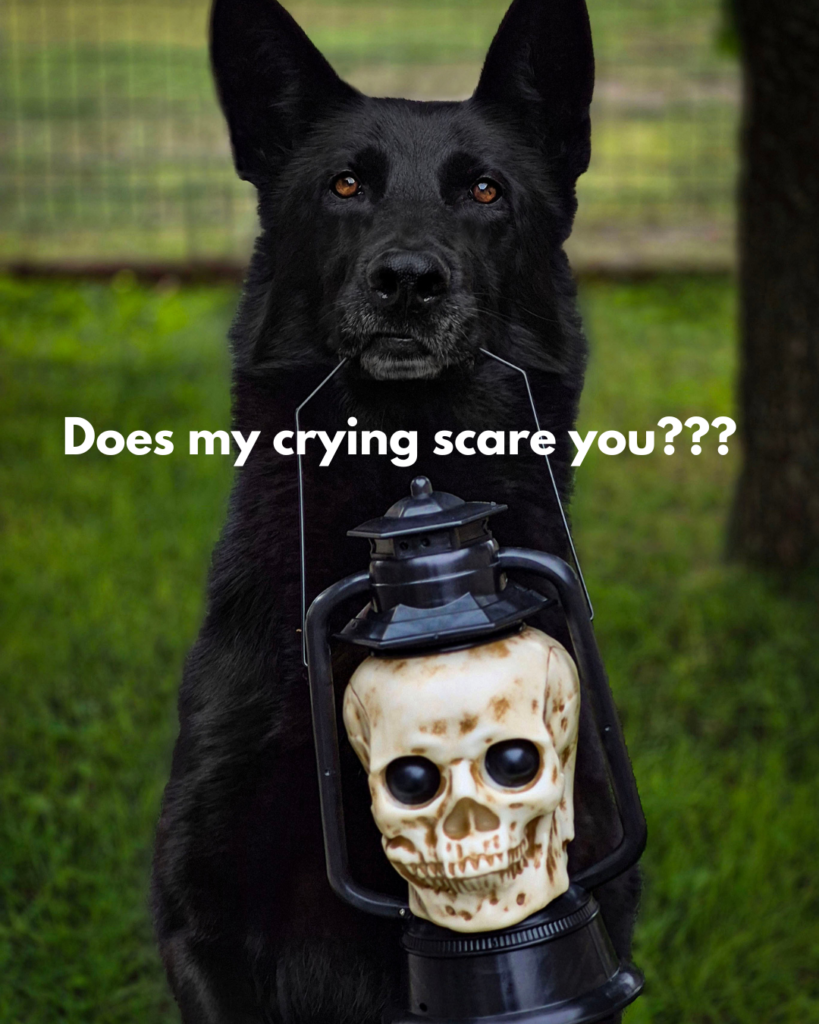
An example of a superstition is breaking a mirror causes seven years of bad luck. When people believe in this it becomes a superstition.
It’s creative and fun if you know it doesn’t affect you, but if you actually believe it, wow! It is unbelievable as what does breaking an object have to do with your luck?
Why do people believe in superstitions?
Fear of the unknown:
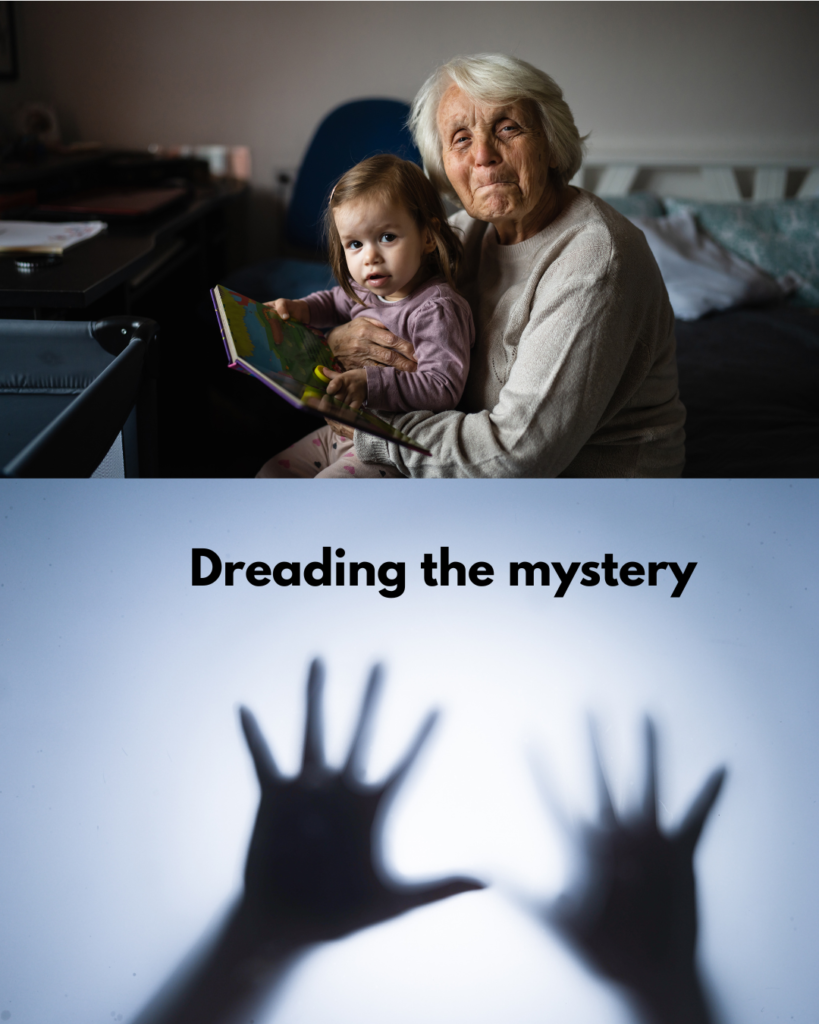
One of the main reasons is because people fear the unknown. Uncertainty breeds fear. It is like a “better safe than sorry” scenario, but what do you want to be safe from bad luck? Again? It’s just a belief.
Cultural conditioning:
Another reason is because in most cultures people are taught to blindly believe people older than them. So when an elder tells them to believe in something, they believe it without thinking it through. For instance, in Indian households no one sweeps or mops the floor as they believe that it will sweep the good luck out of the house. When children are taught this by older generations they grow up with this belief imbibed in their thinking and behaviour.
Psychological comfort:
People also believe in them because of psychological comfort. These rituals and beliefs keep anxiety at bay. Even today, mothers feed sweetened yoghurt to their children when they go for exams. This is because they believe this will make their exam results better.
Types of superstitions
Superstitions can be categorised into a few segments, such as
- Luck-based: For example, the spilling milk is considered inauspicious
- Ritual-based: For example, a childless woman is never invited to a baby shower
- Number-based: For example, 13 is considered unlucky
- Nature-based: For example, owls are considered bad luck in Hinduism
Superstitions around the world
Different countries have different versions of superstitions, and it shows that they vary across cultures.
For instance, in India, if somebody sneezes while you are leaving your home, it is considered as a bad sign, and the task you are leaving for may not be successful.
In Italy, the number 17 is considered unlucky. Likewise, in the US, walking under a ladder is widely considered bad luck.
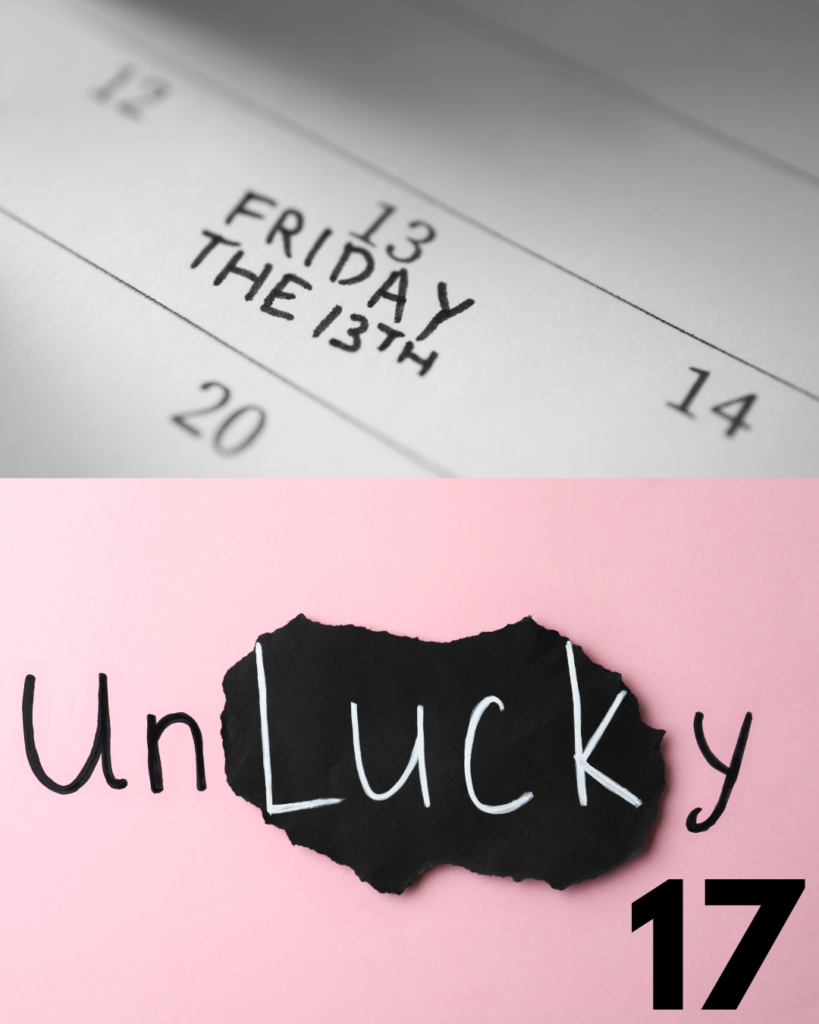
These superstitions are not fact-based theories or universal truths, but they are folklore and myths passed down through the generations, and now are deeply rooted in the daily lives of the people.
Are Superstitions Harmful?
Let’s split this into two parts
When superstitions are harmless
These situations are harmless when you use them for fun or traditional stuff. They can also support cultural identity if you are not blindly influenced by them. For instance, people believe that the groom should not meet the bride a few days before the wedding. These superstitions add to the fun and do not hurt anyone.
When superstitions can be harmful
They could be harmful if they make you feel like “If I don’t follow this, I will get very bad luck and I’ll be doomed”.
If they create anxiety or fear, they could be harmful; it could also lead to irrational decision-making. For instance, despite needing emergency medical care, a person refuses the surgery on the 13th as it is an unlucky number.
Before taking an action, think: “Is this belief stagnating my progress or helping me to improve?”
How can we live a superstition-free life?
When one believes that there is a superior power that can protect you, no matter what you do, think, or where you are, then superstition has no control over you when making decisions for yourself.
The question arises, how do we identify this superior power, correct? The answer to this question is very simple. You will have to look deeply into holy books to identify who this supreme Almighty power is. Today, Saint Rampalji Maharaj is imparting this unrefutable knowledge about the Supreme Almighty to help us know more. You can order your free copy of this amazing book called Gyan Ganga by clicking here.
FAQs
- Are superstitions harmful?
Ans: Superstitions can be both harmful and harmless depending upon how they are being utilised in daily life. If superstitions create anxiety, fear or rob people of rational decision making then they are harmful.
- Why is 13 an unlucky number?
Ans: People consider 13 to be unlucky because according to Norse mythology. The Last Supper had 13 attendees, and one of them, Judas Iscariot, betrayed Jesus. This belief has spread across multiple cultures now however no number is unlucky.
- Why do people believe in superstitions?
Ans: People believe in superstitions due to the fear of the unknown or due to the comfort the rituals and beliefs provide during times of uncertainty.
- What are superstitions based on?
Ans: Superstitions are based on mythology, local folklores, coincidence and storytelling passed down through generations.