


Picture a typical Indian dinner: a steaming mound of white rice or soft chapatis, a bowl of yellow dal, and a side of vegetable sabzi cooked in generous oil. To the naked eye, it looks like a wholesome, complete meal and the very definition of “ghar ka khana” (home-cooked food).
Yet, a groundbreaking study released in December 2024 by the Council on Energy, Environment and Water (CEEW) exposes a startling paradox: this beloved template is fueling a hidden health catastrophe.
The study, which analyzed over 260,000 households, reveals that while 95% of Indian meals are home-cooked, they are nutritionally skewed. We are a nation eating calories without nutrition, filling our stomachs while our bodies starve for essentials.
The “Carb-Loading” Trap: Quantity vs. Quality
At first glance, the numbers seem fine. The average Indian consumes 55.6 grams of protein daily at home, seemingly meeting the basic nutritional guidelines. But here is the deception: the source of that protein matters as much as the amount.
According to the CEEW analysis:
- The Cereal Problem: Nearly 50% of the protein on Indian plates comes from cereals (rice and wheat), far exceeding the National Institute of Nutrition’s (NIN) recommendation of 32%.
- The Quality Gap: Cereal proteins are incomplete as they lack essential amino acids like lysine. Real nutritional powerhouses like pulses (dal), dairy, and eggs are being crowded out.
- The Calorie Imbalance: Cereals, oils, and sugar combined contribute two-thirds of total energy intake, leaving little room for nutrient-dense foods.
- The Reality Check: We aren’t eating balanced meals; we are eating “survival” meals disguised as tradition. A diet reliant on wheat and rice provides energy but fails to build the body.
The Human Cost: A Generation at Risk
This dietary imbalance is not victimless. It is writing a tragic future for millions of Indians, visible in statistics that should shock the nation:
- World’s Highest Wasting Rate: India records a child wasting rate of 18.7% (low weight for height), the highest globally. Over 21 million children are literally wasting away not because they don’t eat, but because their food lacks the density of nutrients required for growth.
- The Anemia Epidemic: 53.7% of Indian women, over 203 million, suffer from anemia. This isn’t just “tiredness”; it is a massive drag on national productivity, cognitive function, and maternal health.
- Stunting: 35.5% of children under five are stunted. These children face a permanent “cap” on their physical and mental potential, all because their meals lacked the micronutrients (like iron, zinc, and Vitamin A) during critical growth windows.
Also Read: Best Home Workout Routines With Vegetarian Diet Plan: Complete Guide for Fitness & Nutrition
The “Grain Monopoly”: How We Lost Our Superfoods
For decades, India’s food security programs (like the PDS) focused on calorie security, preventing starvation by flooding the market with cheap rice and wheat. The unintended consequence was the systematic erasure of nutri-cereals (millets like Jowar, Bajra, and Ragi).
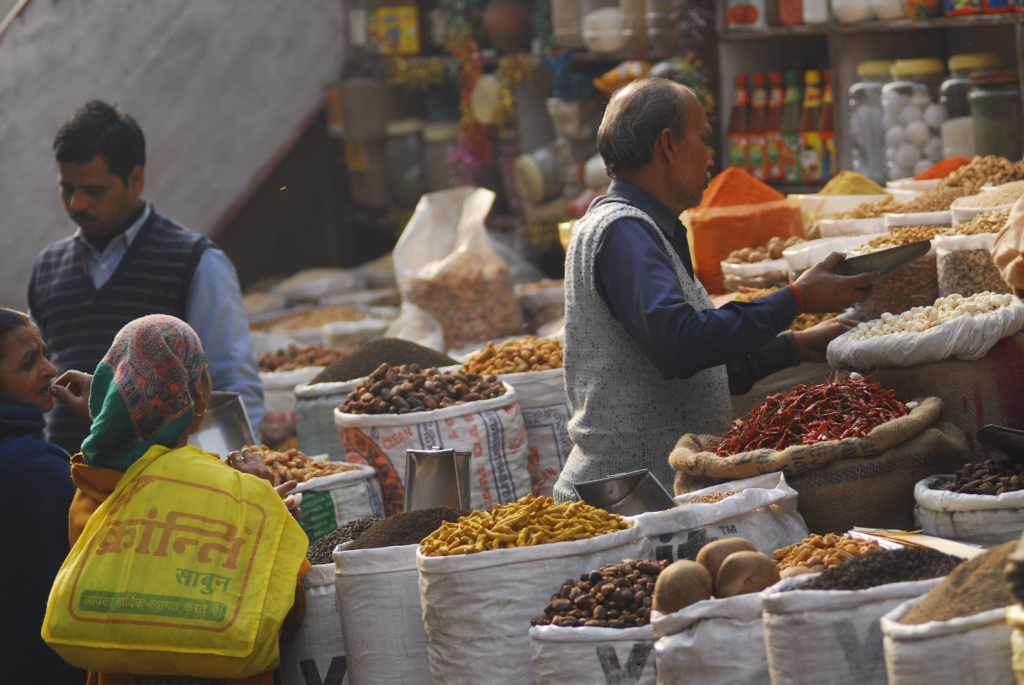
- The Collapse: Per capita consumption of these coarse grains has plummeted by nearly 40% in the last decade.
- The Deficit: Indians now meet barely 15% of the recommended intake for these superfoods, which are rich in iron, calcium, and fiber.
- Paradoxically, while good grains vanished, bad fats skyrocketed. The number of households consuming 1.5x the recommended fat intake has more than doubled, creating the “Double Burden of Malnutrition”, a population that is simultaneously undernourished and overweight.
The Infrastructure Gap: Starving in Plain Sight
If you think the solution is simply “buying more vegetables,” think again. The crisis is also one of logistics.
India produces enough fruits and vegetables to feed its population, yet nearly 25% to 30% of this harvest never reaches a plate. It rots in transit.
- The Waste: Approximately 4 crore tonnes of perishable produce is lost annually due to a lack of cold storage and refrigerated transport.
- The Cost: This wastage is valued at over ₹1.5 lakh crore ($18-20 billion) annually.
- The Consequence: When 30% of supply vanishes, prices spike. This makes nutrition a luxury item. The poorest 10% of Indians consume only one-third of the recommended milk intake, while the richest exceed it by 110%.
The Path Forward: From “Food Security” to “Nutrition Security”
Fixing this requires a shift in how we view food, from the farm to the kitchen table. The CEEW study and experts suggest three critical pivots:
- Diversify the Plate: Public programs (PDS, Anganwadis) must shift from being “rice dispensers” to “nutrition hubs,” including millets, pulses, and eggs.
- Fix the Chain: Massive investment in cold-chain infrastructure (reefer vehicles, pack-houses) is needed to stop the multi-billion dollar rot of fruits and vegetables.
- Kitchen Consciousness: At home, we must break the “rice/wheat monopoly.” A meal isn’t complete without a protein source (dal/egg/paneer) and a vegetable portion that rivals the grain portion in size.
FAQs
1. Why are traditional Indian home-cooked meals considered “unbalanced”?
While 95% of Indian meals are home-cooked, they often suffer from a “grain monopoly.” Most meals are dominated by rice and wheat, which provide high calories but lack essential micronutrients. This results in a diet that is energy-dense but nutritionally poor, leading to hidden hunger even when stomachs are full.
2. Is the protein in a typical Indian diet of high quality?
Not necessarily. Although many Indians meet basic protein quantity goals, nearly 50% of that protein comes from cereals (rice and wheat) rather than high-quality sources. Cereal proteins are “incomplete” because they lack essential amino acids like lysine, which are found in superior amounts in pulses, dairy, and eggs.
3. What are the health consequences of India’s current dietary habits?
The dietary imbalance has led to a severe health crisis, including:
Child Wasting: India has the world’s highest rate at 18.7%.
Anemia: Over 53% of Indian women are anemic due to iron deficiency.
Stunting: 35.5% of children under five face permanent physical and cognitive limitations due to a lack of micronutrients.
4. Why has the consumption of millets and superfoods declined?
For decades, food security programs focused on providing cheap calories through rice and wheat. This caused a 40% drop in the consumption of “nutri-cereals” like Jowar, Bajra, and Ragi. These superfoods are rich in fiber, iron, and calcium but have been largely replaced by refined grains and unhealthy fats.
5. How can I make my home-cooked meals more nutritionally balanced?
To fix the imbalance, you should move from “food security” to “nutrition security” by:
Diversifying the plate: Reduce the portion of rice or chapatis.
Increasing protein: Ensure every meal includes a high-quality protein like dal, paneer, or eggs.
Adding Color: Increase the volume of vegetables so they at least match the portion size of your grains.