


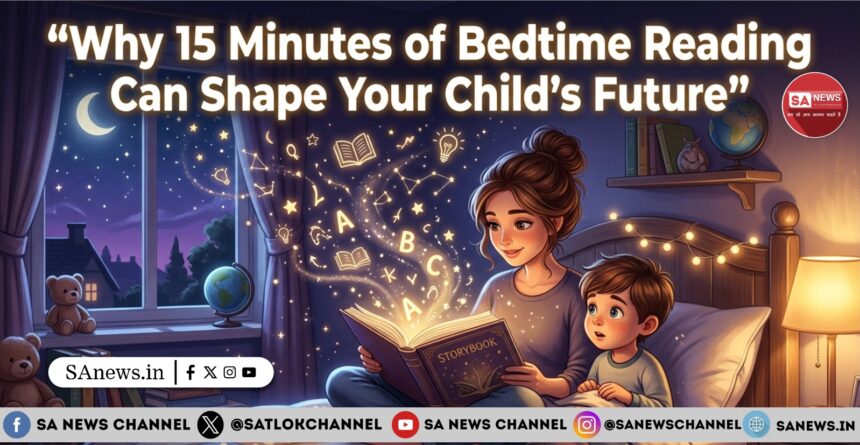
It’s easy to view reading as just another item on the nighttime checklist, right between brushing teeth and finding that one specific stuffed elephant that has gone missing. However, those 15 to 20 minutes are much more than a routine. They can become an important foundation for your child’s learning and emotional development. Reading at bedtime boosts vocabulary, builds empathy, and creates a “safe space” where their imagination can run wild.
- For a Peaceful Mind: Goodnight Moon by Margaret Wise Brown
- For Emotional Intelligence: The Color Monster by Anna Llenas
- For Grit and Confidence: Giraffes Can’t Dance by Giles Andreae
- For Curiosity and Science: The Very Hungry Caterpillar by Eric Carle
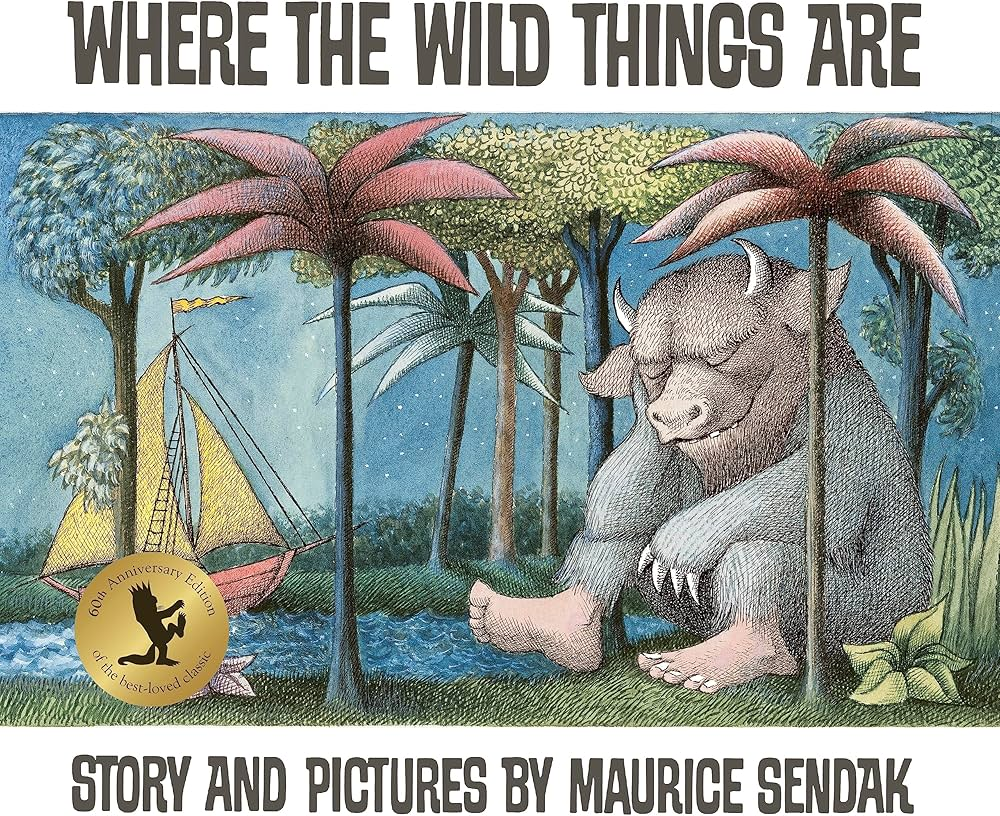
- For the Wild Imagination: Where the Wild Things Are by Maurice Sendak
- For a Guaranteed Snooze: The Rabbit Who Wants to Fall Asleep by Carl-Johan Forssén Ehrlin
- The Power of “One More Page”
- A Lasting Legacy
- FAQs
If you’re looking to refresh your bookshelf with stories that don’t just entertain but also help your little one grow, we’ve curated a list of some of the best books you can read to your child!
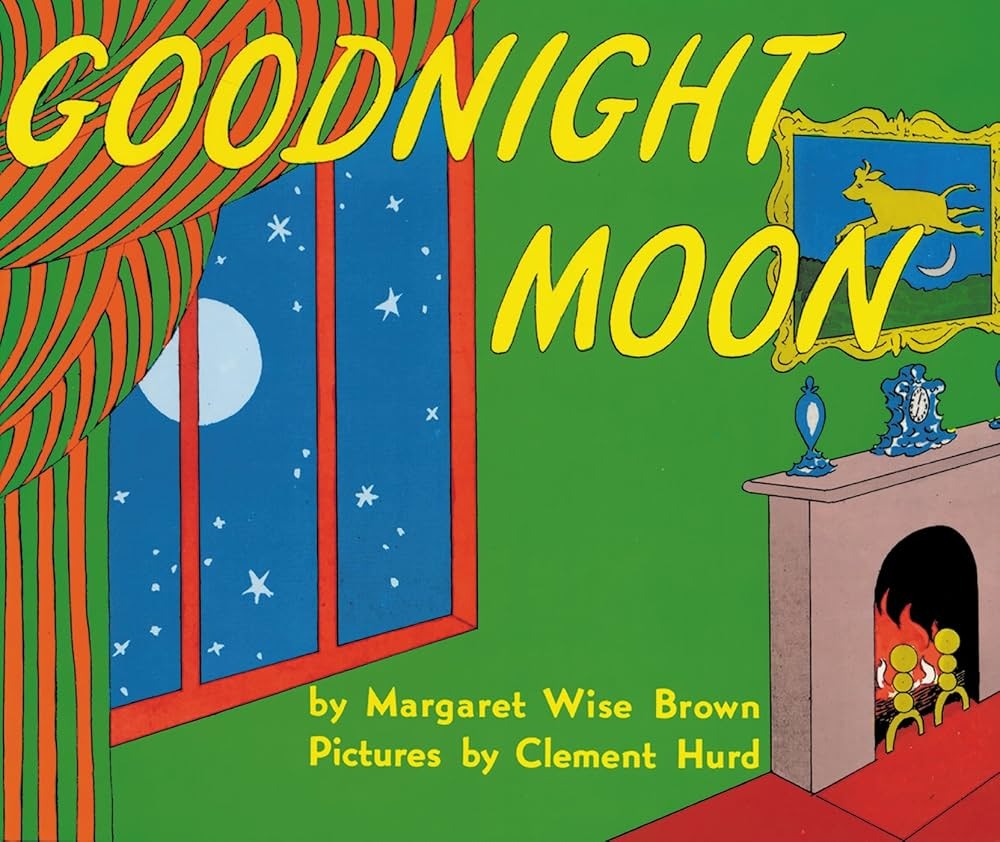
For a Peaceful Mind: Goodnight Moon by Margaret Wise Brown
We can’t talk about bedtime without mentioning the gold standard. There is a reason this book has been a favorite for nearly 80 years.
Why does it help growth?
Goodnight Moon is a sensory experience. As the little bunny says goodnight to everything in the room, from the red balloon to the quiet old lady whispering “hush,” it teaches children the power of mindfulness.
It helps them recognize their surroundings and slowly transition from the high energy of the day to a state of calm. For toddlers, the repetitive rhythm can feel soothing and calming for young children.
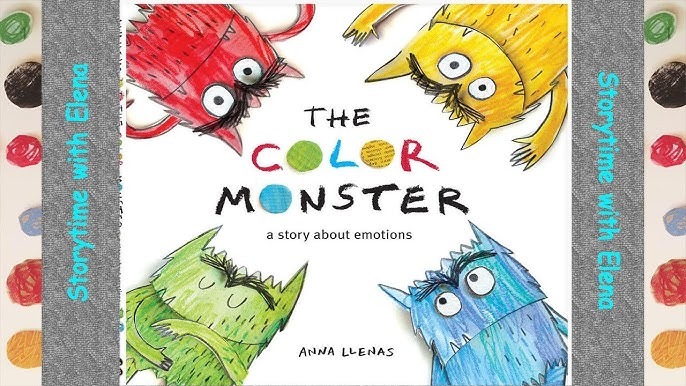
For Emotional Intelligence: The Color Monster by Anna Llenas
Young children often experience very “big” emotions, but they don’t always have the words to describe them. This leads to tantrums and frustration.
Why does it help growth?
This book uses a lovable monster who has his emotions all mixed up. Each color represents a feeling: yellow is joy, blue is sadness, red is anger, and so on. By reading this together, you give your child a vocabulary for their emotions.
When they can say, “I feel like the Red Monster right now,” they are learning self-awareness and emotional regulation skills that will serve them for the rest of their lives.
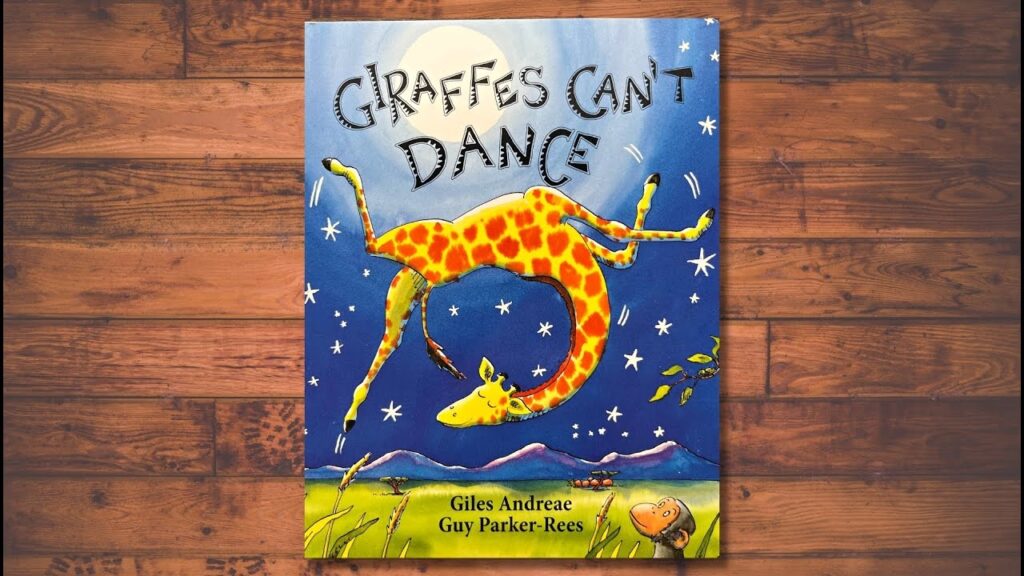
For Grit and Confidence: Giraffes Can’t Dance by Giles Andreae
Meet Gerald. He’s a giraffe who wants to dance at the Jungle Dance, but everyone tells him he’s too clumsy. It’s a heartbreaking start, but the ending is pure magic.
Why does it help growth?
This story is a masterclass in growth mindset. It teaches children that not being able to do something yet doesn’t mean they never will.
It encourages kids to find their own rhythm and realize that being different isn’t a weakness, but a superpower. It’s the perfect confidence-booster for a child who might be feeling shy or struggling with a new skill at school.
For Curiosity and Science: The Very Hungry Caterpillar by Eric Carle
This is a classic for a reason. We follow a tiny caterpillar as he eats his way through a mountain of food before transforming into a beautiful butterfly.
Why does it help growth?
Beyond the beautiful artwork, this book covers basic math (counting), the days of the week, and life cycles in nature. It sparks curiosity about the natural world. It also carries a subtle message about patience and transformation: big changes take time and a lot of nourishment (both physical and mental!).
For the Wild Imagination: Where the Wild Things Are by Maurice Sendak
Max puts on his wolf suit, makes some mischief, and gets sent to bed without supper. There, his room transforms into a forest, and he sails away to lead the “Wild Things.”
Why does it help growth?
This book is vital for creative development. It validates a child’s anger and their need for escape, but it also reinforces the security of home. It teaches children that they can explore the “wild” parts of their imagination and still come back to a place where someone loves them “best of all.”
For a Guaranteed Snooze: The Rabbit Who Wants to Fall Asleep by Carl-Johan Forssén Ehrlin
If you have a child who treats bedtime like an Olympic wrestling match, this book is your secret weapon. Written by a behavioral scientist, it uses calming language patterns designed to encourage sleepiness.
Why does it help growth?
While its primary job is to get the child to sleep, it also teaches relaxation techniques. It guides the child to breathe deeply and “let go” of the day. Learning how to relax your own body is a life skill that many adults still struggle with; starting early is a huge advantage.
The Power of “One More Page”
While the books themselves are important, the act of reading is where the real growth happens. Here are three quick tips to make the most of your bedtime reading:
Ask “Why” and “How”
Instead of just reading the words, ask your child, “Why do you think the caterpillar was so hungry?” or “How would you feel if you were Gerald the Giraffe?” This builds critical thinking.
Use the “Funny Voices”
Don’t be afraid to sound silly. When you change your voice for different characters, you are teaching your child about perspective and character development.
Let Them Lead
Sometimes, a child wants to read the same book 50 nights in a row. While it might be boring for you, it’s great for them. Repetition is how children master language and find comfort in a predictable world.
A Lasting Legacy
When you read to your child, you aren’t just teaching them to recognize letters on a page. You are whispering to them that they are worth your time. You are showing them that the world is vast, that feelings are manageable, and that their imagination is a playground.
The best book to read to your child is ultimately the one that makes both of you smile. Since we’re talking about books, many people also wonder about the creation of the cosmos and everything that surrounds it.
Birth, Marriage & Death of Brahma, Vishnu & Shiv Ji in Holy Books
Gyan Ganga is a book written by Sant Rampal Ji Maharaj that encapsulates the essence of many religious scriptures while citing references and explaining the creation of the universe along with the inequalities present in the world.
FAQs
1. How does bedtime reading help a child’s brain development?
Bedtime reading acts as a “workout” for a developing brain. It improves language processing, expands vocabulary, and strengthens the neural pathways associated with visual imagery and story comprehension. Beyond cognitive skills, it lowers cortisol levels (the stress hormone), helping children transition into a restful sleep state.
2. What are the best books for building emotional intelligence in toddlers?
Books like The Color Monster by Anna Llenas are highly recommended by experts. By associating colors with specific feelings like red for anger or yellow for joy, children learn to label their emotions. This “emotional labeling” is a key step in developing self-regulation and empathy from a young age.
3. Is it okay to read the same book to my child every night?
Yes! Repetition is a fundamental part of how children learn. While it may feel tedious for parents, reading the same story 50 times helps children master language patterns, predict outcomes, and find emotional security in a predictable routine.
4. How can I make bedtime reading more interactive for my child?
To boost critical thinking, try the “Why and How” method. Instead of just reading the text, ask your child questions like, “How do you think Gerald the Giraffe feels right now?” or “What do you think the caterpillar will eat next?” Using “funny voices” for different characters also helps children understand perspective and narrative structure.
5. At what age should I start a bedtime reading routine?
It is never too early to start. Even infants benefit from the rhythm of your voice and the bonding experience while being held and looking at high-contrast images. By the time a child is a toddler, a consistent 15-minute nightly routine becomes a “safe space” that fosters a lifelong love of learning.