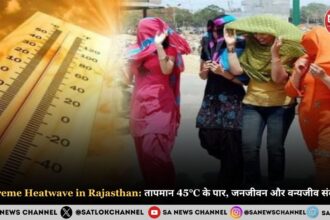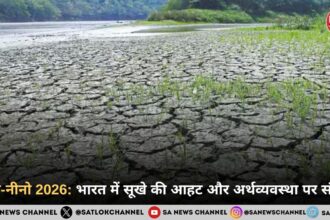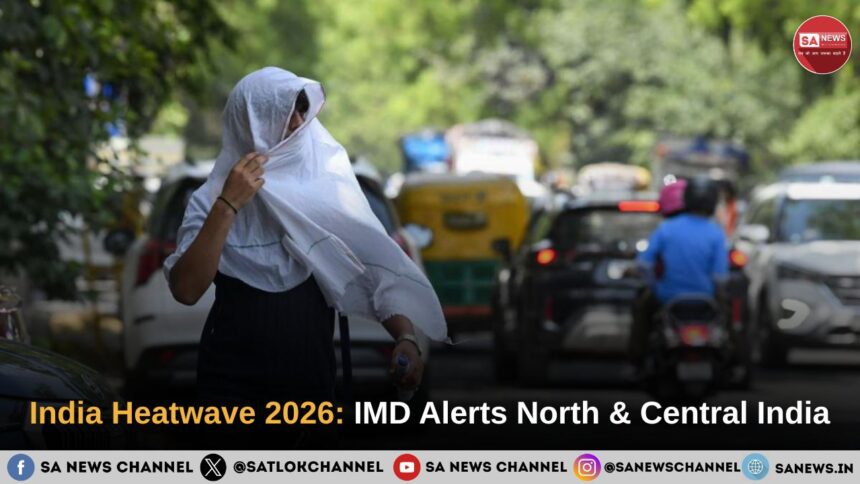
India Heatwave 2026: India is currently experiencing one of the most intense early summer heatwaves in recent years as the India Meteorological Department (IMD) has issued severe warnings for North and Central regions. With temperatures already crossing 45°C in several states and some areas touching 47°C, late April to early May 2026 is bringing dangerous conditions affecting millions. From Delhi to Madhya Pradesh, rising heat levels are causing serious concern.
This extreme weather event highlights not only immediate health risks but also long-term climate challenges. Understanding the causes, impacts, and safety measures is crucial for everyone during this critical period.
What is Happening: IMD Heatwave Warning Explained
India is currently witnessing a rapid rise in temperatures, with the India Meteorological Department (IMD) issuing alerts for multiple states.
According to official forecasts, North and Central India — including Delhi, Uttar Pradesh, Haryana, Rajasthan, and Madhya Pradesh — are experiencing severe heatwave conditions in late April that are likely to persist into early May 2026.
The IMD has also indicated that above-normal heatwave days are expected during April–June 2026, making this summer particularly intense.
Regions Most Affected
- North India
- Delhi NCR
- Punjab & Haryana
- Uttar Pradesh
- Rajasthan
- Central India:
- Madhya Pradesh
- Chhattisgarh
- Vidarbha region
These regions are already experiencing temperatures 4–8°C above normal levels, increasing heatwave severity.
Why is This Heatwave So Severe?
Climate Change Impact
Global warming is increasing the frequency and intensity of heatwaves across India.
El Niño Effect: Climate models suggest a possible development of El Niño conditions, which typically raises temperatures and weakens monsoon rainfall.
Also Read: What Is Happening to Our Planet? Climate Change vs Global Warming Explained
Urban Heat Islands
Cities like Delhi trap heat due to concrete structures and reduced greenery.
Dry Weather Conditions: Lack of rainfall and dry winds further intensify heatwave conditions.
Health Risks of Heatwave
Extreme heat is not just uncomfortable — it can be life-threatening.
Common Health Issues:
- Heatstroke
- Dehydration
- Dizziness & fatigue
- Skin burns
Authorities have warned that children, elderly, and outdoor workers are most vulnerable.
IMD Safety Guidelines
- The IMD and local authorities recommend:
- Avoid going outside between 11 AM – 4 PM
- Drink plenty of water and fluids
- Wear light, loose cotton clothes
- Use umbrellas or caps when outdoors
- Stay in shaded or air-conditioned spaces
These precautions are essential to reduce health risks during extreme heat.
Impact on Agriculture & Economy
Heatwaves can severely impact India’s economy:
- Reduced crop yields (especially wheat)
- Increased electricity demand
- Water shortages
- Stress on livestock
Experts warn that heat stress can reduce grain size and agricultural output, affecting food supply.
Environmental Perspective
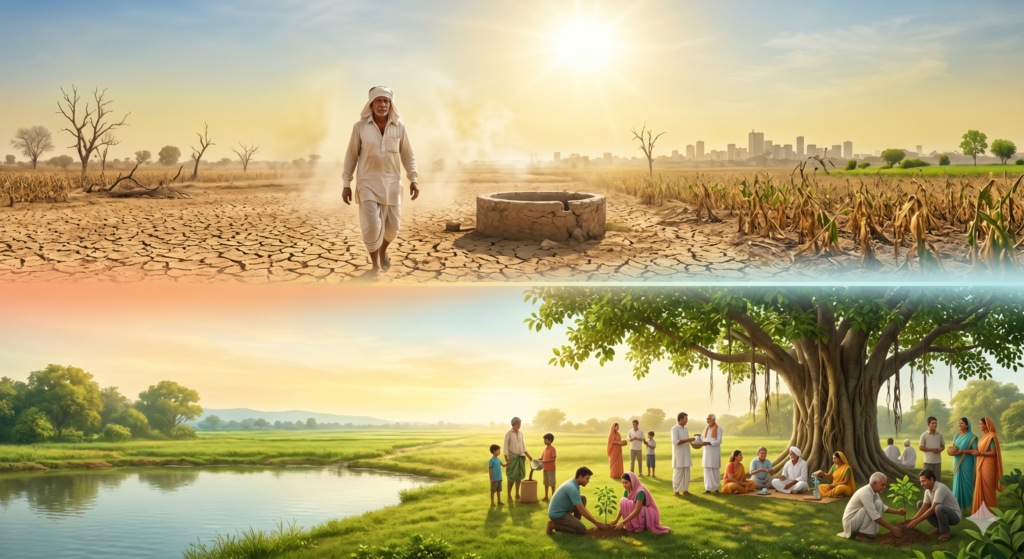
This heatwave is part of a larger pattern of extreme climate events:
- Rising global temperatures
- Erratic rainfall patterns
- Increased drought frequency
India’s dependence on the monsoon makes these changes especially dangerous.
Also Read: Climate Change Solutions: Climate Change Has Become a Serious Concern for Humanity
Government & Public Response
Authorities across states are taking precautionary measures:
- Schools adjusting timings
- Public advisories issued
- Water distribution systems strengthened
- Hospitals on alert
However, public awareness and individual responsibility remain critical.
The Role of Wars Increasing the Risk of Heatwaves?
Destructive activities such as war significantly harm the environment. Modern studies suggest that global military operations contribute around 5–6% of total greenhouse gas emissions, and the Russia-Ukraine War has generated substantial emissions, with cumulative estimates reaching over 300 million tonnes of CO₂ in four years.
Beyond the immediate environmental challenges, there is a growing call for a spiritual solution to global unrest and climate instability. To bring peace to the world, the Avatar of God Kabir Ji, Saint Rampal Ji Maharaj, is organizing a grand Vishva Shanti Mahaanushthaan on May 1, 2, and 3.
The aim of this gathering is to inspire people to move away from war and violence and adopt peace, harmony, and true spiritual knowledge (Satgyaan) to restore balance to nature.
FAQs on Severe Heatwave in India
Q1. When is the heatwave affecting India in 2026?
Severe heatwave conditions are already active since late April 2026 and are likely to continue into the first week of May, especially in North and Central India.
Q2. Which states are most affected by the heatwave?
Delhi, Uttar Pradesh, Haryana, Rajasthan, and Madhya Pradesh are among the most affected states.
Q3. What temperature is considered a heatwave in India?
According to IMD, a heatwave is declared when the maximum temperature reaches 40°C or more in the plains and/or is 4.5°C or more above normal. Severe heatwave is declared at 47°C or higher.
Q4. How can we stay safe during a heatwave?
Stay hydrated, avoid direct sunlight, wear light clothes, and remain indoors during peak hours.
Q5. Is climate change responsible for heatwaves in India?
Yes, climate change is increasing the frequency and intensity of heatwaves in India.