


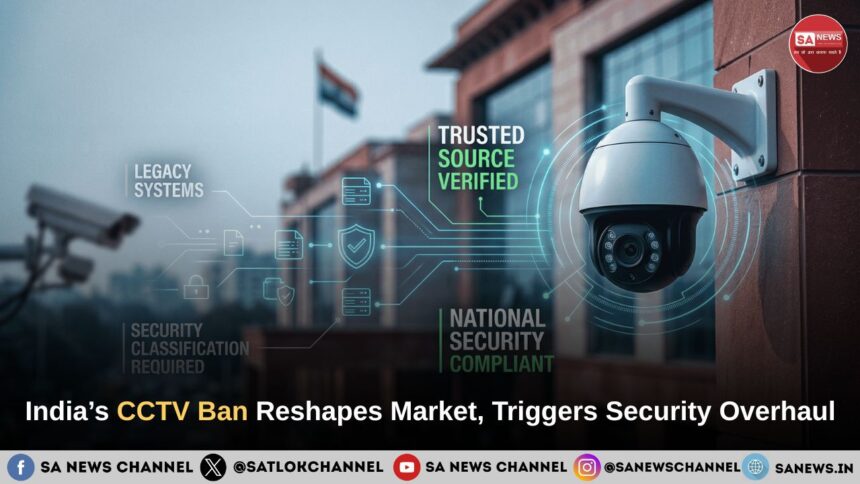
India’s decision to ban non-certified, internet-connected CCTV cameras is reshaping both the country’s surveillance ecosystem and its domestic manufacturing landscape. The move, driven by concerns over national security and data control, has led to a sharp decline in Chinese brands while boosting Indian companies and select global players. Simultaneously, authorities in Delhi have begun removing Chinese-origin cameras installed during previous years, while markets in Hyderabad are witnessing disruptions in supply, pricing, and consumer demand. The policy is triggering a structural shift across public infrastructure and private trade.
- Key Takeaways: India CCTV Ban and Market Shift
- Government Ban Alters India’s CCTV Landscape
- Domestic Companies Expand Market Share
- Sharp Decline of Chinese Brands
- Delhi Begins Phased Removal of Chinese Cameras
- Hyderabad Market Faces Disruption
- Rising Prices and Supply Constraints
- Policy Transition and Ongoing Developments
- Security Priorities Drive Structural Change
- Spiritual Awareness and Inner Security
- FAQs on India CCTV Ban and Market Shift
Key Takeaways: India CCTV Ban and Market Shift
- Ban targets non-certified, internet-connected CCTV cameras
- Driven by security concerns linked to China
- Indian firms like Aditya Infotech gain market share significantly
- Chinese brands such as Hikvision see business decline by nearly 80%
- Delhi begins phased removal of 1.4 lakh Chinese cameras
- Hyderabad markets report price rise (10–30%) and supply disruptions
- Demand shifts strongly toward “Make in India” surveillance products
Government Ban Alters India’s CCTV Landscape
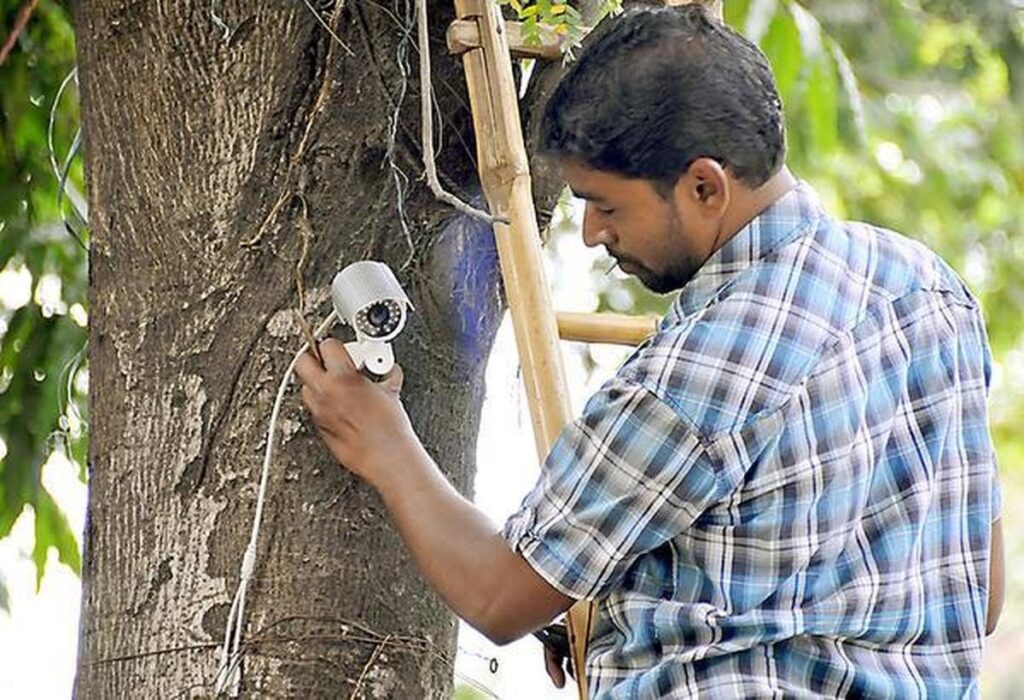
In a move aimed at addressing rising security concerns, the Indian government has banned non-certified, internet-connected CCTV cameras. The decision is linked to apprehensions over sensitive data control and the broader implications of foreign surveillance technology.
The ban is also expected to support domestic manufacturing by reducing reliance on imported systems. With a significant presence already in the Indian market, companies such as Aditya Infotech, Cubo, Hero Group, Prama, Matrix, and Sparsh are likely to benefit from the shift.
Also Read: Chinese AI Model DeepSeek Explained: Innovation Or Overhyped?
Before the ban, Chinese manufacturers held a dominant position in India’s CCTV segment. However, new restrictions on sales and tighter regulations have significantly altered market dynamics.
Domestic Companies Expand Market Share
The policy change has led to a sharp rise in the market presence of Indian companies.
- Aditya Infotech (CP Plus):
- Market share increased from 20–25% to nearly 45–50%
- Emerged as a dominant player post-ban
- Continues to depend on chipset imports from Taiwan, posing supply risks
- Matrix, Prama, and Cubo:
- Combined share rose from ~10% to 32–35%
- Reflects strong growth in domestic manufacturing and adoption
At the same time, global companies such as Bosch, Honeywell, and Axis Communications have also seen gains.
- Their market share increased by around 15%
- Growth is largely driven by government projects and contracts
Sharp Decline of Chinese Brands
Chinese brands, which previously dominated the segment, have experienced a steep fall.
- Hikvision and similar firms earlier held 30–33% market share
- Following the ban:
- Market presence declined sharply
- Overall business contracted by nearly 80%
The restrictions have limited their ability to sell and operate, significantly weakening their position in India’s surveillance industry.
Delhi Begins Phased Removal of Chinese Cameras
In parallel with the national policy shift, Delhi has initiated a large-scale replacement of Chinese-origin CCTV cameras.
Led by Parvesh Sahib Singh, the Public Works Department has started removing 1.4 lakh cameras installed across the city during the tenure of the Aam Aadmi Party.
Installation Breakdown
| Phase | Cameras Installed | Timeline |
| Phase 1 | 1,40,000 | Sep 2020 – Nov 2022 |
| Phase 2 | 1,34,389 | June 2025 – Mar 2026 |
- All Phase 1 cameras were sourced from Hikvision
- Total cameras installed: 2,74,389
Authorities have approved the replacement of 50,000 cameras in the first phase. The process is being carried out gradually to ensure uninterrupted surveillance.
Parvesh Sahib Singh stated that surveillance involves sensitive data control and that earlier installations did not adequately consider long-term security implications. He emphasised that the new systems will meet high data security standards and offer reliable service support.
Hyderabad Market Faces Disruption
The impact of the ban is also visible in Hyderabad, where CCTV trade hubs are experiencing immediate disruption.
Key wholesale markets such as Gujarati Galli (Koti) and Chenoy Trade Centre (Secunderabad) are witnessing:
- Decline in sales volume
- Accumulation of unsold stock
- Reduced customer footfall
According to traders, the number of available brands has dropped significantly, affecting both supply and choice.
An example from Kimpex Security Solutions shows the scale of disruption:
- Earlier monthly sales: ₹30–40 lakh
- Current unsold stock: ₹15–20 lakh
Brands such as Hikvision, TP-Link, and Dahua Technology were previously sold in large volumes, but their availability has sharply declined.
You May Like: What Is a QR Code and How to Use It Safely: A Complete Guide
Rising Prices and Supply Constraints
The transition toward Indian brands has also led to pricing and supply challenges.
- Prices of Indian CCTV products have increased by 10–30%
- Example:
- ₹25,000 cameras now cost ₹27,000–₹32,000 or more
Demand for Indian brands, particularly CP Plus, has risen significantly. However, supply shortages have created bottlenecks.
System integrators report:
- Increased pressure due to limited stock
- Growing demand for “Make in India” products
- Rising enquiries for replacing existing Chinese systems
The shift had been gradual, with reduced availability of Chinese cameras over the past 7–8 months before the ban took effect on April 1.
Policy Transition and Ongoing Developments
The broader transition is still unfolding at the policy level.
- Police sources in Hyderabad have not yet received detailed guidelines from the Ministry of Home Affairs
- Discussions are ongoing regarding system replacements
- Enforcement measures may include penalties for selling restricted CCTV products
Hyderabad’s surveillance expansion, including initiatives like Nenu Saitam, had already led to the installation of over one lakh cameras, making the transition more complex.
Security Priorities Drive Structural Change
India’s CCTV policy shift reflects a broader focus on national security, data protection, and technological self-reliance. The phased removal of Chinese-origin systems and the rise of domestic alternatives indicate a long-term restructuring of the surveillance ecosystem.
While the transition is creating short-term disruptions in pricing, supply, and trade, it is simultaneously strengthening domestic manufacturing capabilities and aligning infrastructure with higher security standards.
Spiritual Awareness and Inner Security
Beyond physical and technological security, the idea of inner awareness also holds relevance in human life. Many spiritual teachings emphasise that just as systems require protection and correct oversight, individuals too must reflect on the direction of their lives.
According to the teachings of Tatvdarshi Sant Rampal Ji Maharaj, understanding the true purpose of life and seeking proper guidance is essential. He explains that human life is precious and rare, and should not be spent without awareness. His Knowledge encourages individuals to focus on inner growth, responsibility, and conscious decision-making.
For more information visit our
Website:www.jagatgururampalji.org
YouTube: Sant Rampal Ji Maharaj
Facebook: Spiritual Leader Saint Rampal Ji
X (Twitter): @SaintRampalJiM
FAQs on India CCTV Ban and Market Shift
1. Why did India ban certain CCTV cameras?
The ban targets non-certified, internet-connected cameras due to concerns over national security and sensitive data control.
2. Which companies benefited from the ban?
Indian firms like Aditya Infotech (CP Plus), Matrix, Prama, and Cubo gained significant market share.
3. What happened to Chinese CCTV brands?
Their market share declined sharply, with overall business contracting by nearly 80%.
4. What action is being taken in Delhi?
Authorities are removing 1.4 lakh Chinese-origin cameras and replacing them with secure systems.
5. How has Hyderabad’s market been affected?
The market faces price increases, unsold stock, reduced sales, and supply shortages after the ban.