


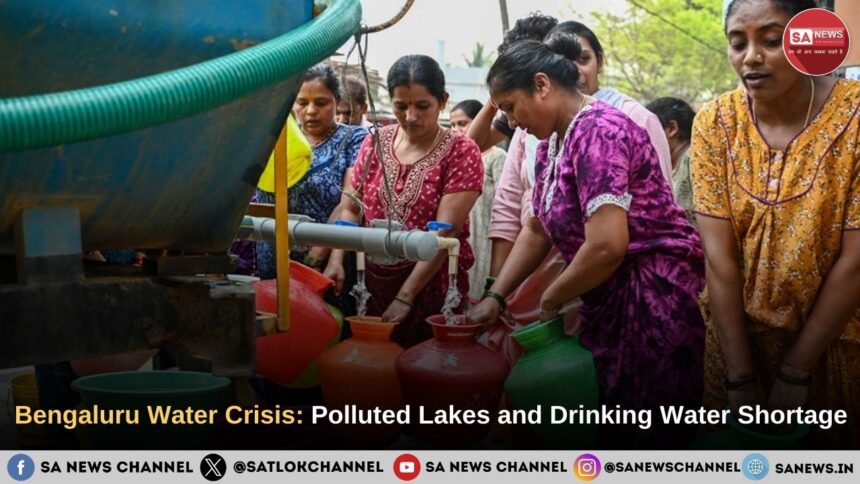
Bengaluru Water Crisis: Bengaluru, often called India’s Silicon Valley, is running out of clean water. The city that once boasted perfect weather and scenic lakes now finds itself battling a water crisis. Pollution has overtaken its lakes, and people are struggling to find safe drinking water. It’s a problem that’s worrying everyone—from families and local experts to government officials.
Just look at Bellandur Lake or Varthur Lake. They used to support life and supply water. Now, they’re choked with sewage, chemicals, and that infamous toxic foam. For many neighborhoods, this means taps run dry or only deliver dirty, unsafe water.
How Did Bengaluru Get Here?
Believe it or not, Bengaluru once had over a thousand lakes, all built to catch rain and keep groundwater healthy. These lakes worked together, storing water and feeding the city’s wells and farms. But things changed fast. As the city exploded with tech companies, apartments, and malls, these old lake systems took a hit.
Here’s what happened:
- The population soared and so did water use.
- IT parks and new housing popped up everywhere.
- Developers blocked or built over the natural channels linking lakes.
- Sewage started flowing straight into the water.
- Pretty soon, the lakes became dumping grounds. Pollution wiped out fish, poisoned the water, and left the city with a massive clean water problem.
Why Is There No Safe Water?
The whole mess comes down to a few big issues:
- Sewage: Tons of raw sewage pour into the lakes every day. This breeds bacteria and toxins—nobody wants to drink that.
- Industrial runoff: Factories and city streets send chemicals and heavy metals into the water, making things worse.
- Dependence on water tankers: Because the lakes and wells are polluted or dry, people rely on private tankers. These often pull groundwater illegally from nearby villages, creating even more water stress.
- Falling groundwater: With lakes trashed, they can’t recharge the aquifers. Borewells are drying up, especially in the summer.
How Are People Coping?
This crisis hits daily life hard:
- Apartment buildings get water for just a few hours.
- Tanker water costs a fortune.
- Contaminated water brings health risks.
- Poorer neighborhoods get hit the hardest.
- Middle-class families now spend a chunk of their income just on water. Some people keep tanks at home, scared that the supply will suddenly stop.
What About the Environment?
The lakes are suffering too:
- Fish and birds are gone.
- Bellandur Lake’s toxic foam has even caught fire.
- A foul smell hangs over whole neighborhoods.
- Wetlands are disappearing.
- With these lakes dying off, the city loses biodiversity and its natural defenses against heat. It’s getting hotter, and that’s not helping anyone.
Is the Government Doing Anything?
Officials have tried a few things:
- They’ve built some sewage treatment plants.
- They’ve cleared out some illegal buildings on lake land.
- They’ve started lake restoration projects.
- They’re telling builders to add rainwater harvesting.
- But progress is slow. Experts keep saying Bengaluru needs tougher enforcement, real penalties for polluters, and smarter city planning.
How Do We Fix This?
There’s no quick fix, but some steps can turn things around:
- Clean up and restore the lakes so they can recharge groundwater.
- Treat every drop of sewage before it hits any water body.
- Make rainwater harvesting mandatory—don’t just talk about it.
- Get everyone involved, from residents to businesses, in saving water and protecting lakes.
- Plan new developments with nature in mind—don’t build over drains or lakes.
Lessons for Other Cities
Bengaluru’s crisis should be a wake-up call for every fast-growing city in India. If you build without caring for the environment, you end up with water shortages and dying ecosystems. Cities need to protect wetlands, keep a close watch on pollution, spread out water management, and get communities excited about saving their lakes. If not, Bengaluru’s story will repeat itself, one city at a time.
Conclusion
The Bengaluru lake crisis highlights a painful reality: even India’s most advanced technology hub is not immune to environmental neglect. The shortage of potable water in Bengaluru is not just a seasonal issue—it is the result of years of unchecked pollution and poor planning.
Restoring lakes like Bellandur and Varthur is not only about beautification. It is about ensuring drinking water security, protecting public health, and safeguarding the city’s future.
If immediate action is not taken, the Silicon Valley of India may face even deeper water challenges in the coming years. Sustainable solutions, responsible governance, and active citizen participation are the only way forward.