

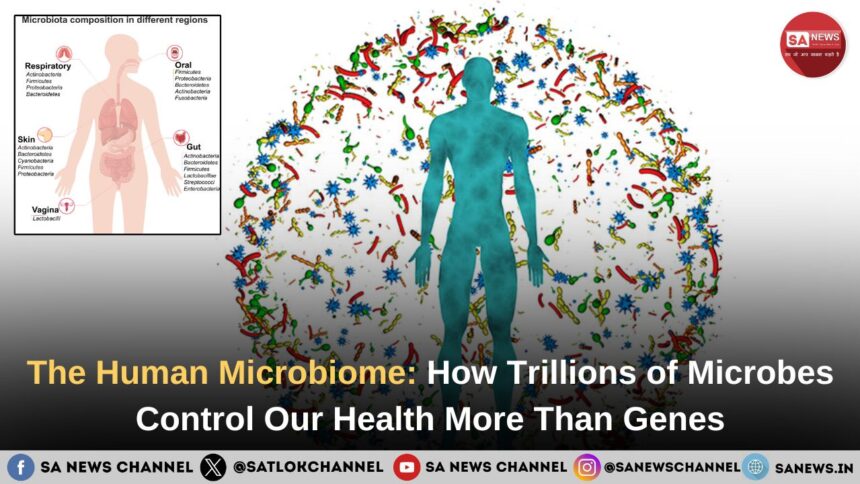
Human microbiomes refers to the complex ecosystems of trillions of microorganisms that inhabit every surface and cavity of the human body. They consist of bacteria, fungi, viruses, archaea and protozoa, outnumbering human cells and producing 100 times more generic material when compared to human cells.
- What Are Human Microbiomes? (Your Body’s Microbial Universe)
- Human Microbiomes by Body Site: Gut, Skin, and Beyond
- Health Powers of Human Microbiomes: Immunity, Digestion and Beyond
- 7 Key Factors Shaping Human Microbiomes
- Human Microbiomes Gone Wrong: Dysbiosis Risks Explained
- Probiotics vs Prebiotics for Human Microbiomes
- 10 Tips to Boost Human Microbiomes
- As Microbiomes Control Our Health, Our Actions Control Our Future
The human microbiomes are primarily present in greater concentration in the gut with other microbial communities also inhabiting other regions of the body including skin, lungs, mouth, vagina and nasal passages. The human microbiomes, collectively referred to as the “second genome”, perform important functions like fermentation of undigested carbohydrates, synthesizing vitamins such as B12 and K, helps train the immune system, and also synthesises metabolites which regulate inflammation and metabolism.
Microbial imbalance or Dysbiosis can affect the overall well-being of humans. It can cause health problems such as obesity, diabetes, allergies, inflammatory bowel disease and even neurological disorders. Continue with the article to know the 10 tips to boost microbiomes.
What Are Human Microbiomes? (Your Body’s Microbial Universe)
Human microbiomes refers to the microorganisms (microbiota) such as bacteria (e.g., from phyla Bacteroidetes, Firmicutes, Actinobacteria, Proteobacteria), fungi, archaea, viruses and protozoa along with their genomes (metagenome) inhabiting various sites of the human body. These microbes are present in larger concentrations in the human body and they outnumber the human cells by a factor of 10 to 1.
Human Microbiomes by Body Site: Gut, Skin, and Beyond
The Human microbiomes are present in or on body surfaces and cavities, including the gut, mouth, lungs, nasal passage and vagina.
Gut Microbiome
The gut hosts the greatest and most diverse concentration of the microbiome. It consists of about 10^¹³ – 10^¹⁴ microorganisms. These include bacterial cells from Bacteroidates (e.g., Prevotella copri, Bacteroides fragilis), Firmicutes (e.g., Faecalibacterium prausnitzii, Roseburia), along with Proteobacteria, Actinobacteria, bacteriophages and methanogenic archaea (Methanobrevibacter smithii) present in the colon.
Skin Microbiome
Divided by niche, skin microbiome are subdivided into:
- Sebaceous (oily): Includes facial and back areas. Major microorganisms such as Cutibacterium acnes (Propionibacterium), Staphylococcus epidermidis, and fungi Malassezia are present in their area..
- Moist (flexures): Includes armpits and groin areas. Major microorganisms like Corynebacterium, Staphylococcus aureus and Streptococcus are present in these sites.
- Dry (extremities): Includes forearms and hands. Major microorganisms including Proteobacteria like Acinetobacter, Flavobacterium; feet host Aspergillus, Rhodotorula fungi also inhabit these sites.
Oral Microbiome
Our mouth host about 700 species in biofilms, mainly including Streptococcus salivarius, Actinomyces, S. mutans, Veillonella parvula, and Fusobacterium nucleatum across supragingival plague, gingival crevices and tongue.
Other Sites
Microbiomes exist in all the other body sites, which include
- Nasal: Staphylococcus aureus, Dolosigranulum pigrum and Corynebacterium
- Lungs: Veillonella, Streptococcus and low- biomass Prevotella
- Vagina: Lactobacillus and L. iners.
Health Powers of Human Microbiomes: Immunity, Digestion and Beyond
Human microbiomes play the role of “second genome” by helping in the key processes such as digestion, metabolism, immunity and neurological functions.
Digestion Powers
- Digests indigestible fibers into short -chain fatty acids (SCFAs) such as butyrate, regulating appetite hormones and fueling colon cells.
- Deconjugate bile acids to aid fat absorption and cholesterol homeostasis.
- Production of substances such as vitamin K, B12, folate and biotin , which cannot be produced from human enzymes.
Metabolic Powers
- Synthesis of amino acids and detoxification of xenobiotics.
- Regulation of insulin/ glucose sensitivity through SCFA-GPR/143 receptors.
- Plays an important role in lipid metabolism and prevents obesity.
Immunity Powers
- Synthesises antimicrobial peptides, lactic acid, and bacteriocins to block adhesion of the bacteria.
- Modulates cytokinin balance via metabolite signalling
- Train immune tolerance through the secretory IgA production and T-cells.
Neurological Powers
- Helps reduce neuroinflammation, through vagus nerve signaling
- Synthesises neurotransmitters such as GABA and serotonin via gut-brain axis.
7 Key Factors Shaping Human Microbiomes
The seven factors governing human microbiome composition, resilience and diversity include:
- Genetics: Host genes such as FUT2 and LCT (lactase) affect mucus/ glycan compatibility with certain microbes.
- Birth Mode: Several microbes transferred from the maternal body including Lactobacillus from maternal canal and Staphylococcus from C-section delivery, have effects which last for years.
- Breastfeeding: Microbes such as Bifidobacterium infantis receive nourishment through milk oligosachharides.
- Age: Infants begin with aerobes, adults attain a peak diversity (nearly 1000 species) while elderly have less anaerobes.
- Antibiotics: Broad-spectrum drugs eliminate taxa by 30%+.
- Diet: Certain fiber-rich plants hikes Bacteroidetes, high-fat meals boost Firmicutes, undressing the ratios within 24-48 hours.
- Lifestyle/Geography: Urban environment reduces diversity, exposure to rural/pet increases environment strains.
Human Microbiomes Gone Wrong: Dysbiosis Risks Explained
When the delicate balance of the microorganisms in the human microbiomes, especially in the gut, is disrupted leading to an increase in the harmful bacteria or loss of beneficial ones, the condition is known as Dysbiosis. This microbial imbalance can lead to various health issues such as bloating, diarrhoea, abdominal pain, constipation as well as systemic effects including anxiety, depression, chronic fatigue and infections and often lead to bigger issues such as obesity, inflammatory bowel disease, and even metabolic disorders.
Probiotics vs Prebiotics for Human Microbiomes
Probiotics and prebiotics refers to the different methods to strengthen and nurture the human microbiome during dysbiosis.
| Aspect | Probiotics | Prebiotics |
| Definition | Live beneficial microbes such as Lactobacillus, Bifidobacterium etc.added to food/supplements. | Non- digestible fibers including inulin, FOS, GOS etc that feed the existing bacteria. |
| Composition | Viable fungal/ bacterial cells. | Carbohydrates which are not digested by the small intestine. |
| Mechanism | Transient colonisation; produce antimicrobials, compete for adhesionsites, modulate immunity. | Selective substrate increasing SCFA production, Lactobacillus/Bifidobacterium growth. |
| Duration | Short term requiring continuous intake | Long term, it stimulates endogenous microbiota sustainably. |
| Sources | Yogurt, kefir, supplements | Onions, banana, garlic , whole grains, chicory root. |
10 Tips to Boost Human Microbiomes
There are ways by which the human microbiome can be boosted. This includes:
- Stay Hydrated: Drinking plenty of water supports metabolism and microbial balance.
- Eat fiber-rich foods: Food like whole grains, veggies, beans and fruits help feed gut bacteria with probiotics.
- Add Fermented foods: Fermented foods such as kimchi, kefir, yogurt and sauerkraut work as natural probiotics.
- Exercise regularly: Exercise helps improve gut motility and diversity.
- Manage stress: Activities such as meditation, yoga, or even a sufficient night sleep can help your microbes grow.
- Cut down processed sugar: Limit junk and processed foods that feed bad bacteria.
- Try new veggies: For rich microbiome diversity, try new veggies.
- Chew thoroughly: Ensure proper breakdown of food to help microbes perform their task.
- Avoid unnecessary antibiotics: Use only when prescribed to prevent imbalance.
- Consider probiotics: If needed, go for a quality supplement.
Also read: World Vegan Day: Know Why Turning Vegan Is Important
As Microbiomes Control Our Health, Our Actions Control Our Future
Like microbiomes control our health more than our genes. In the same way, our actions decide our destiny. People busy earning name, fame, and money lose the gift of human life and often feel helpless when they leave their life.
We can have the knowledge to perform good actions by the worship of Supreme God Kabir Saheb, by taking initiation from Saint Rampal Ji Maharaj. This enables us to perform actions that benefit both our present life and pave the way for salvation. For more information, visit Saint Rampal Ji Maharaj YouTube Channel.