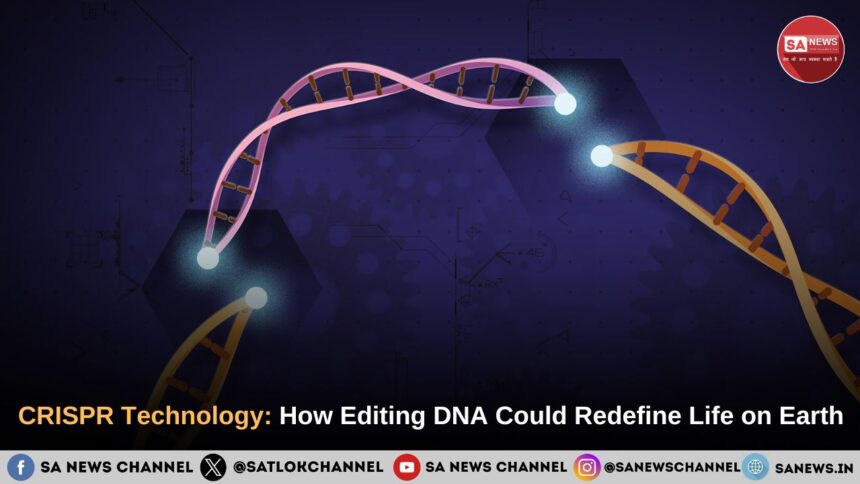
In the last decade, a breakthrough in genetic science has captured the world’s imagination and challenged the boundaries of what was once considered science fiction. This technology is called CRISPR, and it has rapidly evolved into one of the most powerful tools in modern biology. At its core, CRISPR offers the ability to edit DNA, the fundamental code of life, with unprecedented precision, speed, and simplicity. But what exactly is CRISPR? How does it work? And how could it transform medicine, agriculture, industry, and even life on Earth as we know it?
- 1. The Basics: What is CRISPR?
- 2. How CRISPR Works: A Step-By-Step Look
- 3. Real-World Applications That Are Already Changing Lives
- a. Curing Genetic Diseases
- b. Revolutionizing Cardiovascular and Common Diseases
- c. Precision Medicine and Cancer Therapy
- d. Agriculture: Feeding a Growing Planet
- e. Environmental and Ecological Uses
- 4. Ethical and Safety Challenges
- 5. The Future: Beyond Editing to Designing Life
- 6. A World Transformed?
- Science, Creation, and a Deeper Spiritual Perspective
In this article, we will explore the origins, mechanisms, transformative applications, current real-world successes, limitations, ethical concerns, and future potentials of CRISPR technology.
1. The Basics: What is CRISPR?
At the simplest level, CRISPR stands for Clustered Regularly Interspaced Short Palindromic Repeats, a term that refers to naturally occurring patterns in the DNA of bacteria and archaea — simple single-celled organisms. These sequences serve a surprising purpose: they act as a kind of immune memory system for microbes, enabling them to recognize and defend against invading viruses by capturing fragments of viral DNA and “remembering” them for future defense.
CRISPR itself is not a drug or a machine; it is a genetic mechanism. Scientists discovered that this natural system can be repurposed as a gene-editing tool by combining the CRISPR DNA recognition system with a “molecular scissors” enzyme such as Cas9. When programmed with a custom RNA guide, this CRISPR-Cas system can locate almost any specific sequence in an organism’s genome and cut it, opening the door to editing that sequence.
Once the DNA is cut, the cell’s natural repair machinery takes over and can be directed to delete, correct, or insert genetic sequences. Because this process is relatively straightforward compared to earlier gene-editing methods, CRISPR has dramatically lowered the barriers to genetic manipulation.
2. How CRISPR Works: A Step-By-Step Look
To understand why CRISPR is so revolutionary, consider what happens during a typical edit:
- Target Creation: Scientists design a piece of “guide RNA” that matches the DNA sequence they want to modify.
- Guide + Scissors: This guide RNA is combined with a CRISPR-associated enzyme (like Cas9), which acts like molecular scissors.
- Recognition: The guide RNA leads Cas9 to the exact spot in the DNA sequence.
- Cut and Repair: Cas9 makes a precise cut in the DNA, and the cell’s own repair mechanisms fix the break. Scientists can influence this process to add, delete, or alter genes.
This elegant mechanism, target recognition + cut + guided repair, is what makes CRISPR so valuable for research and therapeutic development.
3. Real-World Applications That Are Already Changing Lives
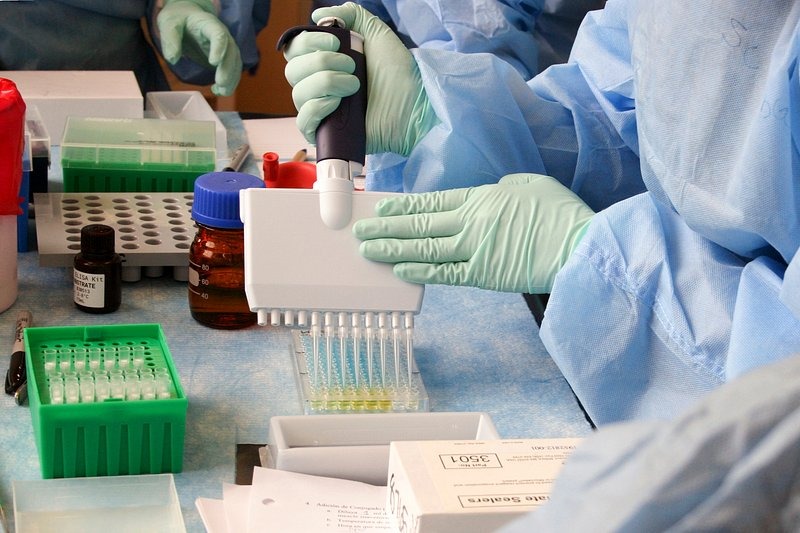
Although CRISPR’s potential gets a lot of futuristic attention, real progress is happening now in laboratories and clinics across the world. Here are some of the most impactful applications:
a. Curing Genetic Diseases
Genetic diseases are caused by errors in DNA that can be inherited or arise spontaneously. Traditionally, such diseases have been difficult or impossible to cure because treatments could only manage symptoms. CRISPR changes this by targeting the root genetic cause.
- Sickle Cell and Beta-Thalassemia: In recent years, CRISPR-based therapies have been approved and deployed to treat these severe blood disorders. Patients who once faced a lifetime of pain and medical intervention are now experiencing lasting remission.
- Personalized Gene Correction: In 2025, clinicians successfully treated a nine-month-old baby with a rare and life-threatening metabolic disorder using personalized CRISPR therapy, eliminating the need for a liver transplant and offering a potential template for treating other rare genetic diseases.
These breakthroughs represent a new class of curative medicine that addresses the cause of genetic disease rather than merely alleviating symptoms.
b. Revolutionizing Cardiovascular and Common Diseases
While CRISPR’s earliest successes focused on rare conditions, recent clinical research is moving into common diseases:
- Cholesterol Reduction: A clinical trial showed that a one-time CRISPR treatment could cut bad cholesterol levels by half in patients with dangerously high lipid levels by targeting a gene called ANGPTL3, suggesting a future where common heart disease treatments might be permanent rather than lifelong.
- Heart Disease and Gene Targets: Deals like pharmaceutical giant Eli Lilly’s acquisition of a CRISPR biotech firm underscore the commercial and medical promise of gene editing to address cardiovascular health at the genetic level.
This signals a move from rare diseases to common global health challenges.
c. Precision Medicine and Cancer Therapy
Cancer remains one of humanity’s most difficult medical challenges, but CRISPR has opened new doors:
- Immune System Engineering: CRISPR is being used to modify a patient’s immune T-cells so that they can better recognize and attack cancer cells, leading to promising immunotherapy approaches.
- Targeted Treatments: By identifying and altering genes that influence cancer’s progression, CRISPR enables highly personalized treatment strategies that could significantly improve survival rates.
d. Agriculture: Feeding a Growing Planet
The ability to edit genes is not limited to humans. CRISPR is being harnessed to improve agriculture in ways that could transform global food systems:
- Climate-Resilient Crops: Scientists are developing wheat, rice, and other crops that can withstand drought, pests, disease, and temperature extremes, helping safeguard food security in a warming world.
- Improved Nutrition: Gene edits can increase nutrient levels in staple crops, addressing malnutrition in vulnerable populations.
- Reduced Pesticides: CRISPR-derived crops that naturally resist pests could lower reliance on chemical pesticides.
In countries like India and beyond, agricultural institutes are already using CRISPR to create plants with stronger stems and other survival traits, demonstrating practical agricultural innovation in the field.
e. Environmental and Ecological Uses
CRISPR has potential applications beyond medicine and food:
- Disease-Resistant Mosquitoes: Gene drives using CRISPR could reduce the transmission of malaria and dengue by making mosquito populations unable to carry disease.
- Biofuel Production: Engineered microbes or plants might one day produce biofuels more efficiently, helping reduce reliance on fossil fuels.
4. Ethical and Safety Challenges
With transformative power comes serious responsibility. CRISPR raises critical ethical questions that must be addressed:
a. Human Germline Editing
Editing genes in embryos or reproductive cells could permanently alter the human gene pool. While the therapeutic goal to eliminate severe genetic disease is inspiring, altering future generations raises deep ethical and societal concerns.
Governments and scientific bodies around the world are still debating how to regulate such uses and whether some should be prohibited.
b. “Designer Babies” and Inequality
If gene editing becomes available for non-medical enhancements, such as increased intelligence or athletic ability, it could create inequality between genetically enhanced “haves” and “have-nots.” Such a divide could exacerbate social inequities and redefine what it means to be human.
c. Off-Target Effects and Safety
CRISPR doesn’t always work perfectly. Sometimes it cuts DNA in unintended places, potentially causing harmful effects. This off-target risk remains a leading area of research, as scientists seek to make editing safer and more precise.
5. The Future: Beyond Editing to Designing Life
The pace of CRISPR research shows no sign of slowing. Advances being explored today include:
- More precise tools (e.g., base editors, prime editors).
- AI-assisted guide RNA design to minimize off-target risks.
- Scalable CRISPR diagnostics built into handheld devices for rapid disease detection.
Researchers are also investigating the possibility of using CRISPR for ecological restoration, such as removing invasive species or reviving lost genetic traits, although these remain controversial and complex.
6. A World Transformed?
CRISPR technology is still young, but its early real-world applications already illustrate a remarkable potential:
- People once destined for lifelong disability are now experiencing lasting relief.
- Common diseases might soon be treated with single-visit gene therapies rather than chronic medications.
- Crops adapted for climate resilience may help ensure global food security.
- New tools offer rapid, accurate pathogen detection that could change how we respond to outbreaks.
From curing genetic disease to reshaping agriculture and environmental science, CRISPR is poised to reshape life itself.
The world is indeed entering a new era, one where humans have the tools not just to understand life at its deepest genetic levels but to edit it. With careful ethical governance and responsible scientific collaboration, CRISPR has the potential to help tackle some of the most pressing challenges of the 21st century, from health and food security to climate resilience and beyond.
Also Read: Inside Jennifer Doudna’s CRISPR Legacy: The Discovery That Redefined Science and its Limits
Science, Creation, and a Deeper Spiritual Perspective
As CRISPR technology advances, it not only raises scientific and ethical questions but also invites reflection on a deeper issue: the origin of life itself. While modern science seeks to understand and edit the biological code of living beings, spiritual wisdom addresses a more fundamental question, who created life and nature in their original form?
According to the teachings of Kabir Saheb Ji, the physical universe in which genetic disorders, disease, aging, and death exist is not the ultimate or perfect creation. Kabir Saheb Ji explains that beyond this temporary material world lies Satlok, the eternal and imperishable realm created directly by the Supreme God, Kabir Saheb Ji. In Satlok, nature exists in complete harmony, free from decay, genetic flaws, or suffering.
From this spiritual viewpoint, the very need for technologies like CRISPR highlights the imperfection of the material world. Genetic mutations, inherited disorders, and biological limitations arise because life here operates under transient natural laws. CRISPR offers a powerful means to reduce suffering within this system, and such efforts represent compassion and responsibility. However, Kabir Saheb Ji teaches that material solutions, no matter how advanced, can only provide temporary relief.
In Satlok, creation does not require correction. The bodies there are divine, eternal, and not governed by DNA errors or degeneration. Kabir Saheb Ji explains that the original human form was perfect, but when souls entered the material realm, they became bound by karma, biological limitations, and the cycle of repeated birth and death. From this perspective, CRISPR can alter genes, but it cannot free the soul from this cycle.
This understanding does not reject science. Rather, it places science in context. CRISPR works within nature; Kabir Saheb Ji is the Creator of nature itself. Scientists may edit genetic sequences, but the laws governing genes, cells, and life originate from a higher creative order. Technology can heal bodies, but it cannot grant permanence, immortality, or complete freedom from suffering.
Seen this way, CRISPR becomes a tool for easing pain in a temporary world, not a replacement for divine creation. Spiritual knowledge, as described by Kabir Saheb Ji, reveals that true completeness lies not in perfecting the material body, but in understanding the purpose of human life and attaining liberation by returning to Satlok.
Thus, while CRISPR has the potential to change the world at a biological level, spiritual wisdom explains why change is needed at all. Science may reshape life’s code, but spirituality points toward the ultimate goal, freedom from suffering altogether.
To know more about spiritual knowledge please download the free app Sant Rampal Ji Maharaj from your mobile’s play store.
FAQs on CRISPR Technology
1. What does CRISPR stand for and why is it important?
CRISPR stands for Clustered Regularly Interspaced Short Palindromic Repeats. It is important because it allows scientists to edit DNA with high precision, speed, and relatively low cost, making genetic research and medical treatments more accessible and effective than earlier methods.
2. Is CRISPR already being used in medical treatments?
Yes, CRISPR is already being used in approved therapies, particularly for genetic blood disorders like sickle cell disease and beta-thalassemia. Clinical trials are also underway for cancer, heart disease, and rare inherited conditions.
3. How is CRISPR different from earlier gene-editing techniques?
Earlier gene-editing methods were expensive, slow, and less accurate. CRISPR is faster, more precise, easier to design, and can target multiple genes at once, which has significantly accelerated genetic research and therapeutic development.
4. Are CRISPR-edited foods safe to eat?
CRISPR-edited crops undergo safety assessments before approval. Unlike traditional GMOs, CRISPR often makes small, targeted changes that could also occur naturally, which is why many regulatory bodies treat them differently from older genetic modification techniques.
5. What are the main risks or limitations of CRISPR technology?
The main challenges include unintended genetic changes (off-target effects), ethical concerns around human embryo editing, long-term safety monitoring, and ensuring fair access to CRISPR-based treatments as the technology develops.